
6 min read
1021 words
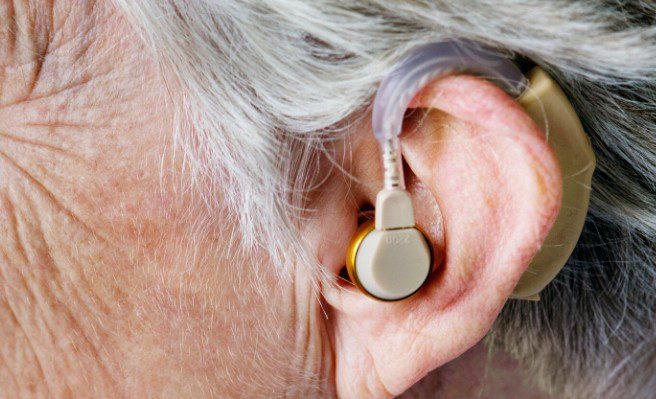
Hearing aids are an adjustment, especially when you’re using them for the first time. It’s a process that requires a lot of patience, practice, and above all, consistent use. Simply using them on an occasion is not going to help you adjust to the feeling and audible performance of the hearing aids. Many make the mistake of giving up before they’ve even given the hearing aids a fair chance. With that being said, some useful steps help when adjusting to your new hearing. We’ll take a look today at what useful steps are important to implement when adjusting to new hearing aids as a first-time user.
Begin your journey in quiet environments
It’s helpful to start wearing your hearing aids in quieter environments. Trying to get used to them for the first time in a noisy bar or amongst a room full of family members is not going to bode well for your first interactions using your hearing aids.
Begin by wearing your hearing aids at home. That’s the best place to start, and it’s where you can slowly get used to the everyday sounds, whether that be the humming of the fridge to the clock on your wall.
These are sounds that you’ve probably not heard in a long time, so they can certainly affect your auditory experience when wearing hearing aids for the first time. It’s natural to feel overwhelmed with all of the noise in the beginning, so give yourself some grace.
Increase wearing time gradually
It might be tempting to wear your hearing aids all of the time; however, it’s a good idea to wear the hearing aids gradually, rather than trying to wear them every single day.
The reason for this is that the sudden appearance of different sounds you’ve never heard before is likely to be overstimulating if endured every day. You also need to get used to the hearing aids being in or around your ears, depending on what hearing aid devices you choose.
Wearing your hearing aids for a few hours for the first day and then gradually increasing the duration each day will make a big difference to how well you adapt to them. Take breaks if you’re feeling fatigued or overwhelmed at any point. This will help your brain adjust without feeling exhausted or drained at the end of the day.
Practice one-on-one conversations
Before stepping into noisy environments, it’s helpful to practice your conversations one-on-one in a quiet setting like your home. Get a willing family member or friend to pop round regularly so that you can have them speak clearly, facing you, so that you can use both your hearing aids and visual cues to help comprehension.
Reading aloud or talking to your pet if you have one can also help you get used to the sound of your own voice.
Introduce varied environments slowly
Once you’re comfortable with using your hearing aids regularly within the home, it might be time to start venturing out further afield. More complex sound environments, like a park or a quiet cafe, might be appropriate transition locations.
Try to avoid any noisy environments like restaurants or busy streets or city environments. At this point, you still want to build up your tolerance to sounds, and so just getting out into your local neighborhood might be more than enough to get you more familiar with the sounds of everyday life.
Use assistive listening devices
It’s worth looking at what devices around your home and in public spaces have assistive listening capabilities. If your hearing aids are compatible, you can use accessories to stream the sound to your hearing aids directly from your TV, your mobile phone, or other devices.
That can make it a lot more enjoyable and hassle-free when it comes to connecting with your loved ones or watching your favorite television show.
When you’re out in public, there may be ‘hearing loops’ available where audio is directly sent to your hearing aids.
How to care for your new hearing aids
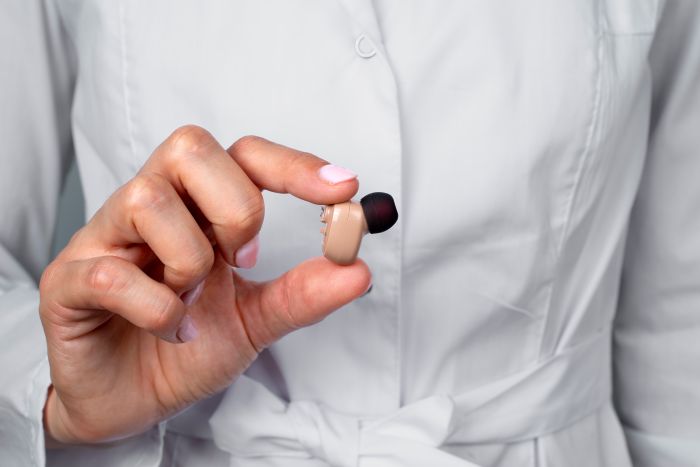
Owning hearing aids for the first time is an experience, and one that you’ll want to be prepared for to get the most out of them. With that in mind, here are some essential care tips and professional support you might find useful when looking after your hearing aids.
Establish a routine
First and foremost, be sure to establish a routine. Make a habit of putting your hearing aids in the same place every night and making sure to clean them regularly, as you’ve been instructed by your audiologist. Proper handling and maintenance are detrimental to device longevity and performance.
You’re likely spending a sizeable amount on these hearing devices, so a routine will help keep your devices in good condition for as long as possible.
Keep a journal
A journal is worthwhile having at your bedside so that you can note down any challenging situations where you’ve struggled with your hearing aids or with listening in general. This feedback is crucial for your audiologist to fine-tune the settings so they work better for you.
Attend follow-up appointments
When you first have your hearing aids, you’ll likely be given a follow-up schedule by your audiologist. They will be able to make adjustments as you trial out the hearing aids in everyday life.
It’s important to keep up with these follow-up appointments so that you ensure the fit remains comfortable and the settings are optimized exactly to your hearing needs.
Be realistic with your expectations
Hearing aids improve your ability to hear, but it’s important to know that they will not restore perfect hearing. Focus on the improvements, be patient with the process, and be sure to reach out to your hearing care professional or audiologist if you have any issues with your hearing aids or, in particular, any pain.
Adjusting to new hearing aids can prove challenging, but be persistent in your efforts, and it’ll do a great deal of good for your hearing in the future.
 Jennifer Williams
  Kim Monroe
  Hailey Reynolds