
7 min read
1268 words
The foundation of good health begins with the food we eat every day. Nutrition is more than just fuel; it’s your body’s natural defense against illness, fatigue, and chronic conditions. What we choose to eat directly impacts the strength of our immune system, helping us fight infections, recover faster, and stay energized throughout the day. By developing consistent and balanced healthy eating habits, both children and adults can enjoy a stronger immune response and improved overall wellness. Healthy eating also supports the body’s ability to repair tissues, produce energy, and maintain the stability of vital organs. Understanding the link between nutrition and immunity is essential for those who wish to build a healthier lifestyle from within.
It’s not only about avoiding unhealthy foods but also about nourishing the body with the right nutrients. Vitamins, minerals, and antioxidants all play critical roles in supporting immune cells and maintaining balance in bodily functions. Modern research continues to show that what we eat can either weaken or strengthen our natural defenses. With thoughtful choices, families can create meal plans that encourage wellness, longevity, and resilience. These eating habits are particularly important for children, whose developing bodies rely on proper nutrition to grow and fight infections effectively. Learning how to eat well becomes one of the most valuable skills for maintaining lifelong health.
The Connection Between Nutrition and Immunity
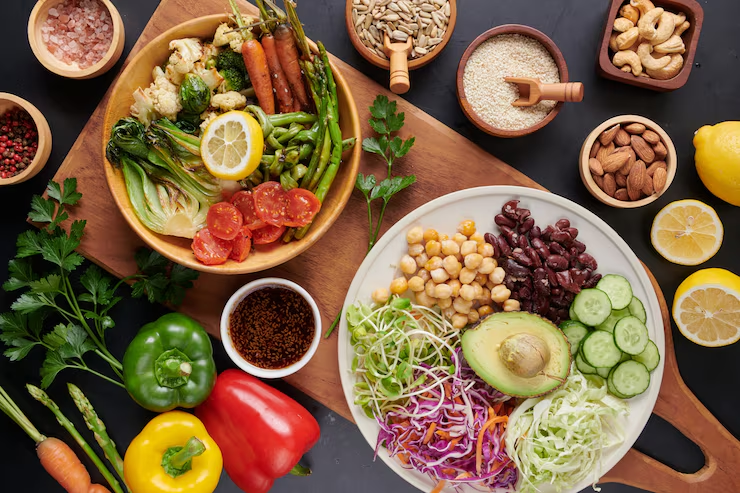
The immune system functions like a complex network, relying on proper nutrition to stay strong and responsive. Nutrients such as vitamin C, zinc, and selenium are key to activating immune cells that defend against harmful bacteria and viruses. A diet rich in fruits, vegetables, whole grains, and lean proteins provides the body with the resources it needs to combat illness naturally. Without these nutrients, the immune response may become sluggish, leaving the body more vulnerable to infections. Balanced meals help ensure that both innate and adaptive immune systems can operate efficiently, protecting against both short-term and long-term health challenges. Consistent healthy eating provides a foundation for the body to remain strong even during periods of stress or illness.
Developing these habits early in life offers a significant advantage in maintaining lifelong wellness. Children who consume a variety of nutrient-dense foods often show fewer signs of fatigue and recover faster from common infections. Likewise, adults who commit to a balanced diet experience better energy levels and stronger resistance to seasonal illnesses. The immune system thrives when given adequate hydration and regular nutrient intake. This consistent supply of vitamins and minerals supports the body’s ability to repair itself and build new cells. When nutrition becomes a daily priority, overall health and immunity naturally improve.
Childhood Nutrition and Long-Term Immune Strength

Early childhood is a critical time for developing both physical and immune health. Children who eat balanced meals are better equipped to handle common infections such as colds or seasonal allergies. Their developing immune systems depend on nutrients like iron, zinc, and vitamin D to grow stronger and more efficient. Encouraging children to enjoy fruits, vegetables, and whole grains establishes healthy habits that often continue into adulthood. Parents can model good behavior by making nutritious foods appealing and involving children in meal preparation. By understanding the impact of food choices early on, children can take an active role in protecting their own health.
In some cases, children may experience conditions that affect their breathing or allergic responses, which can be managed through both medical care and nutrition. A pediatric allergist may recommend specific dietary changes to reduce inflammation and improve tolerance to certain foods. These tailored recommendations help children strengthen their natural defenses while minimizing allergic reactions. Alongside medical support, a consistent diet filled with whole, nutrient-rich ingredients reinforces the immune system. This holistic approach ensures that both diet and treatment work together for better long-term outcomes. By prioritizing balanced meals, parents help their children build the foundation for a healthy, resilient future.
The Role of Professional Guidance in Nutritional Wellness
While general guidelines can help improve diet quality, professional guidance often brings more personalized results. Nutritionists, physicians, and healthcare providers can assess individual needs and recommend specific dietary strategies for improving immunity. For families managing respiratory or allergy-related conditions, collaboration with a pediatric pulmonologist can offer valuable insights into how nutrition affects breathing and energy levels. Medical specialists often emphasize how certain nutrients support lung health, reduce inflammation, and enhance oxygen flow. These combined approaches create a more complete strategy for protecting the immune system and improving overall well-being. Personalized care ensures that each person receives the right support for their unique health goals.
Following professional advice helps individuals identify deficiencies or habits that may be hindering immune performance. For example, some people may require more iron or vitamin C, while others might need to adjust portion sizes or meal timing. Regular checkups provide opportunities to track progress and refine dietary plans. This ongoing guidance keeps patients accountable and motivated, making it easier to maintain healthy habits over time. Building trust with healthcare providers creates a supportive environment for achieving lasting wellness. When nutrition and medical expertise come together, the body’s natural defenses are strengthened from every angle.
Creating a Family Lifestyle That Supports Immunity

Strong immune systems begin at home, where daily food choices and routines shape overall health. Families can work together to make small, meaningful changes such as cooking more meals at home and including more fruits and vegetables in every dish. Planning weekly menus helps ensure balance and variety, making it easier to avoid processed or fast foods. Staying active complements good nutrition by improving circulation and reducing stress, two factors that directly influence immune response. Parents who model positive eating behaviors often inspire children to do the same. Together, these efforts create a home environment where good health naturally flourishes.
Consistency is key to maintaining a lifestyle that supports immunity. Establishing regular mealtimes helps stabilize metabolism and ensures that the body receives steady nourishment throughout the day. Drinking enough water, limiting added sugars, and getting adequate sleep all contribute to stronger defenses. Families should also learn to recognize the difference between occasional treats and everyday nutrition, teaching moderation rather than restriction. Consulting an allergist Long Island patients trust can also help families identify food sensitivities or allergens that may interfere with healthy eating. With awareness and teamwork, families can build habits that promote lifelong vitality and wellness.
In Summary

Healthy eating habits serve as one of the most effective tools for strengthening the body’s natural defenses. Every meal provides an opportunity to nourish the immune system and reinforce resilience against illness. By choosing foods rich in vitamins, minerals, and antioxidants, individuals can help their bodies repair damage, fight infections, and maintain balance. Small, consistent efforts such as replacing sugary snacks with fruit or choosing whole grains over refined flour can have lasting benefits. Nutrition is not about strict diets or temporary fixes but about creating sustainable habits that support long-term health. When we prioritize nourishment, we give our immune systems the strength they need to thrive.
Creating a balanced diet is both a personal and collective effort. Families, healthcare providers, and communities all play a role in encouraging better eating habits. By understanding the powerful connection between food and immunity, people can take meaningful steps toward living healthier lives. The body’s natural defenses are incredibly adaptive, responding positively to each nutrient-rich choice we make. Good nutrition not only protects us from disease but also enhances energy, mood, and overall well-being. A strong immune system begins at the table, and with every mindful bite, we take one step closer to lasting vitality.
 Kim Monroe
  Hailey Reynolds