

5 min read
914 words
Car accidents can happen in an instant, but the recovery process is rarely quick or simple. For many women, the aftermath of a crash brings not only physical injuries but also emotional strain and lifestyle adjustments. Understanding the healing journey is essential to regaining both confidence and well-being.
The Immediate Aftermath: Putting Health First
In the days and weeks following an accident, your body needs time and care to heal. Even if injuries seem minor at first, symptoms such as stiffness, headaches, or fatigue can appear later.
Doctors often recommend rest, pain management, and physical therapy as initial steps. For women balancing work, family, and daily responsibilities, this can feel overwhelming, but prioritizing your health early on prevents long-term complications.
Physical Recovery: Caring for Your Body

One of the most common injuries after an accident involves the back. Whether it’s whiplash, herniated discs, or muscle strain, recovering from a back injury after a car accident requires patience and professional guidance. Treatment might include physical therapy, targeted exercises, and lifestyle adjustments to reduce strain.
Beyond medical treatment, adopting supportive habits can help:
- Gentle Movement: Low-impact exercises like walking, stretching, or yoga can aid mobility without adding pressure to healing muscles.
- Posture Awareness: Maintaining good posture during work and daily activities reduces additional stress on the back.
- Balanced Nutrition: A diet rich in anti-inflammatory foods, like leafy greens, salmon, and berries, supports tissue repair and reduces inflammation.
Emotional Healing: The Silent Struggle
While the physical injuries are often visible, the emotional toll of an accident is less apparent but just as significant. Anxiety, sleep disturbances, and even post-traumatic stress are everyday experiences. Women often feel added pressure to “bounce back” quickly, but giving yourself space to heal emotionally is vital.
Helpful strategies include:
- Talking It Out: Whether with a therapist, support group, or trusted friend, sharing your experience helps lighten the mental load.
- Mindfulness Practices: Breathing exercises, journaling, and meditation reduce stress and encourage mental clarity.
- Routine and Rest: Re-establishing a gentle routine provides stability during uncertain times.
Understanding Common Post-Accident Injuries
Accidents can leave behind more than just bruises. Many women experience lingering neck stiffness, recurring headaches, or shoulder pain. Joint injuries, concussions, and whiplash are also common. Learning to identify these injuries early ensures that treatment can begin before they worsen. Documenting symptoms in a journal also helps doctors track your progress and adjust care.
Your First 72 Hours: What to Do
- Get Checked Out: Even if you feel fine, schedule a medical exam to rule out hidden injuries.
- Rest Strategically: Limit heavy activity and follow professional advice on when to resume movement.
- Keep Records: Write down pain levels, triggers, and improvements to better guide your recovery.
- Seek Support: Lean on loved ones for practical help with errands, childcare, and transportation.
Building Your Care Team
Recovery isn’t something you have to face alone. Your care team might include:
- Primary Care Doctors: To oversee your overall health.
- Physical Therapists: To guide exercises that rebuild strength and mobility.
- Chiropractors or Specialists: For targeted adjustments and pain relief.
- Mental Health Professionals: To help manage trauma, anxiety, or depression.
Creating a trusted support network ensures every part of your health, physical, mental, and emotional, is addressed.
Lifestyle Adjustments for Recovery
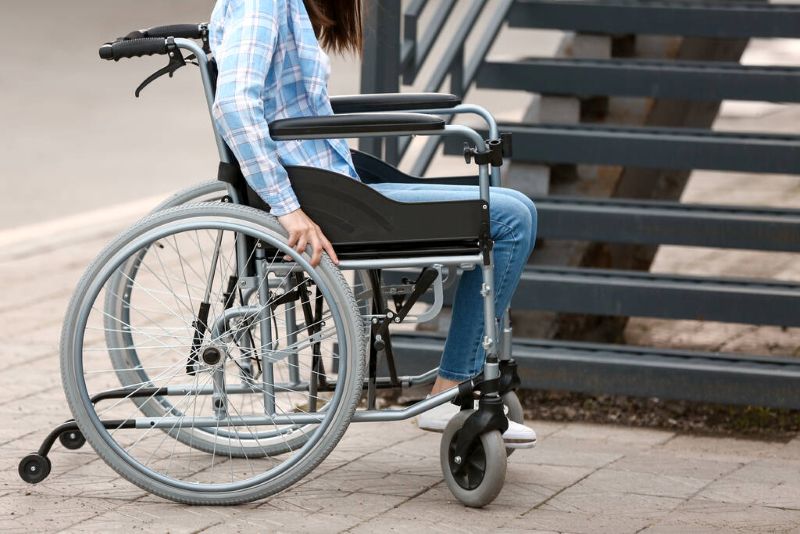
Accidents often force women to adjust their daily routines. Workplace responsibilities, caregiving, and household management may need to be shared temporarily. Embracing these adjustments allows recovery to become more sustainable. Simple strategies include:
- Workplace Flexibility: Request remote work or lighter duties if possible.
- Delegating Tasks: Let others help with shopping, cooking, or driving.
- Prioritizing Sleep: Quality rest improves healing speed and mood.
- Nutritional Care: Anti-inflammatory foods like nuts, seeds, and green tea can reduce pain and stiffness.
Returning to Movement Safely
Gentle activity is vital in regaining mobility and strength. Begin with short walks, light stretches, and breathing exercises. As the body heals, progress to core-strengthening movements, light resistance training, or restorative yoga. Always listen to your body and consult your therapist before advancing routines. Returning too quickly to high-impact workouts can set back recovery.
Emotional Wellness and Resilience
Trauma after an accident isn’t always visible. Women may experience anxiety while driving, difficulty sleeping, or hypervigilance in public spaces. Emotional healing strategies include:
- Counseling or Therapy: Professional guidance helps address post-traumatic stress.
- Mind-Body Practices: Yoga, tai chi, and guided meditation promote relaxation and self-confidence.
- Creative Outlets: Writing, painting, or music can help process complex emotions.
Long-Term Wellness: Preventing Relapse
As you move further along your recovery journey, maintaining strength and resilience becomes key. Preventative strategies include:
- Regular Exercise: Two to three strength sessions a week for core, back, and posture support.
- Ergonomic Adjustments: Supportive chairs, correct desk height, and proper footwear reduce re-injury risks.
- Stress Management: Deep breathing, mindfulness, and journaling to prevent tension-related flare-ups.
- Routine Check-Ins: Annual physicals or follow-up visits to ensure injuries remain stable.
Moving Forward With Confidence
Healing after an accident is a process that involves more than physical recovery. It’s about regaining independence, peace of mind, and trust in your body. By caring for both the physical and emotional aspects of recovery, women can move forward stronger, more resilient, and equipped with a deeper awareness of their health.
Whether it takes weeks or months, progress is still progress. Each step toward healing is a reminder of your body’s ability to recover and your mind’s strength to adapt. With patience, care, and the right support, life beyond the crash can be full of health, balance, and renewed confidence.
 Kim Monroe
  Hailey Reynolds