
6 min read
1002 words
Your daily routine might be hiding some silent saboteurs that are slowly compromising your dental health. While most people understand that candy and soda are bad for teeth, many common habits fly under the radar, causing damage that accumulates over months and years.
These seemingly innocent behaviors can lead to enamel erosion, tooth decay, and even tooth loss if left unchecked.
Brushing Too Hard
“Many people believe that aggressive brushing equals cleaner teeth, but this couldn’t be further from the truth. Brushing with too much force or using a hard-bristled toothbrush can actually wear away your tooth enamel and irritate your gums, leading to recession and sensitivity,” says Twiss Dental, a Highlands Ranch dentist.
Your enamel is strong but not indestructible, and once it’s gone, it doesn’t grow back. The key is to use gentle circular motions with a soft-bristled brush, letting the bristles do the work rather than applying excessive pressure.
Sipping Drinks Throughout the Day
Constantly sipping on coffee, tea, juice, or soda throughout the day exposes your teeth to repeated acid attacks. Each time you take a sip, the pH level in your mouth drops, creating an acidic environment that weakens enamel and promotes decay.
Your saliva needs time to neutralize these acids and remineralize your teeth, but constant sipping prevents this natural defense mechanism from working effectively. It’s better to drink beverages during meals or in one sitting rather than extending exposure over hours.
Using Your Teeth as Tools
Opening packages, tearing tags off clothing, or cracking nuts with your teeth might seem convenient, but these actions can cause chips, cracks, or even complete fractures. Your teeth are designed for chewing food, not serving as scissors, bottle openers, or pliers.
Even if you don’t experience immediate damage, these habits create microscopic cracks in your enamel that can expand over time. Keeping proper tools handy and taking an extra moment to use them can save you from expensive dental repairs down the road.
Chewing Ice
Many people mindlessly chew on ice cubes, especially after finishing a cold drink. This habit might seem harmless since ice is just frozen water, but the hardness and temperature of ice can cause significant damage to your teeth.
The extreme cold can cause your enamel to contract and expand rapidly, creating tiny fractures. The force required to crunch ice can also crack teeth or damage existing fillings and crowns. If you crave the crunching sensation, try switching to crisp vegetables like carrots or celery instead.
Grinding and Clenching
Bruxism, the technical term for teeth grinding or clenching, often occurs during sleep without people even realizing they’re doing it. This habit applies enormous pressure to your teeth, wearing down enamel, causing fractures, and leading to jaw pain and headaches.
Stress is a major contributor to grinding, but it can also result from misaligned teeth or sleep disorders. If you wake up with jaw soreness or your dentist notices unusual wear patterns, you might need a custom night guard to protect your teeth while you sleep.
Snacking Constantly
Frequent snacking, especially on carbohydrate-rich or sugary foods, keeps your mouth in a constant state of acid production. Bacteria in your mouth feed on these sugars and starches, producing acids that attack your enamel throughout the day.
Unlike drinking throughout the day, snacking provides both sugars for bacteria and creates extended periods where your teeth are under acidic assault. Limiting snacks to specific times and choosing tooth-friendly options like cheese, nuts, or vegetables can help protect your dental health.
Ignoring Dry Mouth
Saliva is your mouth’s natural defense system, washing away food particles and neutralizing harmful acids. When your mouth is chronically dry, whether from medications, breathing through your mouth, or medical conditions, your teeth lose this crucial protection.
Many people don’t realize that dry mouth significantly increases the risk of cavities and gum disease. Staying hydrated, using a humidifier at night, and chewing sugar-free gum can help stimulate saliva production and protect your teeth.
Biting Nails

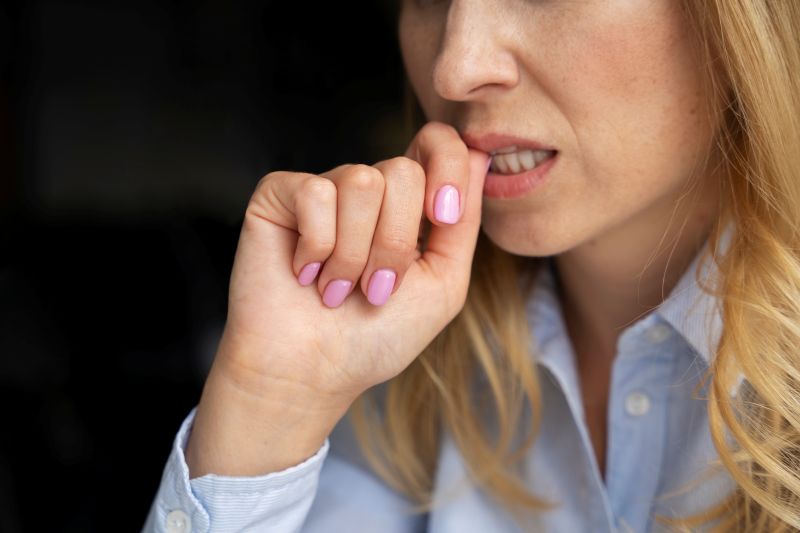
Nail biting isn’t just a nervous habit that affects your fingers; it also takes a toll on your teeth. The repetitive motion of biting nails can cause your jaw to protrude unnaturally, leading to jaw dysfunction and irregular wear on your teeth.
Additionally, nail biting introduces bacteria from your hands into your mouth, increasing the risk of infections. It can also chip or crack your front teeth over time. Finding alternative stress-relief methods can benefit both your oral health and your overall wellbeing.
Brushing Immediately After Eating
While brushing after meals seems like good dental hygiene, doing so immediately after eating acidic foods can actually harm your teeth. Acids from foods and drinks temporarily soften your enamel, and brushing during this vulnerable period can wear it away more easily.
It’s better to wait at least thirty minutes after eating before brushing, especially if you’ve consumed citrus fruits, tomatoes, soda, or wine. In the meantime, rinsing your mouth with water can help neutralize acids without damaging softened enamel.
Overlooking Regular Dental Visits
Perhaps the most damaging habit is simply neglecting regular dental checkups and cleanings. Many dental problems develop slowly and without obvious symptoms until they become serious, making professional monitoring essential for maintaining healthy teeth.
Regular visits allow your dentist to catch small issues before they become major problems, remove tartar that brushing can’t eliminate, and screen for oral cancer. Treating prevention as an afterthought rather than a priority can lead to painful and expensive dental emergencies that could have been avoided.
Taking Action for Better Dental Health
Awareness is the first step toward protecting your teeth from these silent threats. By recognizing which everyday habits are causing damage, you can make small adjustments that will pay enormous dividends for your dental health over the years.
Your teeth are meant to last a lifetime, but they need your help to stay strong and healthy. Breaking harmful habits and replacing them with tooth-friendly alternatives doesn’t require dramatic lifestyle changes, just mindful attention to how you’re treating your teeth throughout the day.
 Jennifer Williams
  Lynn Leblanc