
6 min read
1024 words
Just over a century ago, the only way doctors could see inside the human body was through surgery. It was necessary, but it was also extremely invasive and potentially dangerous in some cases. Then, X-rays were invented, and that technology ultimately ushered in an ever-growing world of medical imaging. Eventually, ultrasound, CT, PET, and MRI came into play, each of which continually improved and expanded over time.
MRI, or magnetic resonance imaging, is one of the most widely used and advanced tools in this arena. Like its counterparts, it allows doctors to see what’s happening inside the body without having to perform exploratory surgery. It provides a highly detailed glimpse beneath the surface, and it offers significant accuracy. From brain injuries and joint problems to soft tissue damage and cancer, it’s used to diagnose a wide range of conditions.
Making MRIs Work
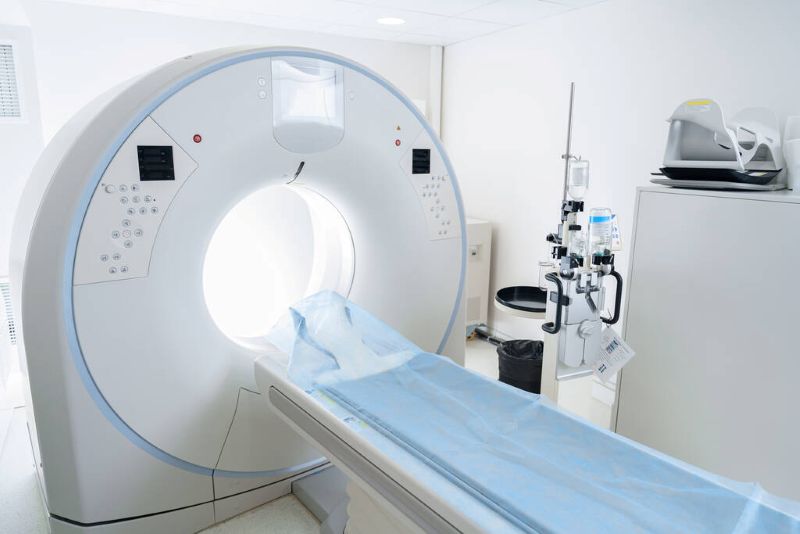
MRI machines use a combination of strong magnets and radio waves. During a southern utah mri, the machine’s magnet will align the hydrogen atoms in the water molecules in your body. From there, bursts of radio waves disrupt that alignment. That causes the hydrogen atoms to move around a bit before realigning. As they realign, they give off energy signals that the MRI machine detects. Computers interpret those signals to create surprisingly clear images of your insides.
Those magnets and radio waves need a little extra help to highlight internal organs, joints, blood vessels, and other components, though. That’s where contrast agents come into play. They’re given to patients before or during MRI scans to make specific elements or issues stand out. Based on ongoing studies, diamond dust may be the key to making MRIs even more effective than they already are.
Looking at Current Contrast Agents
In short, contrast agents help doctors distinguish between normal and abnormal tissue. Right now, the most common option is gadolinium. When it’s injected into the bloodstream, it alters the way water molecules respond to the MRI’s magnetic field. That makes specific areas of the body appear brighter on MRI scans.
This type of contrast agent has been in use for quite some time. Though it can be dangerous in its natural form, gadolinium is processed to make it safe to use in the human body. Still, some people have experienced allergic reactions after being given gadolinium-based contrast agents. At the same time, this element can linger in the body for a while after being administered, which can be a problem, especially for people with certain types of kidney conditions.
Finding New Alternatives
In light of the potential risks of gadolinium-based contrast agents, along with other factors, the medical world has been looking for other alternatives. Scientists have been working to develop options that leave the body more quickly than the solutions currently being used and pose fewer risks of reactions. They’re also searching for agents that may produce sharper images than those that are already on the market.
Nanotechnology has been getting a great deal of attention from the scientific community for several purposes. Contrast agents for MRIs is one of them. Tiny particles, thousands of times smaller than the width of a human hair, offer significant promise in this respect. Diamond dust, or nanodiamonds, are among the most exciting prospects.
What is Diamond Dust?
As alluded to, diamond dust is made up of tiny particles of diamonds. Called nanodiamonds, they’re so small that they can’t even be seen by the naked eye. Still, they retain the properties of conventional diamonds. They’re created through highly specialized processes. Scientists start with larger diamonds that are broken down into much smaller particles. Nanodiamonds have actually been studied for several drug delivery purposes, including cancer treatments.
Why Could Nanodiamonds Be the Future of MRI Contrast Agents?
Nanodiamonds are being considered for use in MRI contrast agents for several reasons. For one, they’re biocompatible. Since they’re made of carbon, which is one of the most common natural elements in the body, they’re non-toxic. That could make them safer than gadolinium. They’re also more stable than many other elements and compounds, so they don’t break down into potentially harmful byproducts. They can be flushed naturally out of the body more effectively than certain alternatives as well.
At the same time, nanodiamonds can be designed specifically to interact with the magnets in MRI machines. Though they’re not magnetic on their own, they can be engineered to have defects known as nitrogen-vacancy centers. Those defects make them more sensitive to magnetic fields and more effective in MRI scans.
Beyond those aspects, nanodiamonds may offer multifunctionality. Doctors may be able to modify them to not only highlight specific tissues or areas of the body in MRI scans but also simultaneously deliver medications directly to where they’re needed. For example, nanodiamonds may serve as contrast agents for tumors in MRI scans while delivering cancer treatments directly to those tumors.
Overcoming Challenges
Though nanodiamonds show a great deal of promise for use in MRI contrast agents and other medical applications, this is still a relatively new concept. More research and development needs to be done before they become a part of mainstream medicine. For one, scientists aren’t yet clear on just how the body will process and remove them. Furthermore, producing medical-grade nanodiamonds is still an expensive process, so it’s not yet practical.
Looking to the Future
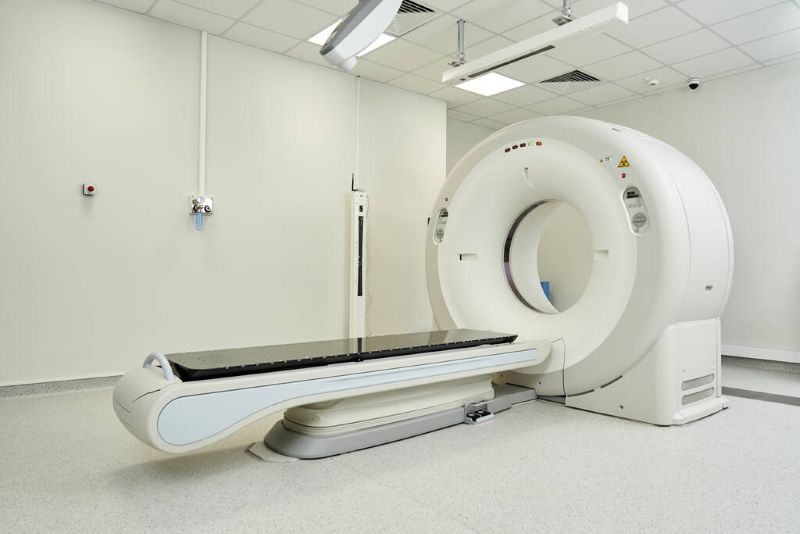
MRI scans have been an essential tool in the medical field for more than half a century now. They’re safe, effective, and versatile. As is the case with virtually any technology, though, there’s still room for improvement. Scientists are currently looking for alternatives to the gadolinium-based contrast agents that are currently in use to further improve the clarity of MRI scans and reduce the risks of reactions in patients.
Diamond dust could be the answer they’re looking for. Though some people may think it sounds a bit far-fetched, it’s a solid concept that shows considerable promise. As research and development continue, scientists will find answers to the lingering questions about nanodiamonds in contrast agents and overcome the hurdles that are standing in their way. Before long, nanodiamonds may become just as mainstream as gadolinium is today.
 Jennifer Williams
  Kim Monroe
  Hailey Reynolds