

5 min read
891 words
Psoriasis is a chronic autoimmune condition that manifests on the skin, affecting millions of people worldwide. Although it is most commonly associated with red, scaly patches on various parts of the body, psoriasis can also have psychological and lifestyle implications that extend beyond the physical manifestations. In this article, we’ll explore the causes, treatments, and management strategies for this condition, while addressing common questions surrounding psoriasis.
What Causes Psoriasis?
The exact cause of psoriasis remains unknown, but it is believed to involve a complex interplay of genetic, environmental, and immune system factors.
Genetic predisposition plays a significant role, as individuals with a family history of psoriasis are more likely to develop the condition. Environmental triggers such as stress, skin injuries, infections, and certain medications can also aggravate or precipitate flare-ups. An overactive immune system mistakenly attacks healthy skin cells, causing them to multiply rapidly—leading to the formation of those distinctive plaques associated with psoriasis.
Is Psoriasis Dangerous?
While psoriasis itself is not classified as a life-threatening condition, it can lead to serious health issues if not managed properly. Beyond the physical symptoms, psoriasis is linked with a higher risk of developing other serious conditions, such as psoriatic arthritis, cardiovascular diseases, and metabolic syndrome. Psoriatic arthritis can lead to significant joint damage and chronic pain if untreated.
Moreover, the emotional toll of living with a visible skin condition can contribute to mental health issues, including anxiety and depression. It is crucial for individuals with psoriasis to engage with their healthcare providers for regular monitoring and comprehensive care addressing both physical and mental health aspects.
Is Psoriasis Contagious?
One of the most common misconceptions about psoriasis is that it is contagious. This is entirely false. Psoriasis is an autoimmune condition, not an infectious disease. It cannot be transmitted through skin-to-skin contact, sharing personal items, or any other form of interaction. Understanding this can ease some of the social stigmas associated with the condition and provide individuals with psoriasis the confidence they need to navigate their daily lives.
Treatment for Psoriasis
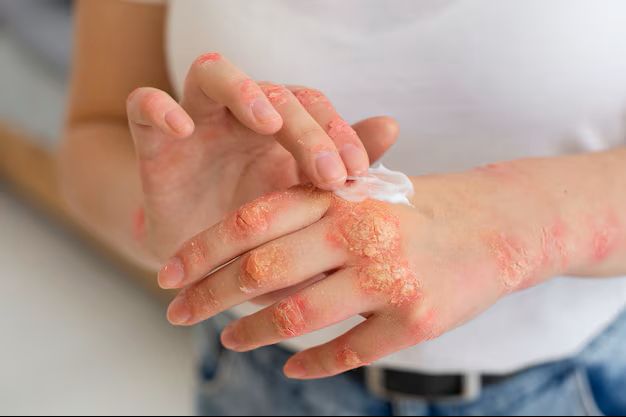
Treatment options for psoriasis vary widely, as individual responses to treatment can differ. The goals of treatment are to reduce inflammation, slow down skin cell turnover, and alleviate itching and discomfort. Options include:
- Topical Treatments: These are often the first line of defense. Many over-the-counter creams and prescription ointments are available, which often contain ingredients such as corticosteroids, vitamin D analogs, and retinoids to reduce inflammation and skin cell production. Common psoriasis creams include hydrocortisone cream and calcipotriene.
- Phototherapy: This treatment option employs ultraviolet light (UV) to slow the growth of skin cells. When used under medical supervision, phototherapy can significantly improve symptoms for many individuals.
- Systemic Medications: For more severe cases, systemic medications—prescription drugs that affect the entire body—may be recommended. These can include methotrexate, cyclosporine, and biologics, which target specific parts of the immune system.
- Lifestyle and Dietary Modifications: Integrating a healthy diet and lifestyle changes can also aid in the management of psoriasis.
Treatment for Psoriasis on Scalp
Psoriasis on the scalp, also known as scalp psoriasis, can be particularly challenging due to its visibility and potential pain or itching. Treatment typically involves:
- Topical Treatments: Shampoos containing coal tar or salicylic acid can help remove scales, while corticosteroids in liquid form can target inflammation directly on the scalp.
- Oral Medications: In severe cases, oral medications may be necessary to treat scalp psoriasis effectively.
- Light Therapy: Phototherapy may also be adapted for use on the scalp, though it can be more challenging than treating other areas of the body.
What is the Best Treatment for Psoriasis?
Determining the best treatment for psoriasis is highly personalized. Factors such as the severity of the condition, affected body areas, age, and overall health need to be considered. Consulting with a dermatologist or healthcare provider experienced in treating psoriasis can help guide individuals to the most effective treatment plan. New therapies and treatment modalities are continually emerging, making it essential to stay informed about the latest options available.
Psoriasis Treatment Diet
Emerging research suggests that diet can play a significant role in managing psoriasis symptoms. While no specific psoriasis diet is universally accepted, some dietary adjustments may reduce inflammation and improve skin health:
- Anti-Inflammatory Foods: Incorporating foods rich in omega-3 fatty acids, such as fatty fish (salmon, sardines), nuts, seeds, and avocados can help reduce inflammation.
- Fruits and Vegetables: A diet high in antioxidants—found in colorful fruits and vegetables—can support skin health and reduce overall inflammation.
- Whole Grains: Whole grains like brown rice and quinoa are better choices compared to refined grains, as they have lower glycemic indexes and provide steady energy.
- Limit Processed Foods: Reducing the intake of sugar, alcohol, and processed foods can help control inflammation and improve overall health.
- Hydration: Drinking plenty of water is crucial for maintaining skin hydration and overall health.
While dietary changes can complement traditional treatments, they should not replace medical advice or prescribed therapies.
Conclusion
Psoriasis is a complex condition that goes beyond skin deep. Understanding the causes, impact, and available treatment options empowers individuals to manage their condition effectively. Whether seeking topical treatments, systemic therapies, or lifestyle modifications—it’s vital to approach psoriasis as a holistic issue involving physical health, emotional well-being, and personal guidance from healthcare professionals. By doing so, individuals can lead fulfilling lives, regardless of their psoriasis diagnosis.
 Lynn Leblanc
  Valerie Cox