
3 min read
516 words
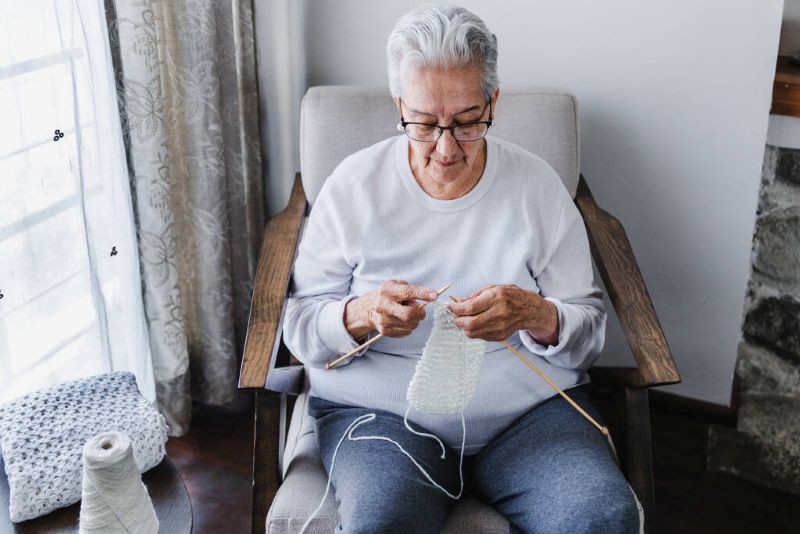
Life rarely moves in straight lines. Instead, it circles, overlaps, and spirals, creating a design much like a woven fabric. Each day we carry fragments of memory into the present moment, while simultaneously creating patterns that will become tomorrow’s history. Thinking of time as cloth helps us see how our stories are layered, connected, and evolving.
Memory as a living thread
Memories are often imagined as things that sit behind us, but in truth they travel with us. The way we greet a loved one, cook a family recipe, or hum an old tune shows how memory threads itself into the present.
What is most fascinating is how memory becomes collective. Festivals, local traditions, and cultural rituals act as communal weaving looms, binding people together. They give us a sense of continuity while also leaving space for reinvention with each generation.
The art of intentional weaving
Daily life can feel fragmented, but viewing it as a weaving project reframes our choices. Each action becomes a thread we select: some vibrant, some muted, others sturdy and practical. Intentional living means choosing these strands with care, so that the fabric of our lives reflects not only survival but meaning.
This is why rituals, whether spiritual practices, creative hobbies, or simple routines, matter. They tie us to the larger pattern of life, reminding us that small acts repeated over time form something enduring. Even moments of rest or silence are valuable, like spaces in fabric that allow the design to breathe.
When past and present meet in care
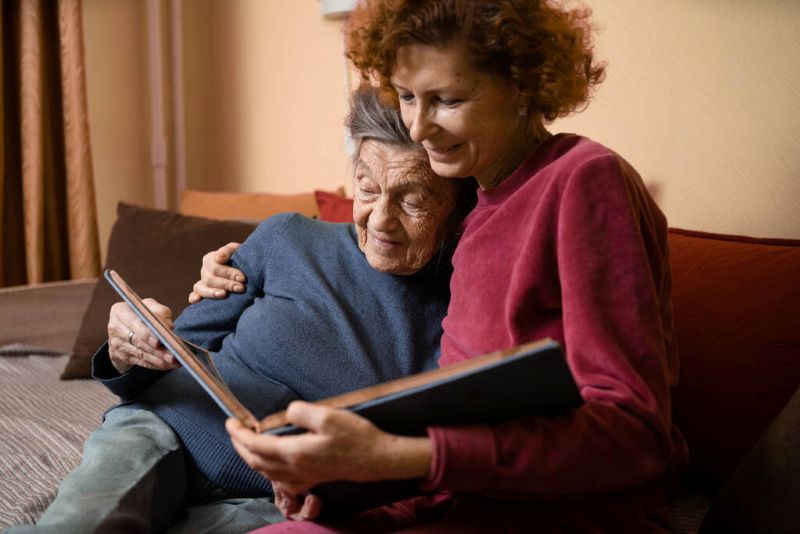
Weaving past and present is particularly important in environments where identity can feel fragile, such as elder care. By incorporating personal histories—favorite songs, stories, crafts, or family photographs—daily life becomes more than a schedule; it becomes a continuation of self. Spaces that honor memory nurture belonging and dignity.
One example is this care home in Andover, where a person-centered approach creates opportunities for residents to connect past experiences with present joys. Here, memory isn’t seen as something lost but as something to be celebrated and integrated into the rhythm of living.
Tension and renewal in the weave
No fabric is flawless. Threads can tangle, snap, or fray. Similarly, our lives hold moments of rupture—loss, change, or uncertainty. Yet, just as a skilled weaver incorporates broken strands into the design, we too can reframe challenges as part of the larger picture. Imperfections often add texture and resilience to the whole.
Equally, new beginnings are always possible. A shift in career, a relocation, or simply adopting a new habit introduces fresh threads that alter the pattern. By embracing change, we allow the weave to remain dynamic rather than rigid.
Crafting tomorrow’s fabric
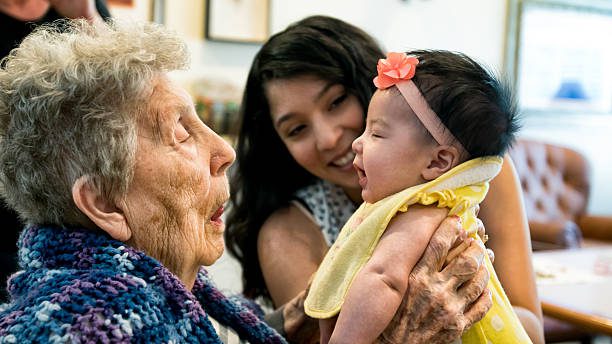
Living with the metaphor of weaving reminds us that the present isn’t isolated. Each decision, however small, contributes to the design of tomorrow’s fabric. By respecting memory, practicing intention, and welcoming renewal, we create a life that honors both continuity and possibility.
The tapestry of time is never finished. It stretches forward, waiting for the next thread you’ll choose to add.
 Carly
Carly  Kim Monroe
  Kayla Baptiste