
3 min read
585 words
Ensuring the safety, comfort, and overall well-being of residents in residential care facilities requires more than standard routines and generic programs. Each individual has unique needs, preferences, and histories that shape how they respond to care. This is where personalized care plans play a critical role in creating environments that feel both safe and familiar.
Understanding Personalized Care Plans
A personalized care plan is a structured, dynamic document that outlines the specific needs, preferences, and goals of a resident. Unlike generic care approaches, it takes into account medical requirements, daily routines, social interests, and emotional well-being. The goal is to provide a tailored approach that promotes independence while ensuring safety.
Personalized care plans are developed through close collaboration between care professionals, family members, and the residents themselves. This collaborative approach ensures that the care delivered respects the individual’s lifestyle, personality, and past experiences, fostering a sense of familiarity in the residential setting.
Choosing a residential care home in Bristol that invests in individualized planning ensures that residents receive attention tailored to their needs while living in a safe, familiar, and supportive environment.
Creating a Sense of Familiarity

One of the most powerful aspects of a personalized care plan is its ability to make a residential setting feel like home. Familiar routines, favorite activities, and personal preferences in meals, décor, and daily schedules can significantly reduce stress and confusion, especially for residents with cognitive impairments or memory-related conditions.
When residents see their personal preferences reflected in their environment, it promotes comfort and stability. Simple adjustments, such as arranging furniture to match previous home layouts or incorporating cherished hobbies into daily activities, can make a substantial difference in their quality of life.
Enhancing Safety Through Individualized Care
Safety is a cornerstone of any residential care setting. Personalized care plans allow staff to anticipate and mitigate potential risks for each resident. This might include fall prevention strategies, medication management tailored to individual health profiles, or monitoring specific health conditions closely.
Because these plans are continually updated to reflect changes in health, behavior, or mobility, staff can proactively adapt care strategies rather than reacting to incidents. This proactive approach fosters a secure environment where residents feel both protected and respected.
Encouraging Independence and Autonomy
Personalized care plans are not just about safety—they are also about promoting independence. By understanding each resident’s strengths and abilities, staff can support autonomy in a way that is safe and meaningful.
For example, residents who enjoy cooking might participate in supervised meal preparation, while those with mobility challenges could engage in adapted physical activities. Empowering residents to make choices about their daily routines fosters confidence and reinforces their sense of identity, which is essential for emotional well-being.
Building Stronger Relationships
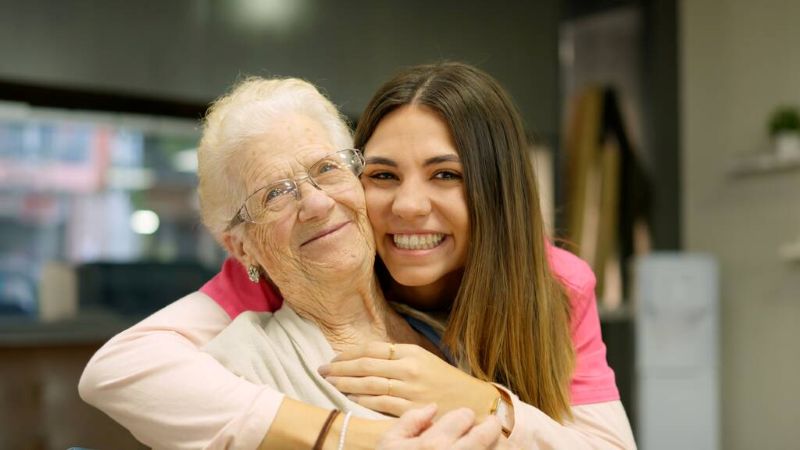
Personalized care plans also enhance the relationship between staff and residents. When caregivers have detailed insights into each person’s preferences, history, and needs, interactions become more meaningful and responsive.
This level of attentiveness can lead to stronger trust and rapport, which is particularly important for residents who may feel anxious or isolated in a new environment. A familiar face, combined with care that reflects their unique identity, reinforces a sense of belonging.
The Role of Care Facilities
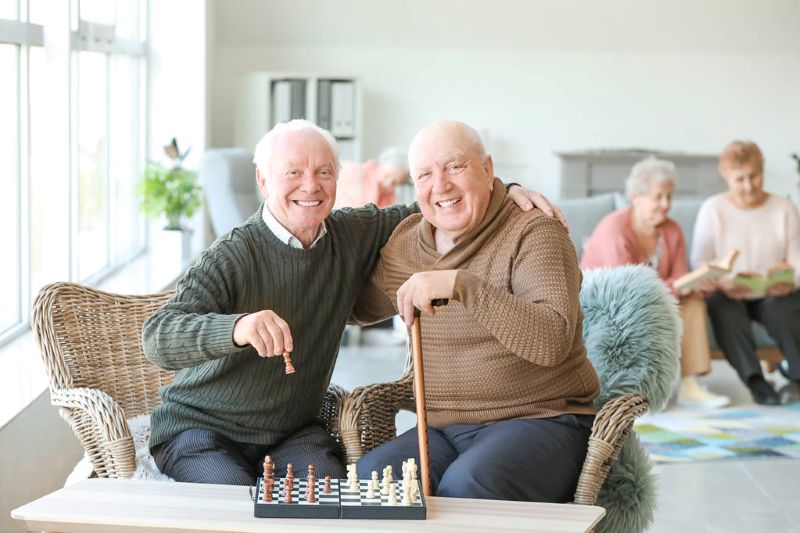
Residential care facilities that prioritize personalized care plans demonstrate a commitment to quality, compassionate care.
In summary, personalized care plans are essential for creating residential settings that balance safety, familiarity, and independence. By acknowledging the individuality of each resident, care providers can foster environments where people not only live but thrive.
 Carly
Carly  Kim Monroe
  Kayla Baptiste