

3 min read
549 words
Strong, supportive communities play a vital role in enhancing both health and happiness during later life. Connection with others reduces feelings of loneliness, encourages active lifestyles, and provides a sense of belonging that nurtures emotional wellbeing. Whether through friendships, neighborhood groups, or shared activities, these relationships create a network of care that uplifts daily living. Communities also offer practical support, from advice and encouragement to assistance with challenges, making life more manageable and fulfilling. By fostering social bonds and shared purpose, supportive communities not only improve overall health but also bring joy, comfort, and renewed meaning to later years.
The Power of Connection
Loneliness is one of the most common challenges in later life. As families grow, move away, or become busier, many older people find themselves with fewer daily interactions. Research shows that social isolation can have the same negative impact on health as smoking or obesity.
Supportive communities help bridge this gap. Whether it’s through shared activities, group meals, or simply friendly conversations, being part of a community gives older adults a sense of belonging. It reminds them that they are valued, needed, and connected to something larger than themselves.
Health Benefits Beyond the Surface
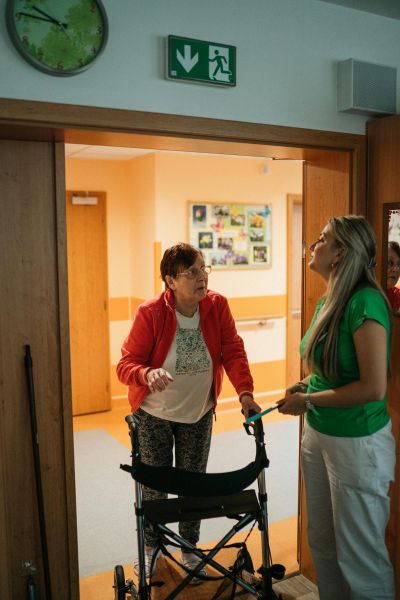
The benefits of a supportive environment go far beyond social smiles. Studies link community living with improved mental health, reduced stress, and even lower risks of certain chronic illnesses. Social engagement keeps the mind active, helping to slow cognitive decline.
In addition, when people feel supported, they are more likely to engage in healthy habits. Group exercise sessions, wellness programmes, or even walking clubs within a community make staying active easier and more enjoyable. The accountability and encouragement of peers can be powerful motivators.
Creating Comfort and Security
Feeling safe and supported is fundamental to happiness. In later life, supportive communities often provide reassurance through reliable staff, structured care, and safe surroundings. This doesn’t mean giving up independence; in fact, it often enhances it. With the right safety nets in place, older adults can enjoy freedom and peace of mind, knowing help is available when needed.
For example, a Bristol residential care home demonstrates how health support and social connection can be combined in one environment. Here, residents are encouraged to engage with others, pursue hobbies, and maintain their individuality while being part of a larger, caring community.
Inspiring Examples of Togetherness
Supportive communities aren’t just about structure, they’re about spirit. It’s in the laughter during a game night, the pride of learning something new, or the comfort of shared meals. These simple yet meaningful moments transform a place to live into a place to thrive.
Families, too, benefit from knowing their loved ones are not only cared for but are genuinely happy. It eases worry and fosters stronger family relationships when everyone feels assured of their loved one’s wellbeing.
A Brighter Future in Community Living
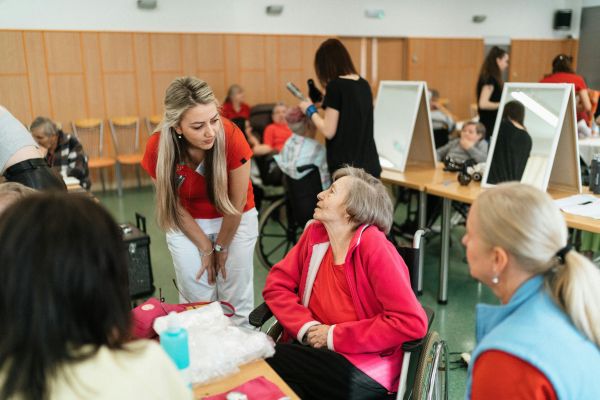
Later life should be a time of joy, dignity, and fulfillment. Supportive communities help make that possible by weaving together health, happiness, and human connection. They offer more than care; they offer companionship, purpose, and a renewed sense of belonging.
By embracing the strength of community, older adults can look forward to a future that’s not defined by limitations but enriched by opportunities to live fully and joyfully.
 Carly
Carly  Kim Monroe
  Kayla Baptiste