
5 min read
874 words
As we journey through life, our homes become our sanctuaries. But sometimes, even the most familiar places can hold hidden risks. The truth is, anyone can fall, but as we age, the consequences can be more serious. The good news? Falls are not an inevitable part of aging. In fact, most falls are preventable with the right knowledge and precautions.
The statistics are sobering, but they highlight why this issue is so important:
- 1 in 3 adults aged 65 and older will fall at least once a year.
- Adults over 65 are nine times more likely to be injured from a fall.
- A staggering 95% of hip fractures are caused by falls.
- Sadly, about 40% of nursing home admissions are due to a fall.
These numbers aren’t meant to scare you—they’re meant to empower you. By taking proactive steps, you can dramatically reduce your risk and maintain your independence for years to come. This guide will walk you through simple, effective strategies for fall prevention.
How Seniors Can Prevent Falls: Proactive Steps for Safety
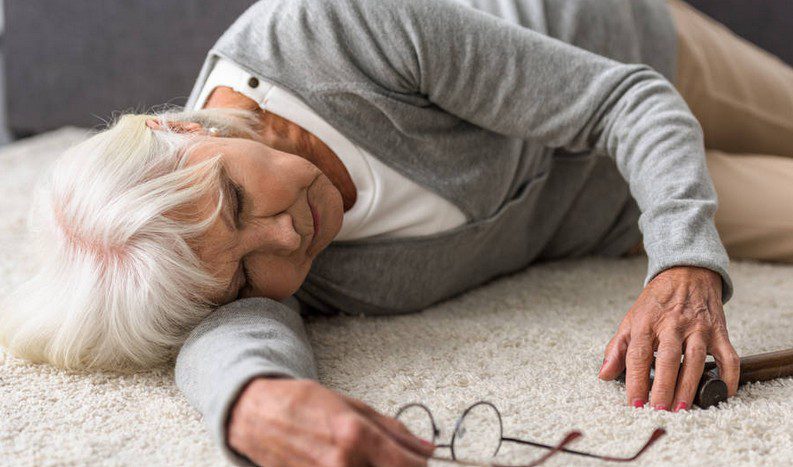
Preventing a fall is about creating a safe environment and supporting your body’s strength and balance. Here’s how you can start today.
1. Conduct a Home Safety Check
Since 50% of falls happen at home, making your living space safe is your first line of defense. Grab a notepad and walk through your home looking for these common hazards:
- Floor Clutter: Electrical cords, magazines, and low-level furniture can be trip hazards. Keep pathways clear.
- Slippery & Uneven Surfaces: Scatter rugs and mats without non-slip backing are a major risk. Secure them with double-sided tape or remove them.
- Poor Lighting: Place nightlights in hallways, bedrooms, and bathrooms. Ensure all stairways are well-lit with switches at the top and bottom.
- Bathroom Dangers: Install grab bars in the shower/tub and next to the toilet. Use a non-slip mat inside the shower.
2. Review Your Medications with Your Doctor
Did you know that the more medications you take, the greater your risk of falling? Some prescriptions and over-the-counter drugs can cause side effects like dizziness, drowsiness, or dehydration. Schedule a “medication check-up” with your doctor or pharmacist at least once a year. Bring a complete list of everything you take, including vitamins and supplements, to review for interactions that could increase your fall risk.
3. Stay Active with Balance and Strength Exercises
Physical activity is one of the most powerful tools for fall prevention. Focus on exercises that improve:
- Leg strength (e.g., sit-to-stand exercises, walking)
- Balance (e.g., Tai Chi, standing on one foot)
- Flexibility Always check with your healthcare provider before starting a new exercise routine. Many community centers offer specialized classes for seniors.
4. Choose the Right Footwear and Walking Aids
Safe shoes are non-negotiable. Avoid walking around in socks, slippers, or shoes with smooth soles. Opt for sturdy, well-fitting shoes with non-skid soles. If you feel unsteady, a walking aid can be a game-changer for confidence and stability. Canes, walkers, or walking poles can provide crucial support. Ensure they are the correct height and have fresh, non-slip tips.
5. Be Winter Ready
Icy sidewalks and driveways are a major hazard. During colder months:
- Wear boots with grippy soles.
- Use ice melt or sand on your steps and pathways.
- Consider having a family member, neighbor, or service clear snow for you.
- If conditions are bad, it’s okay to postpone errands.
6. See Your Healthcare Team Regularly
Schedule annual vision and hearing exams. Even small changes in your sight or hearing can affect your balance and spatial awareness. Discuss any concerns about dizziness or joint pain with your doctor, as these can be treated.
7. Invest in a Medical Alert System (Lifeline)
For ultimate peace of mind—for you and your family—consider a medical alert pendant or bracelet. If you do fall, you can get help with the push of a button. This safety net allows you to live independently with the confidence that assistance is always available.
What to Do If You Fall
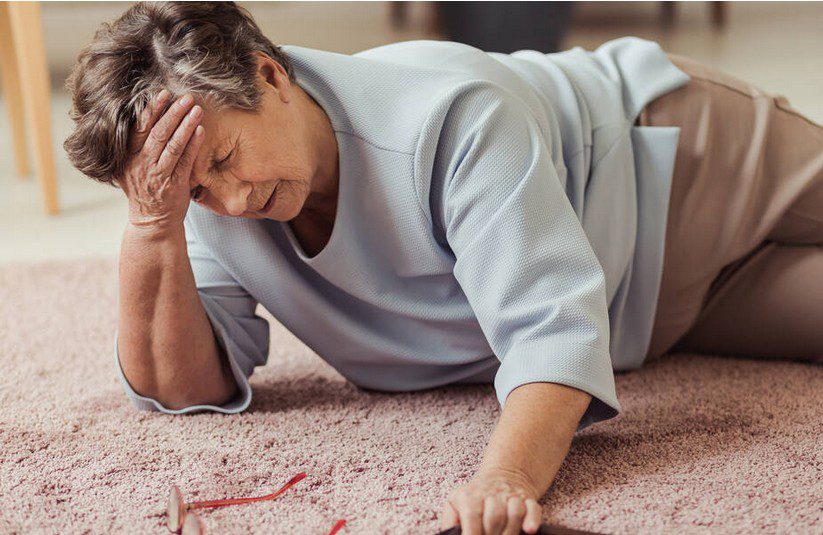
Even with the best precautions, falls can happen. Knowing what to do can help prevent panic and further injury.
- Stay Calm. Take a few deep breaths.
- Don’t Rush. Lie still for a moment and check yourself for pain or injury.
- Call for Help. If you are hurt or cannot get up, call for help. Use your medical alert system, a phone, or make noise to attract attention.
- If You Can Get Up Safely:
- Roll onto your side.
- Push yourself into a crawling position and crawl to a sturdy chair.
- Place your hands on the seat and slide one foot forward, placing it flat on the floor.
- Rise slowly, turn, and sit down.
- Tell Your Doctor. Even if you feel fine, it’s crucial to tell your doctor about any fall. They can help identify the cause and prevent future ones.
Your Independence is Worth Protecting
Taking steps to prevent falls is one of the most important things you can do to protect your health and continue living life on your own terms. Start with one or two tips from this list, and gradually incorporate more. By making your safety a priority, you’re investing in a future of strength, confidence, and independence.
Sources: National Council on Aging (NCOA) and CDC fall statistics.
 Kim Monroe
  Kayla Baptiste