
4 min read
788 words
As we age, it’s natural for our bodies to experience changes, and our brains are no exception. While some degree of cognitive decline can be a part of the aging process, it’s not an inevitable slide towards significant impairment. Mounting research and a deeper understanding of brain plasticity have revealed that our brains can continue to adapt, learn, and even improve well into our senior years. One of the most enjoyable and accessible ways for seniors to maintain and enhance their cognitive vitality is through engaging in brain games. Far from being mere pastimes, these activities offer a powerful, playful pathway to a sharper, more resilient mind.
Maintaining cognitive health is crucial for overall quality of life, independence, and well-being in later years. It impacts everything from remembering daily tasks and managing finances to engaging in conversations and problem-solving. Brain games, designed to challenge various aspects of our cognitive function, provide a targeted workout for the mind, helping to keep neural pathways active and potentially build new connections.
The Science Behind the Fun: How Brain Games Work
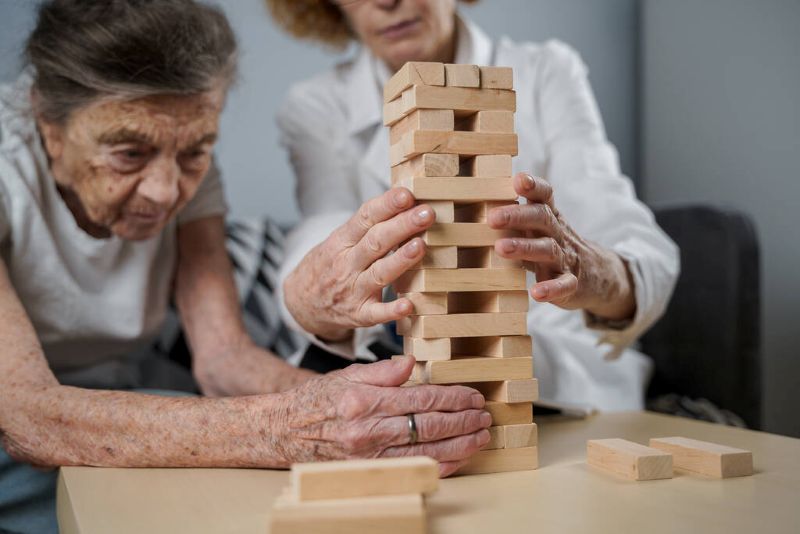
The effectiveness of brain games for seniors is rooted in the concept of neuroplasticity – the brain’s remarkable ability to reorganize itself by forming new neural connections throughout life. When you engage in a challenging mental activity, you stimulate different areas of your brain, prompting it to adapt and grow. This is akin to how physical exercise strengthens muscles; consistent mental exertion strengthens cognitive functions.
Brain games specifically target key cognitive domains that can be vulnerable to age-related decline. These include:
- Memory: Both short-term (working memory) and long-term memory. Games that require recall of information, sequences, or images help to consolidate neural pathways involved in memory formation and retrieval.
- Attention and Focus: The ability to concentrate on a task while ignoring distractions. Many games demand sustained attention, improving one’s capacity to focus on relevant information.
- Problem-Solving and Logic: The skills needed to analyze situations, identify solutions, and make decisions. Puzzles and strategy games are excellent for honing these executive functions.
- Processing Speed: How quickly the brain can take in new information and respond to it. Games with time constraints or rapid sequences can help improve the speed at which the brain processes information.
- Language Skills: Vocabulary, verbal fluency, and comprehension. Word games stimulate the language centres of the brain, enriching communication abilities.
By regularly engaging in activities that challenge these areas, seniors can help maintain cognitive flexibility, improve information processing, and potentially delay the onset of age-related cognitive issues. The brain, much like a muscle, thrives on being used and challenged.
Diverse Games for Diverse Cognitive Benefits
The beauty of brain games lies in their variety, offering something for every preference and cognitive need. To achieve comprehensive benefits, it’s often recommended to engage in a range of activities that target different cognitive functions.
- Classic Puzzles:
- Crossword Puzzles: Excellent for vocabulary, general knowledge, and memory recall.
- Sudoku: Primarily focuses on logic, number sequencing, and problem-solving through deductive reasoning.
- Jigsaw Puzzles: Enhance spatial reasoning, pattern recognition, and fine motor skills.
- Word Searches/Boggle: Boost attention, processing speed, and pattern recognition for words.
- Strategy and Logic Games:
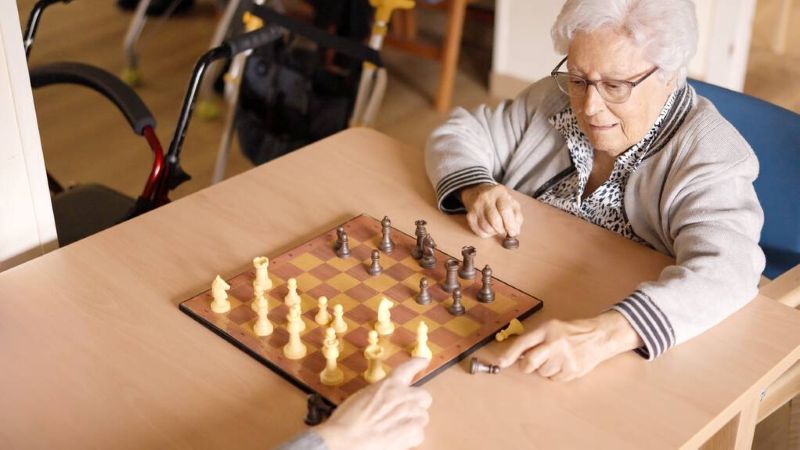
- Chess and Checkers: Require profound strategic thinking, planning, foresight, and problem-solving.
- Card Games (e.g., Bridge, Rummy): Involve memory, strategy, calculation, and often social interaction.
- Mahjong: A game of skill, strategy, and calculation, often played socially.
- Memory-Specific Games:
- “Concentration” or “Memory Match”: Involves flipping cards to find matching pairs, directly training visual memory.
- Memory Apps/Online Games: Many digital platforms offer games specifically designed to test and improve different types of memory, from recalling sequences to remembering details.
- Digital Brain Training Platforms:
- Websites and apps like Lumosity, CogniFit, and BrainHQ offer personalized training programs with a variety of mini-games designed by neuroscientists to target specific cognitive areas. These often include tracking progress, which can be highly motivating.
- Creative and Learning Activities:
- Learning a new language or musical instrument, reading challenging books, or engaging in creative writing or painting also act as powerful brain exercises, stimulating diverse cognitive functions beyond what traditional “games” might offer.
Integrating brain games into a daily or weekly routine can be both fun and beneficial. The key is consistency and finding activities that are genuinely enjoyable, as enthusiasm fuels engagement. While individual results may vary, the act of consistently challenging the brain contributes positively to its overall health and resilience.

In conclusion, brain games provide a practical, enjoyable, and scientifically supported method for seniors to actively participate in enhancing their cognitive health. By embracing these mental workouts, seniors can not only sharpen their minds and improve various cognitive functions but also foster a greater sense of well-being and independence, proving that it’s never too late to invest in the power of your own brain.
 Carly
Carly  Kayla Baptiste