
3 min read
507 words
In today’s fast-paced world, striking the right balance between independence and support is something many of us strive to achieve. Whether in personal relationships, professional settings, or aging care, this balance is both delicate and essential. Let’s explore how we can navigate this terrain, cultivate healthy autonomy, and still be open to assistance when needed.
Why This Balance Matters
Independence offers us freedom, self-worth, and the opportunity to grow. It lets us make choices, learn from mistakes, and feel confident in our capabilities. Yet, too much reliance solely on ourselves can lead to isolation, burnout, or even repeated inefficiency.
Finding harmony means weaving both strengths—self-sufficiency and community—into our lives.
Practical Steps to Cultivate Healthy Independence

- Set clear personal goals
Start by identifying goals that matter to you—big or small. Perhaps you want to learn a new skill, manage your finances better, or take charge of your health. When your direction is clear, you naturally align your efforts toward self-reliance. - Practice decision-making
Even in minor matters—what to cook, what book to read—make choices on your own. Over time, that builds confidence to make larger decisions, such as career moves or relationships. - Accept imperfection and failure
True independence means being willing to stumble—mistakes are part of the process. By embracing them as learning opportunities, you strengthen resilience. - Build supportive habits
Healthy routines—like regular exercise, journaling, or meditation—anchor you. They reinforce that your well-being is in your hands without needing constant external validation.
A Contextual Example: Supporting Independence in Elder Care
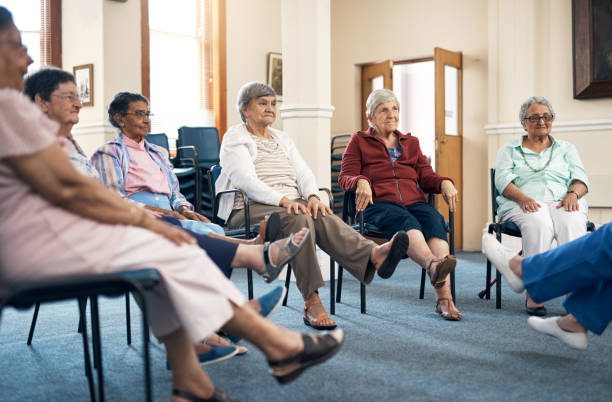
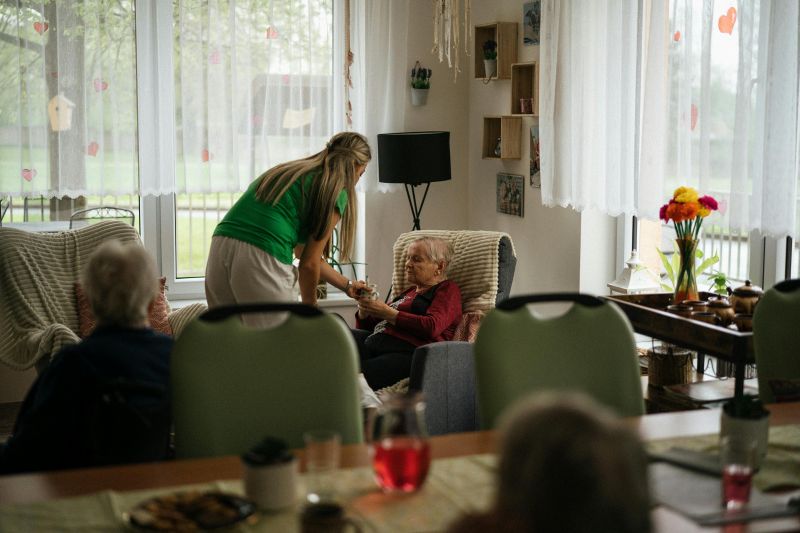
A poignant arena where this balance plays out is in elder care. Many older adults want to maintain their dignity and autonomy, even as they need increasing support. For families and care providers, the challenge is to offer assistance without undermining self-respect.
If you’re exploring options for older loved ones and how to ensure they retain as much independence as possible, you might want to look into the quality of the care facilities. One example in the UK worth checking out is care homes in Harpenden, which strive to provide supportive environments tailored to individual needs.
These settings often offer assisted services like meal preparation, health monitoring, social activities, and housecleaning—while still encouraging residents to make daily choices, manage parts of their own care, and remain socially engaged.
Integrating Support into Daily Life
- Build a support network early
Cultivate relationships, join groups, and keep lines of communication open so that asking for support becomes natural rather than a crisis move. - Reflect regularly
Every few weeks, pause and ask: Am I leaning too heavily on others? Or am I isolating myself? Adjust your balance accordingly.
Conclusion
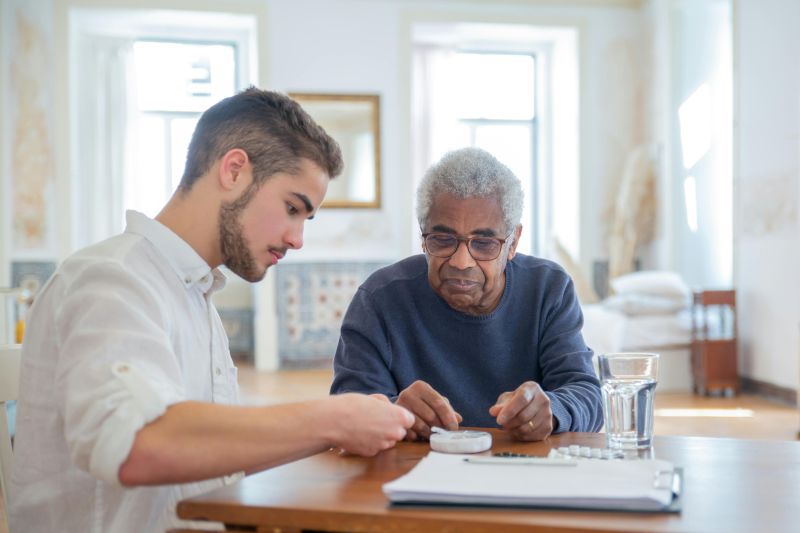
Finding balance between independence and support is a journey, not a final destination. It involves ongoing reflection, courage, and adjustment. But with clear goals, trusted allies, and the wisdom to ask when needed, we can walk that line with confidence. Whether in personal growth, career, or the care of elders, striking that balance helps each of us and our communities thrive together.
 Carly
Carly  Kim Monroe
  Kayla Baptiste