

6 min read
1144 words
Every September, a specific shade of blue begins to weave its way into our awareness. It appears on lapel pins, social media profiles, and charity-run t-shirts. This is the blue of Prostate Cancer Awareness Month—a color chosen to represent solidarity, hope, and a crucial, often unspoken conversation. While the symbolism is important, this month is about so much more than a color; it’s about shattering the silence that has long surrounded men’s health and empowering individuals with knowledge that can truly save lives.
Prostate cancer is the most common non-skin cancer among men, with a statistical likelihood that is both sobering and motivating. One in eight men will be diagnosed with it in their lifetime. Yet, despite its prevalence, a cloud of ambiguity, embarrassment, and misinformation often prevents the open dialogue necessary for early detection and effective treatment. This September, let’s move beyond the awkwardness and dive into the essential facts, the personal stories, and the proactive strategies that define the modern fight against prostate cancer.
Demystifying the Prostate and Navigating the Diagnostic Maze
To understand the enemy, one must first know the terrain. The prostate is a small, walnut-sized gland that is part of the male reproductive system, located just below the bladder and in front of the rectum. Its primary function is to produce fluid that nourishes and transports sperm. It’s a gland that, for most of a man’s life, operates unnoticed—until it doesn’t.
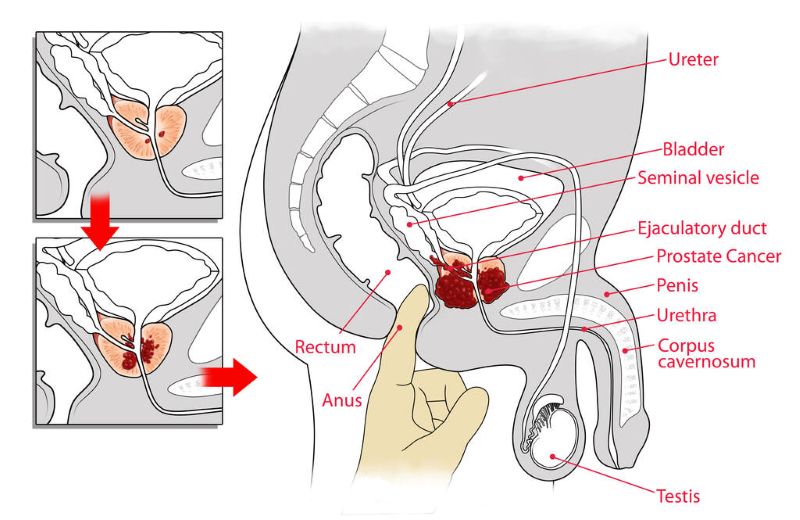
The journey of understanding prostate cancer begins with recognizing that not all prostate issues are cancer. Conditions like Benign Prostatic Hyperplasia (BPH), a non-cancerous enlargement of the prostate, and prostatitis, an inflammation of the gland, are common and can cause similar symptoms. These can include:
- Frequent urination, especially at night
- A weak or interrupted urine stream
- Difficulty starting or stopping urination
- Pain or burning during urination
- Blood in the urine or semen
The presence of these symptoms warrants a visit to a doctor, but it’s critical to remember: early-stage prostate cancer often has no symptoms at all. This is why screening, not just symptom-response, is the cornerstone of early detection.
The diagnostic process typically involves two initial tests:
- PSA Test (Prostate-Specific Antigen): This is a simple blood test that measures the level of PSA, a protein produced by both cancerous and non-cancerous prostate tissue. An elevated PSA level can be a red flag, but it is not a definitive cancer diagnosis. Levels can also be raised by BPH, prostatitis, recent ejaculation, or even a long bike ride.
- DRE (Digital Rectal Exam): The exam that often makes men squirm. A physician physically feels the prostate for any abnormalities, such as lumps or hard areas. While uncomfortable for a brief moment, the DRE provides tangible information that a PSA test cannot.
If these initial tests suggest cause for concern, the next step is often a biopsy to obtain tissue samples for a definitive diagnosis. It’s a maze of information, but navigating it with a trusted healthcare provider is the only way to reach a clear answer.
From Diagnosis to Decisions: The Landscape of Modern Treatment
A prostate cancer diagnosis is a life-altering moment, but it is far from a verdict. In fact, the landscape of prostate cancer treatment is more nuanced and patient-centric than ever before. The old paradigm of immediate, aggressive treatment for every case has been rightfully replaced by a philosophy of tailored, informed decision-making.
The first critical step after diagnosis is understanding the cancer’s aggressiveness. This is determined by the Gleason Score, which grades the cancer cells on a scale of 1 to 5. The grades of the two most common patterns of cells are added together to form a total score (e.g., 3+4=7). A lower score indicates a slower-growing cancer, while a higher score suggests a more aggressive one. This score, combined with the PSA level and the cancer’s stage (how far it has spread), forms the crucial trifecta for crafting a treatment plan.
Today, the array of options is vast and depends heavily on the individual’s age, overall health, and the specific nature of their cancer:
- Active Surveillance: For very low-risk or low-risk cancers, the best course of action may be to monitor the cancer closely with regular PSA tests, DREs, and periodic biopsies. This avoids the potential side effects of treatment (like incontinence or erectile dysfunction) unless the cancer shows signs of progression.
- Radical Prostatectomy: The surgical removal of the entire prostate gland. This can be done through traditional open surgery or, increasingly, with minimally invasive robotic-assisted techniques that offer greater precision and faster recovery times.
- Radiation Therapy: Using high-powered energy to kill cancer cells. This can be delivered externally (External Beam Radiation) or internally (Brachytherapy), where radioactive seeds are placed directly into the prostate.
- Focal Therapies: These newer, minimally invasive techniques (like HIFU or cryotherapy) aim to destroy only the cancerous tissue within the prostate, sparing the rest of the gland and potentially reducing side effects.
- Advanced Treatments: For advanced or metastatic cancer that has spread beyond the prostate, options include hormone therapy (to deprive cancer cells of androgens), chemotherapy, immunotherapy, and targeted drug therapies.
The power in this modern approach lies in the conversation. It is a collaborative process between a man and his medical team, weighing the potential benefits of each treatment against its risks and side effects. The goal is no longer just survival; it is preserving quality of life.
The Most Powerful Tool: Proactive Awareness
This September, the most important takeaway is that knowledge is the ultimate weapon. Awareness means more than just recognizing a blue ribbon; it means taking action.
- Start the Conversation: Talk to your father, brother, partner, and friends. Break the stigma. Ask about family history, as having a father or brother with prostate cancer more than doubles your risk.
- Consult Your Doctor: There is no one-size-fits-all recommendation for screening. The decision to get a PSA test should be an informed one made with a physician, ideally starting at age 50, or earlier (age 45) for men at higher risk, including African American men and those with a strong family history.
- Embrace a Healthy Lifestyle: While not a guarantee, evidence suggests that a heart-healthy lifestyle is a prostate-healthy lifestyle. Maintain a healthy weight, exercise regularly, and consider reducing red meat and high-fat dairy while increasing the intake of tomatoes (lycopene), cruciferous vegetables, and foods rich in healthy fats like fish.
Prostate Cancer Awareness Month is a rallying cry. It’s a reminder that health is not a passive state but an active pursuit. By replacing fear with facts and silence with conversation, we can transform this common diagnosis from a source of dread into a manageable chapter in a long and healthy life. This September, let’s wear the blue, but let’s also speak up, show up, and take control.
 Kim Monroe
  Hailey Reynolds