
8 min read
1546 words
In the landscape of modern birth control, individuals are increasingly seeking methods that offer both high reliability and convenience, minimizing the need for daily maintenance. Among the most effective options available are Long-Acting Reversible Contraceptives (LARCs), and within this category, the Intrauterine Copper Contraceptive (IUC or Copper IUD) stands out as a powerful, non-hormonal choice.
For those who prioritize autonomy over their reproductive health without introducing synthetic hormones into their system, the Copper IUD offers a robust solution, providing peace of mind for potentially a decade or more. This comprehensive guide explores the ins and outs of copper contraceptives, detailing how they function, what the user experience entails, and how they compare to the numerous other options available on the market.
Understanding Intrauterine Copper Contraceptives and Their Mechanism of Action
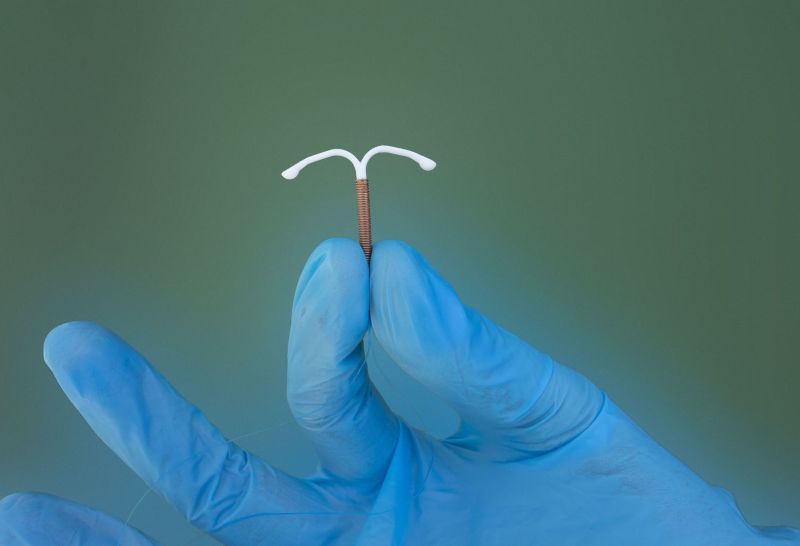
The Copper IUD, often recognized by its brand name Paragard in the US, is a small, T-shaped device made primarily of plastic, wrapped partially in fine copper wire. It is designed to be placed directly into the uterus by a healthcare provider. Unlike many other forms of contraception, its mechanism of action relies entirely on the physical and chemical properties of copper, meaning it is 100% hormone-free.
The effectiveness of the Copper IUD—which boasts a success rate exceeding 99%—is attributed to several interconnected biological effects:
The Contraceptive Power of Copper
- Spermicidal Environment: The primary mode of action is the creation of a local, non-toxic inflammatory reaction within the uterus and fallopian tubes. The copper ions released by the device are toxic to sperm. When sperm encounter these ions, their motility (ability to swim) is significantly inhibited and their viability is reduced, preventing them from reaching and fertilizing the egg.
- Inhibiting Fertilization: Even if a small number of sperm manage to survive the copper-rich environment, the presence of the device and the copper ions alters the fluids in the reproductive tract, making the entire journey hostile to fertilization.
- Preventing Implantation (Secondary Mechanism): While preventing fertilization is the main goal, the copper also causes minor changes to the uterine lining (endometrium). This change is often cited as a secondary mechanism, ensuring that if fertilization were to miraculously occur, the lining would be inhospitable to implantation.
Longevity and Efficacy
One of the most appealing features of the Copper IUD is its remarkable lifespan. Depending on the specific device and regional regulations, a single copper IUD can remain effective for up to 10 or even 12 years. This longevity positions it as a highly reliable ‘set-it-and-forget-it’ option, drastically reducing the chances of user error associated with daily pills or monthly patches. Furthermore, its efficacy begins immediately upon insertion.
Insertion, Maintenance, and Expected Side Effects of Copper IUDs
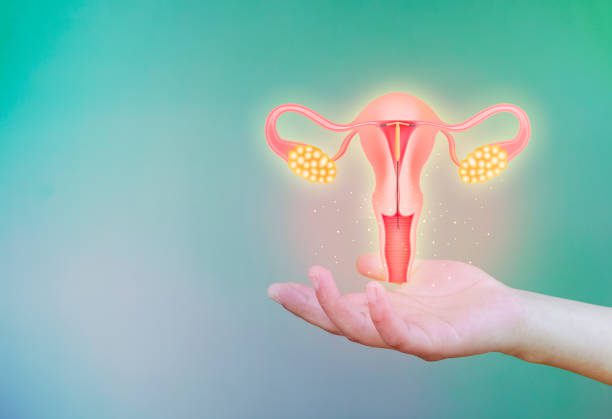
Choosing a LARC means committing to a specific procedure and understanding the adjustment period. While the Copper IUD provides immense long-term freedom, users should be fully informed about the insertion process, routine maintenance, and the common side effects associated with the device.
The Insertion Process
The IUD must be inserted by a trained healthcare professional (usually a gynecologist, nurse practitioner, or certified midwife). The procedure typically takes only a few minutes but involves several steps:
- Consultation and Screening: A complete medical history is taken, and often, screening for sexually transmitted infections (STIs) is performed, as an active infection can increase the risk of Pelvic Inflammatory Disease (PID) if the IUD is inserted.
- Preparation: The provider cleans the cervix, measures the depth and orientation of the uterus, and then uses a narrow applicator tube to insert the T-shaped device through the cervix into the uterine cavity.
- Post-Insertion: Once released, the flexible arms of the ‘T’ open up, holding the device in place. Small recovery strings remain visible through the cervix, which are trimmed to an appropriate length.
Most patients experience cramping and discomfort during the actual insertion, which some describe as intense menstrual cramps. Healthcare providers often recommend taking over-the-counter pain medication (like ibuprofen) prior to the appointment to mitigate this discomfort. Spotting and cramping are common in the hours and days immediately following the procedure.
Maintenance and Monitoring
The key advantage of the Copper IUD is the near-total lack of maintenance required by the user. There is no daily routine, no schedule to follow, and no prescription renewals.
- String Checks: Users are typically taught how to check for the strings periodically (usually once a month, after their period) to ensure the device is still properly positioned. If the strings feel longer, shorter, or cannot be felt at all, a healthcare provider should be consulted immediately.
- Routine Check-ups: Annual gynecological exams are still necessary but focus on general reproductive health rather than IUD-specific management, unless a complication is suspected.
- Removal: When the designated lifespan is reached, or if the individual wishes to become pregnant, the healthcare provider can easily remove the IUD by gently pulling on the strings. Fertility returns almost immediately after removal.
Expected Side Effects and Adjustments
The most notable difference between the copper IUD and hormonal birth control methods is the effect on the menstrual cycle. Since the copper IUD does not suppress ovulation or thin the uterine lining via hormones, periods continue naturally, but they frequently change:
- Heavier and Longer Bleeding: The most common side effect is an increase in menstrual flow and period duration, particularly during the first 6 to 12 months. This effect tends to lessen over time, but periods often remain heavier than they were pre-insertion.
- Increased Cramping: Menstrual cramps (dysmenorrhea) are often more severe, especially in the initial months.
- Intermenstrual Spotting: Some spotting may occur between periods, particularly early on.
It is important to note that while the copper IUD is highly safe, there is a very small risk of complications, including expulsion (the IUD coming out), perforation (the IUD piercing the uterine wall, which is extremely rare), or infection (usually only if the user already had an untreated STI at the time of insertion). Severe pain, fever, or foul-smelling discharge warrants immediate medical attention.
Comparing Copper IUDs With Other Forms of Contraception: What to Consider
Deciding on the right birth control method requires weighing personal health needs, lifestyle, and preferences. When comparing the Copper IUD to other contraceptives, its non-hormonal nature and exceptional longevity are its biggest differentiators.
Non-Hormonal vs. Hormonal Methods
The Copper IUD is the preferred LARC for individuals who:
- Cannot Use Hormones: This includes people with certain medical conditions, such as a history of estrogen-sensitive cancers or specific clotting disorders, which contraindicate hormonal methods.
- Experience Adverse Side Effects from Hormones: Many people report negative side effects from progesterone and estrogen, such as mood changes, decreased libido, weight gain, or headaches. The Copper IUD bypasses these systemic side effects entirely.
In contrast, hormonal methods (pills, patches, shots, and hormonal IUDs) usually result in lighter periods, shorter durations, or the cessation of periods altogether—a clear trade-off against the heavier periods associated with copper.
Copper IUD vs. Hormonal IUD
While both are T-shaped LARCs, their operation differs significantly:
| Feature | Copper IUD | Hormonal IUD (e.g., Mirena, Skyla) |
|---|---|---|
| Active Agent | Copper ions | Progestin (synthetic progesterone) |
| Systemic Exposure | None (localized effect) | Minimal (highly localized, but some systemic absorption) |
| Effect on Period | Heavier, longer bleeding; increased cramping | Lighter, shorter bleeding; often periods stop entirely |
| Lifespan | Up to 10–12 years | 3–8 years (device dependent) |
| Mechanism | Spermicidal, inhibits sperm motility | Thickens cervical mucus; thins uterine lining; sometimes suppresses ovulation |
Those who desire a LARC but struggle with heavy bleeding may find a hormonal IUD more beneficial, whereas those focused purely on avoiding hormones should lean toward the copper option.
LARCs vs. Short-Acting Methods
Compared to short-acting methods like the pill, ring, or injection, the Copper IUD eliminates the major factor contributing to unwanted pregnancies: inconsistent use. The sheer reliability and decade-long protection offered by the Copper IUD make it highly cost-effective and stress-free over time.
Making the Decision: When Copper IUDs Are the Right Choice for You
The decision to adopt the Copper IUD should align with long-term reproductive goals and tolerance for specific side effects.
Ideal Candidates for the Copper IUD
Copper IUDs are often the optimal choice for individuals who meet one or more of the following criteria:
- Need Maximum Efficacy: They require one of the most reliable forms of birth control available (over 99% effective).
- Require Non-Hormonal Protection: They have contraindications to hormonal methods or prefer a method that does not interfere with their natural hormonal balance.
- Desire Long-Term Planning: They are planning to avoid pregnancy for several years (5 to 10 years) but want the option of immediate return to fertility afterward.
- Seek Emergency Contraception: The Copper IUD can also be inserted as effective emergency contraception if placed within five days of unprotected intercourse.
While the Copper IUD is a robust and empowering contraceptive option, it is crucial to remember that it does not offer protection against Sexually Transmitted Infections (STIs). Barrier methods, such as condoms, must still be used to prevent the transmission of STIs.
Choosing the right birth control is a highly personal journey. By understanding the non-hormonal mechanism, commitment-free maintenance, and potential side effects of the Intrauterine Copper Contraceptive, individuals can have an informed conversation with their healthcare provider and determine if this long-lasting, reliable solution is the right fit for their health and lifestyle goals.
 Kim Monroe