

6 min read
1059 words
Women’s health is a lifelong journey that evolves with each stage of life. From managing hormonal changes to balancing work, family, and personal care, women often put their own needs last while caring for everyone else. But prioritizing your health isn’t selfish—it’s essential.
By understanding how physical, mental, and emotional well-being work together, women can make informed choices that promote strength, confidence, and long-term wellness.
1. Nurture Your Physical Health
Physical health forms the foundation of overall well-being. It affects energy levels, mood, and resilience. Maintaining a balanced lifestyle doesn’t have to be complicated—just consistent.
Key tips for women’s physical wellness:
- Exercise regularly: Aim for at least 30 minutes of movement a day. Activities like yoga, walking, or cycling can strengthen the body and reduce stress.
- Eat nutrient-rich foods: Focus on a colorful plate—vegetables, fruits, lean proteins, and healthy fats.
- Get enough sleep: Seven to eight hours of quality sleep supports immune function and hormonal balance.
- Stay hydrated: Proper hydration improves circulation and boosts skin and organ health.
- Schedule regular checkups: Annual visits and screenings can catch early signs of health issues before they become serious.
Even small, consistent actions—like daily stretching or mindful breathing—can improve overall vitality.
2. Prioritize Mental and Emotional Wellness

Mental health is just as important as physical health, yet it’s often overlooked. Modern women face unique pressures: juggling careers, motherhood, and personal goals can lead to emotional fatigue.
Ways to nurture emotional balance:
- Practice mindfulness and meditation to manage stress.
- Connect with loved ones or support groups for emotional release.
- Take time for creative or relaxing hobbies.
- Set healthy boundaries to avoid burnout.
- Seek professional support when needed—there’s no shame in therapy.
Caring for your mental health creates space for joy, confidence, and clarity—qualities that ripple into every part of life.
3. Understanding Hormonal Health
Hormones influence everything from mood to metabolism. As women move through different life stages—puberty, pregnancy, perimenopause, and menopause—hormonal fluctuations can bring challenges like fatigue, irritability, or weight changes.
Regular consultations with a gynecologist or endocrinologist can help manage these transitions. Tracking menstrual cycles, getting hormone level checks, and maintaining a balanced diet can all support hormonal stability.
4. Women and Heart Health
Cardiovascular disease remains one of the leading causes of death among women, yet it’s often underdiagnosed or misunderstood. Many women dismiss early warning signs such as fatigue, shortness of breath, or mild chest discomfort.
To maintain heart health:
- Eat heart-friendly foods like leafy greens, berries, and whole grains.
- Limit sodium and processed foods.
- Exercise regularly to strengthen your cardiovascular system.
- Quit smoking and moderate alcohol consumption.
- Monitor blood pressure and cholesterol levels.
Proactive care and early lifestyle changes can dramatically reduce the risk of heart disease.
5. The Importance of Vein Health
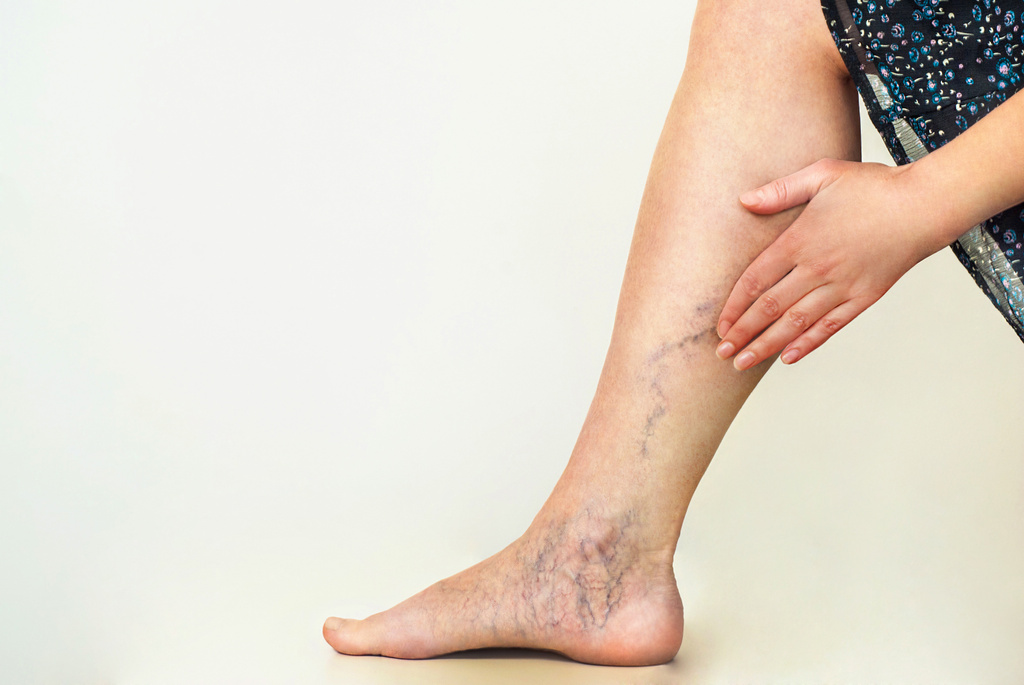
Varicose Veins: A Common but Often Ignored Concern
While vein health might not be the first thing that comes to mind in women’s wellness, it plays an important role in overall circulation and comfort. Varicose veins—those enlarged, twisted veins visible under the skin—are especially common among women.
Several factors contribute to varicose veins, including:
- Hormonal changes: Pregnancy, menopause, and birth control use can affect vein elasticity.
- Genetics: A family history of vein disease increases the likelihood.
- Prolonged sitting or standing: Occupations that involve long hours in one position can strain the veins.
- Pregnancy: Increased blood volume and pressure on leg veins make varicose veins more common among expecting mothers.
Although varicose veins are often viewed as a cosmetic issue, they can cause symptoms such as:
- Aching or heaviness in the legs
- Swelling around ankles and calves
- Itching or discoloration near affected veins
- Fatigue and restlessness after long periods of standing
Over time, untreated vein problems can lead to complications like ulcers or chronic venous insufficiency. That’s why seeking medical attention early is crucial.
Consulting a qualified vein doctor in Spring Hill can help identify underlying issues and recommend personalized treatment options. Advanced vein specialists offer minimally invasive procedures such as endovenous laser treatment, sclerotherapy, or radiofrequency ablation—all of which can relieve pain and restore healthy circulation.
Taking care of your vein health isn’t just about appearance—it’s about improving comfort, energy, and overall wellness so you can move freely and confidently every day.
6. Reproductive and Bone Health
Women’s reproductive health deserves consistent attention through all life stages. Regular pelvic exams, pap smears, and mammograms are essential preventive measures.
After menopause, declining estrogen levels can also lead to osteoporosis, making bones fragile. To maintain bone density:
- Eat foods rich in calcium and vitamin D.
- Incorporate weight-bearing exercises like walking or resistance training.
- Avoid smoking and limit caffeine intake.
Strong bones support mobility and independence well into later years.
7. Regular Checkups: Prevention Over Cure
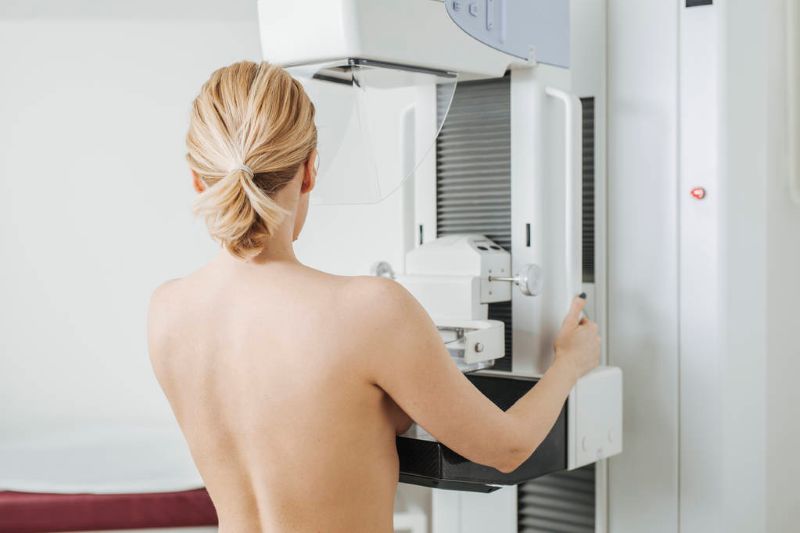
Preventive care is one of the most powerful tools in women’s health. Routine checkups and screenings allow early detection of conditions such as breast cancer, diabetes, or thyroid disorders.
Keep a schedule of essential exams like:
- Annual physical and blood work
- Mammogram (as recommended by your doctor)
- Pap smear and pelvic exam
- Skin and dental checkups
- Eye and hearing tests
Regular monitoring ensures your body stays balanced and your health goals stay on track.
8. Self-Care as a Form of Strength

Many women carry guilt when they slow down or take time for themselves, but self-care isn’t indulgence—it’s maintenance. A rested, nourished, and emotionally balanced woman is more capable of caring for others and achieving her own goals.
Whether it’s a quiet morning walk, reading, skincare, or meditation, treat self-care as a daily ritual that fuels your energy and joy.
9. Staying Connected and Empowered
Social connections improve emotional resilience and even physical health. Join women’s circles, wellness communities, or local fitness groups to stay inspired. Sharing experiences, challenges, and victories creates a sense of belonging and empowerment.
Empowered women make empowered choices—and that includes making health a priority.
Conclusion
Women’s health encompasses so much more than regular checkups—it’s about listening to your body, caring for your mind, and nurturing your spirit. From maintaining heart and hormonal balance to protecting vein health, every aspect of well-being matters.
Remember: investing in your health is the greatest form of self-love. When women take care of themselves, they not only thrive individually—they uplift their families and communities too.
 Kim Monroe
  Hailey Reynolds