
4 min read
726 words
When the temperature drops and frosty mornings become the norm, the urge to swap your running shoes for a warm blanket can be overwhelming. But exercising in the cold can be one of the most invigorating and rewarding experiences—if you do it right. The crisp air can feel amazing, and you’ll get a powerful mood boost that’s hard to beat. Don’t let winter win the battle for your fitness routine. With a little preparation, you can continue to enjoy your favorite outdoor activities safely and comfortably. Here are five essential tips to cold-proof your workout.
1. Master the Art of Layering
This is the golden rule of cold-weather exercise. Dressing in layers allows you to trap body heat effectively while giving you the option to remove a layer if you start to overheat. Forget that one bulky cotton sweatshirt; think in threes:
- Base Layer: This is the layer against your skin. Its job is to wick sweat away to keep you dry. Choose synthetic fabrics like polyester or natural fibers like merino wool. Avoid cotton at all costs, as it holds moisture and will make you feel colder once you start sweating.
- Mid Layer: This is your insulation layer. It should trap warm air to keep you toasty. Fleece or a light down vest works perfectly.
- Outer Layer: This is your shield against the elements. It should be windproof and water-resistant to protect you from wind, rain, or snow. Look for a lightweight shell jacket with good ventilation.
2. Don’t Skip the Warm-Up (Seriously)
Warming up is always important, but it’s non-negotiable in the cold. Your muscles, tendons, and ligaments are less flexible in lower temperatures, making them more susceptible to sprains and strains.
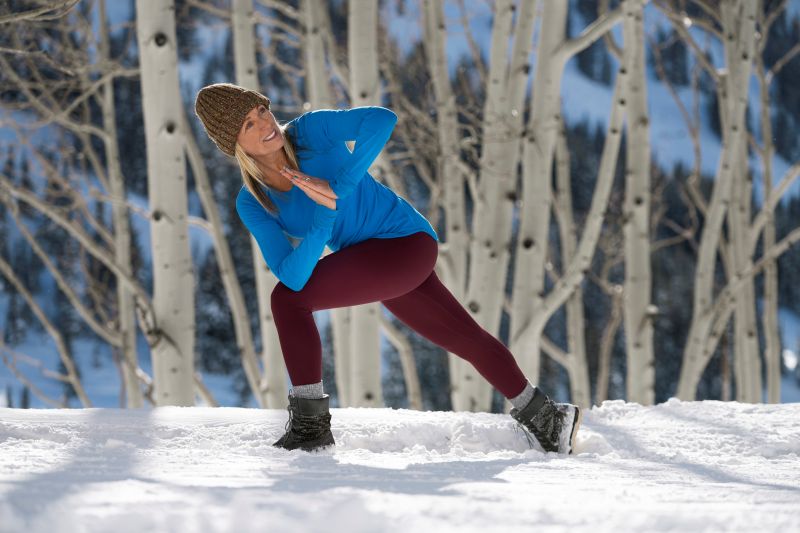
Instead of stretching cold muscles, start with 5-10 minutes of dynamic movements to increase your heart rate and warm your body from the inside out. Do this indoors before you even step outside. Think high knees, butt kicks, arm circles, and leg swings. This will prepare your body for the work ahead and make that initial blast of cold air far less shocking.
3. Protect Your Extremities

Your body is smart. When it gets cold, it prioritizes keeping your core warm by reducing blood flow to your extremities—your hands, feet, head, and ears. That’s why these areas are often the first to feel the chill.
- Head and Ears: A significant amount of body heat is lost through your head. Wear a moisture-wicking hat or a headband that covers your ears.
- Hands: Insulated, wind-proof gloves or mittens are a must. Mittens are often warmer than gloves because they keep your fingers together, generating more heat.
- Feet: Wear moisture-wicking socks (again, no cotton!) made of wool or a synthetic blend to keep your feet dry and warm. Ensure your shoes have good traction if you might encounter ice or snow.
4. Hydration is Still Key
It’s easy to forget to drink water when you’re not sweating buckets under a hot sun. However, you still lose fluids in the cold through your breath (that steam you see is water vapor) and sweat. Dehydration can sneak up on you faster in winter and can hinder your body’s ability to regulate its temperature.
Make sure you drink water before, during, and after your workout, just as you would in the summer. If you’re out for a longer session, consider carrying your water in an insulated bottle to prevent it from getting too cold.
5. Be Smart About Safety and Visibility
Winter means shorter days and often less-than-ideal conditions. Your safety plan needs a seasonal adjustment.
First, always check the forecast, paying close attention to the wind chill. Wind can make the air feel significantly colder than the actual temperature, increasing your risk of frostbite. If the conditions are dangerously cold or icy, take your workout indoors.
Second, with fewer daylight hours, you’re more likely to be running or cycling in the dark. Wear bright colors and reflective gear to ensure you are visible to drivers and others. A headlamp or flashing light is also a great idea for early morning or evening workouts.
Don’t let a little cold weather derail your fitness goals. By layering up, warming up properly, and being mindful of your safety, you can embrace the season and discover the unique joy of a winter workout.
 Rose DesRochers
  Lynn Leblanc
  Kim Monroe