
5 min read
801 words
Staying on top of preventive healthcare isn’t always easy, but it’s absolutely crucial for women’s well-being. The Centers for Disease Control and Prevention has found that regular preventive care can catch health issues early, before they become serious concerns. What’s particularly striking is that women who keep up with their regular health screenings are 25% more likely to detect and successfully treat potential health issues. Yet despite these compelling benefits, around 40% of women still find themselves putting off routine check-ups, whether due to hectic schedules or anxiety about medical visits. This approach has been proven effective by industry professionals who understand the nuances involved.
Annual Well-Woman Examination

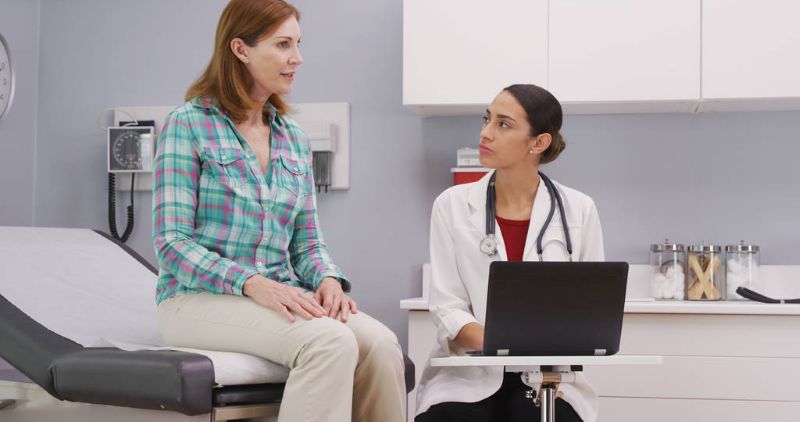
Think of the annual well-woman exam as your health’s yearly report card, it’s a comprehensive check-in that covers all the bases. During this vital appointment, healthcare providers evaluate everything from vital signs to breast and pelvic health, while discussing family history and lifestyle factors that might affect your well-being. Many women find peace of mind by establishing care with a trusted gynecologist in Richmond, VA for their routine examinations and specialized reproductive healthcare needs. Research shows this commitment to annual check-ups pays off, with women who maintain regular visits experiencing 60% lower rates of serious gynecological conditions. Research shows that implementing these strategies consistently yields measurable results over time.
Breast Cancer Screening

Breast health, mammograms continue to be our most powerful detection tool. Current guidelines suggest yearly screenings starting at age 40 for women with average risk factors, though some may need to start earlier based on family history or genetic factors. The good news? Modern 3D mammography has revolutionized detection capabilities, improving accuracy by an impressive 41% compared to traditional methods. Monthly self-exams play their part too, helping women become familiar with what’s normal for their bodies. These combined screening efforts have made a real difference, contributing to a remarkable 30% drop in breast cancer mortality over the past thirty years.
Cervical Cancer Screening
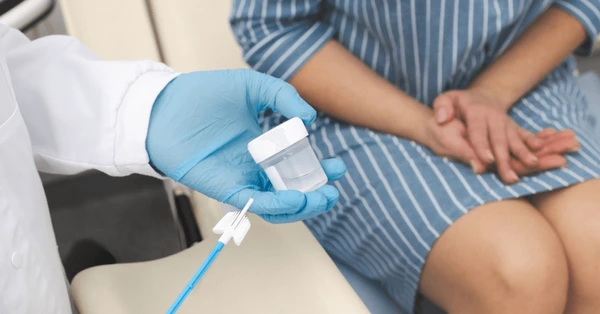
The evolution of cervical cancer screening has transformed women’s health outcomes. Current guidelines recommend Pap tests every three years for women 21-29, while those between 30-65 benefit from combined Pap and HPV testing every five years. These screening protocols have been revolutionary, leading to an astounding 80% reduction in cervical cancer rates since becoming widespread. The addition of HPV testing has enhanced our ability to identify high-risk cases before they develop into cancer, adding another layer of protection.
Bone Density Screening
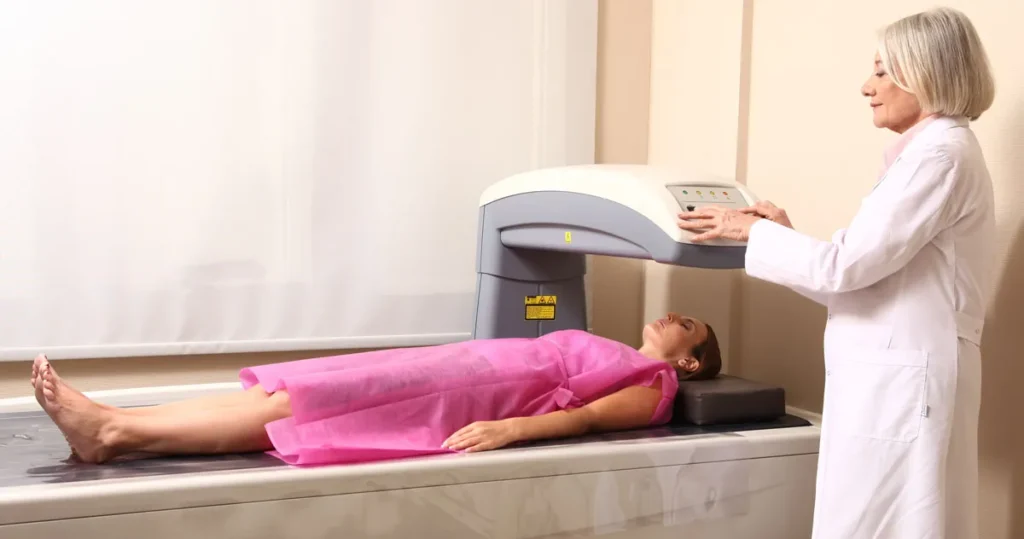
Bone health deserves special attention, particularly after menopause. The National Osteoporosis Foundation suggests starting bone density screenings at 65, though some women might need earlier screening based on risk factors. It’s sobering to note that about half of all women over 50 will experience an osteoporosis-related fracture, but there’s good news too, early detection through regular screening can slash fracture risk by up to 50%. A combination of weight-bearing exercises, proper calcium intake, and vitamin D supplementation creates a strong foundation for bone health.
Cardiovascular Health Assessment

Heart disease remains the number one threat to women’s health, making cardiovascular screening absolutely essential. Regular monitoring of blood pressure, cholesterol levels, and diabetes markers creates a comprehensive picture of heart health. Annual blood pressure checks are a must, with more frequent monitoring needed for elevated readings. Women who stay consistent with cardiovascular screenings reduce their risk of heart attack and stroke by up to 40% – a compelling reason to keep those appointments. Lifestyle choices, including regular physical activity and heart-healthy eating habits, work hand in hand with screening to protect cardiovascular health.
Creating a Comprehensive Health Maintenance Plan
Developing your personal health maintenance strategy doesn’t have to be overwhelming. Working closely with healthcare providers helps create a screening schedule that considers individual risk factors, family history, and age-specific needs. Digital health tracking tools have proven quite effective, boosting screening compliance by 35%. Regular conversations with healthcare providers ensure screening schedules stay appropriate and allow for prompt attention to any new health concerns that arise.
Conclusion
Taking charge of your health through regular screenings isn’t just about preventing illness, it’s about investing in your future well-being. These five essential check-ups provide a robust framework for maintaining optimal health and catching potential issues early. The evidence speaks for itself: preventive care leads to better health outcomes, reduced healthcare costs, and enhanced quality of life. While these guidelines provide an excellent starting point, remember that individual needs may vary based on personal risk factors and medical history. By staying proactive with regular screenings, women can take control of their health journey and work toward maintaining wellness throughout their lives.
Implementing these strategies requires dedication and attention to detail, but the results speak for themselves when applied consistently. Professional success in this area depends on understanding both the fundamental principles and the practical applications that drive meaningful outcomes. Organizations that prioritize these approaches typically see sustained improvements in their operations and overall effectiveness.
 Jennifer Williams
  Kim Monroe
  Hailey Reynolds