
Poker Strategies for Women: Tips to Improve Your Game
4 min read
782 words
Poker has long been viewed as a male-dominated game, but that perception continues to change. More women are taking their seats at poker tables, competing in major tournaments, and proving that success comes from skill, strategy, discipline, and decision-making. Becoming a stronger poker player is not about playing louder or trying to imitate someone else’s style. It is about understanding the game, improving your decisions, developing confidence, and finding a strategy that works for you.
Master the Basics of Poker
Before developing advanced strategies, it is important to understand the fundamentals of the game.
This includes learning:
- Poker hand rankings
- Different variations of poker
- Common poker terminology
- Betting structures
- Basic table etiquette
Poker is not simply a game of luck. While chance plays a role in individual hands, long-term success comes from making better decisions with the information available.
Important concepts to understand include:
- Position: Your location at the table and how it affects your decisions.
- Pot odds: Comparing the cost of a call with the potential reward.
- Starting hands: Understanding which hands are worth playing and when to fold.
Practice and Improve Your Poker Skills
Like any skill, poker improves through practice and analysis. Online poker platforms, training resources, and practice games can help players gain experience in a comfortable environment.
New players often benefit from starting with low-stakes games or practice sessions. This allows them to focus on learning strategy without placing unnecessary pressure on results.
Reviewing previous hands, studying different playing styles, and learning from mistakes are important parts of becoming a stronger player.
Learn From Successful Women in Poker
Many women have made significant contributions to poker and provide valuable examples of strategic thinking and discipline.
Vanessa Selbst

Vanessa Selbst is one of the most successful female tournament poker players in history. She earned millions in live tournament winnings, won three World Series of Poker bracelets, and became the first woman to reach the top position in the Global Poker Index rankings.
Her career demonstrates the importance of confidence, preparation, and aggressive decision-making when appropriate.
Kristen Foxen
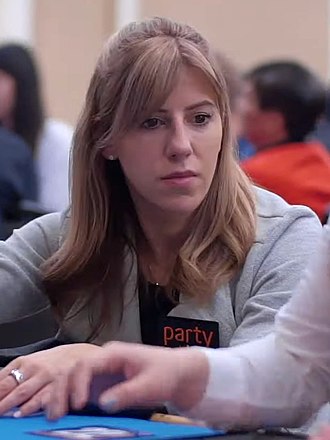
Kristen Foxen has become one of the most accomplished active female poker players. Known for her consistency and adaptability, she has achieved success across major tournament formats and high-level competition.
Her career highlights the value of patience, discipline, and continuous improvement.
Liv Boeree
Liv Boeree brought a unique approach to poker by combining strategic thinking with concepts from science and game theory. Along with major tournament success, she has used her platform to discuss decision-making, probability, and strategy.
Studying successful players can help anyone improve by understanding concepts such as hand selection, emotional control, and table awareness.
Build Confidence at the Poker Table
Confidence is an important part of poker, but true confidence does not come from being the loudest player at the table. It comes from trusting your preparation and making thoughtful decisions.
Strong players understand when to:
- Fold a weak hand
- Make a calculated bluff
- Apply pressure when the situation is right
- Walk away from unnecessary risks
Confidence grows through experience. Each game provides an opportunity to learn and improve.
Play to Your Own Strengths
One common mistake new players make is trying to copy someone else’s style. While learning from experienced players is valuable, every player develops their own approach over time.
Successful poker players often share qualities such as:
- Patience
- Observation skills
- Emotional control
- Ability to adapt
The best strategy is one that fits your personality, experience level, and understanding of the game.
Develop a Strong Mental Game
Poker is not only about cards. Managing emotions and staying focused are essential skills.
Players should learn to avoid:
- Making decisions based on frustration
- Chasing losses
- Playing beyond their limits
- Allowing emotions to influence strategy
A calm and disciplined mindset can be just as important as technical knowledge.
Responsible Poker Habits
Responsible play is an important part of enjoying poker. Good habits include:
- Setting a budget before playing
- Understanding personal limits
- Taking breaks when needed
- Viewing poker as entertainment rather than guaranteed income
Final Thoughts
Women continue to make their mark in poker by developing strong strategies, competing at the highest levels, and helping change the perception of who belongs at the table.
The strongest poker players are not defined by gender. They are defined by preparation, decision-making, discipline, and the ability to adapt.
Whether you are a beginner learning the basics or an experienced player looking to improve, the path to becoming a better poker player starts with knowledge, practice, and confidence.
Disclaimer: This article is for educational purposes only. Poker involves financial risk, and success is never guaranteed. Players should set personal limits, understand the risks involved, and only participate with money they can afford to lose.