
5 min read
948 words
Attending an Indian wedding is a vibrant, multi-day celebration filled with opulent décor, intricate rituals, and unforgettable food. While the experience is exhilarating, the dress code can often feel daunting, especially for guests new to the traditions. If you’ve received an invitation and are wondering how to balance traditional elegance with modern comfort, this guide is your definitive resource. We break down the best Indian wedding attire options, event-specific styling rules, and smart strategies for renting high-end outfits without the commitment of a purchase.
Deciphering the Dress Code: Top Attire Choices for Female Guests
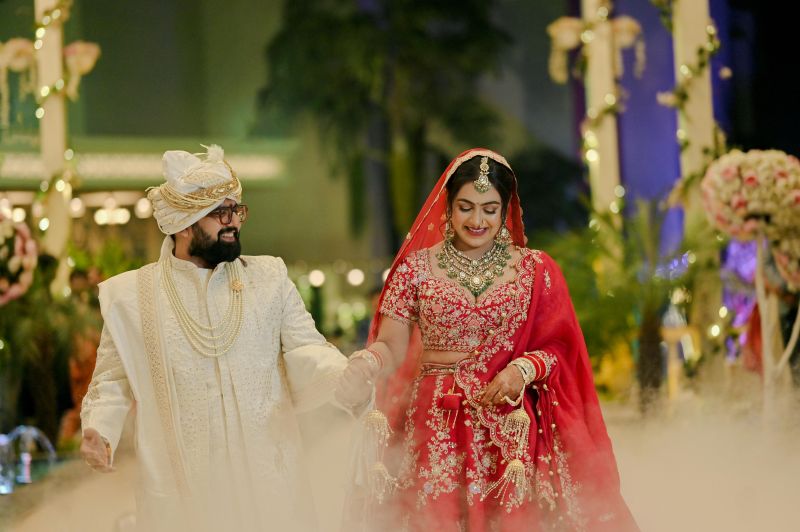
Indian wedding attire is characterized by rich fabrics, detailed embroidery (like Zari, Chikankari, or mirror work), and stunning color palettes. Unlike Western ceremonies, traditional Indian weddings embrace color and shine.
Here are the three most popular and appropriate attire choices for female guests:
1. The Regal Choice: The Lehenga Choli
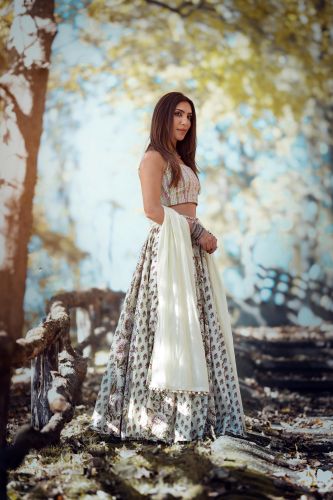
The Lehenga Choli is arguably the most favored outfit for wedding guests today. It is a three-piece ensemble comprising:
- The Lehenga: A long, intricately embroidered skirt that is often voluminous.
- The Choli: A fitted, midriff-baring blouse.
- The Dupatta: A long scarf draped over the shoulder or head.
Why Choose It? Lehengas offer incredible versatility and are perfect for a grand look at major events like the reception or the main Phere ceremony. They are generally easier to manage and move in than a Saree.
2. The Classic Staple: The Saree (Sari)
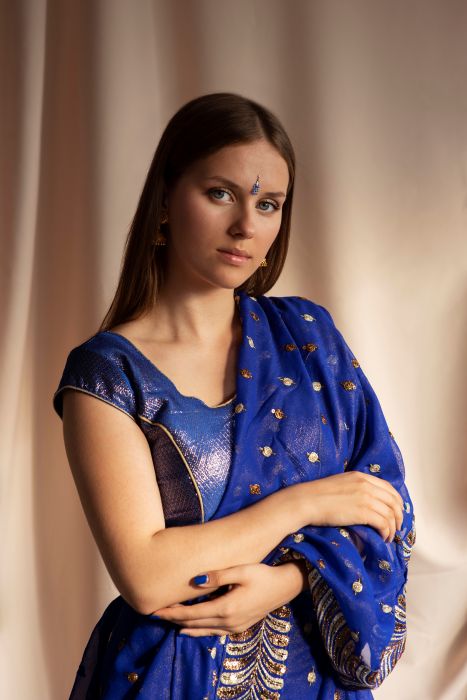
The Saree remains the epitome of Indian grace. This unstitched length of fabric (typically 5 to 9 yards long) is expertly draped over a blouse (choli) and petticoat.
Why Choose It? Sarees are timeless and work for any occasion, from a small daytime ritual to the most formal evening reception. Choose a heavier silk, velvet, or georgette Saree for a formal evening look, or a lightweight tissue Saree for daytime ceremonies.
Pro Tip: If you are unfamiliar with draping a Saree, consider pre-stitched or ready-to-wear options available through rental services. These offer the traditional aesthetic without the draping challenge.
3. Comfort and Contemporary Style: The Salwar Kameez and Anarkali
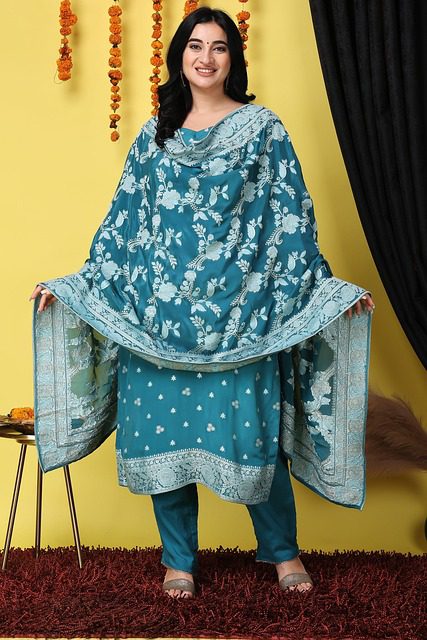
For guests prioritizing comfort and ease of movement, two excellent alternatives exist:
- The Salwar Kameez: A classic outfit consisting of fitted trousers (salwar or churidar), a long tunic (kameez), and a dupatta. This is ideal for pre-wedding functions like the Mehndi or Sangeet.
- The Anarkali Suit: A regal variation where the tunic is floor-length and fitted at the bust, flaring out dramatically below. Anarkalis provide a royal look while offering more coverage and ease than a Lehenga.
Event-Specific Styling: Tailoring Your Look to the Function
An Indian wedding typically involves multiple ceremonies, each with a different mood and dress requirements.
| Event | Recommended Attire & Style | What to Avoid |
|---|---|---|
| Sangeet (Musical Night) | Bright colors, playful silhouettes. Flowing Anarkalis, lightweight Lehengas, or heavily embroidered Salwar suits. Focus on comfort for dancing. | Heavy silks or extremely restrictive drapes. Dark, muted colors. |
| Mehndi (Henna Ceremony) | Casual, comfortable attire that leaves your hands/arms accessible. Choose shorter sleeves or sleeveless items. Bright yellows, greens, and pinks. | White or black (traditionally seen as mourning colors, though black is sometimes acceptable at the reception). |
| Wedding Ceremony (Phere) | Traditional and formal. Heavy Saree, detailed Lehenga, or opulent Anarkali. Ensure your shoulders and head are appropriately covered if attending a temple ceremony. | Red (unless confirmed otherwise). In many traditions, red is reserved solely for the bride. |
| Reception | Modern glamour. This is the time for maximum sparkle! Floor-length gowns (if preferred over traditional wear), sequined Lehengas, or jewel-toned Sarees. | Overly casual jumpsuits or basic cotton prints. |
Smart Dressing: What to Consider When Renting Indian Wedding Attire
Indian wedding outfits are masterpieces, often costing thousands of dollars—a significant investment for a single-use garment. Renting traditional attire is a sustainable, cost-effective, and practical choice that allows guests to wear designer quality without the financial burden.
As a general or non-Indian guest, renting also provides access to expert advice on styling and appropriate traditional looks.
Key Considerations When Renting Indian Attire
- Understand the Measurements: Unlike Western sizing, traditional wear often requires detailed measurements, especially for the choli (blouse) or customized tailoring for the Lehenga waist. Ensure the rental service offers minor adjustments.
- Inspect the Condition and Hygiene: Always confirm the rental company adheres to stringent cleaning and sanitization protocols. Check photos carefully for signs of wear, loose beads, or stains before booking.
- Factor in Accessories: High-quality traditional outfits require statement jewelry (earrings, bangles, necklaces). A comprehensive rental package should offer coordinated jewelry sets.
- Note: For men, renting high-quality Sherwanis or Bandhgala suits is equally accessible, offering a polished look without the cost.
- Confirm the Rental Period and Shipping: Indian weddings are often multi-day events. Ensure your rental period covers all required functions, including buffer time for shipping and returns.
Essential Guest Etiquette and Styling Tips
- Respect Color Tradition: As noted, avoid white (except for the bride’s traditional white Christian wedding) and black at the main ceremony. Always avoid deep reds or maroon, as these are bridal colors.
- Accessorize Boldly: Indian fashion embraces heavy, ornate jewelry. Don’t be shy about wearing detailed jhumkas (bell earrings) or stacked bangles.
- Mind the Weather: If the wedding is outdoors (like a beach wedding or a winter function), consider the fabric. Heavy silks are ideal for winter; lighter georgettes and chiffons work well for summer.
- Footwear: Comfort is key across multiple long functions. Consider embellished flat sandals, wedges, or dressy block heels, as you may be standing or dancing on tricky terrain (lawns, carpeted mandaps).
Renting your perfect Indian wedding attire allows you to participate fully in the joyous celebration while looking spectacularly elegant. Start browsing trusted rental collections today, and prepare to immerse yourself in the beauty of Indian culture!
 Emma Lee Scott
  Lynn Leblanc