
4 min read
740 words
Wedding planning is a journey filled with excitement, creativity, and, admittedly, a few challenges. At the heart of it all is the desire to create a memorable experience that reflects you as a couple. Whether your dream is a grand, formal affair or an intimate, relaxed gathering, a key element to success is ensuring the entire event feels cohesive and that everyone involved looks and feels their best. While choosing a wedding theme and color palette are fantastic starting points, they are just the first brushstrokes on a much larger canvas. A truly unforgettable wedding aesthetic is built upon a foundation of thoughtful decisions that go far beyond the initial mood board. Let’s explore how to move from a broad vision to the specific details that create a polished and harmonious look for your special day.
Defining Your Wedding’s Core Vibe
Before you can decide on attire or decor, you need to define the overall feeling, or “vibe,” of your wedding. This is the guiding principle for every choice you’ll make. Ask yourselves: how do we want our day to feel? The answer will dictate the level of formality.
- Formal & Traditional: Think black-tie, classic elegance, and refined details. This vision might lead you to a ballroom venue, a structured gown, classic tuxedos, and elegant, monochromatic floral arrangements.
- Casual & Relaxed: This could mean rustic, bohemian, or beachy. The atmosphere is laid-back and personal. Venues might include a barn, a backyard, or a beachfront. Attire is less structured—think flowy dresses, linen suits, and wildflower bouquets.
- Modern & Chic: This style is clean, minimalist, and sophisticated. It often involves unique architectural venues, simple yet striking attire, and a focus on geometric shapes and uncluttered design.
Once you have established this core vibe, it becomes your North Star, making subsequent decisions clearer and more intentional.
Translating the Vision into Attire
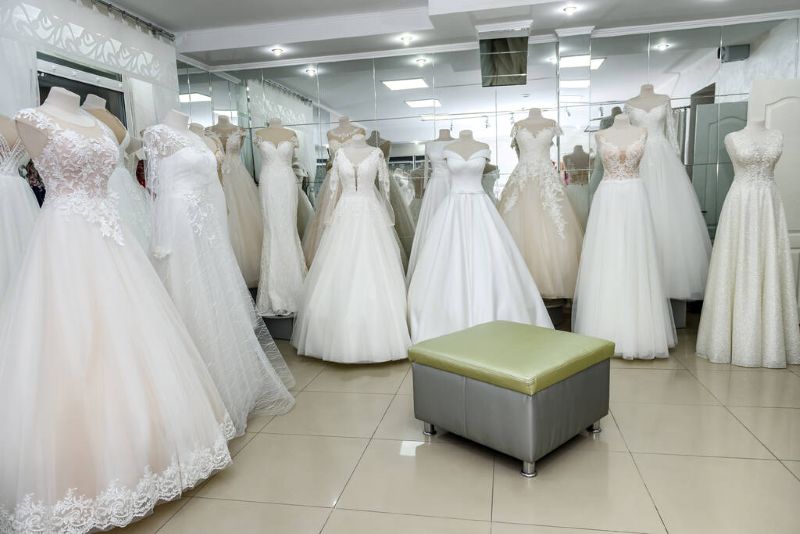
With a clear vision in place, you can begin to plan the attire—not just for you, but for everyone involved. The goal is coordination, not necessarily exact matching.
- The Couple: Your outfits are the centerpiece of the wedding’s style. A couture ballgown immediately signals formality, while a sleek, simple sheath dress or a stylish jumpsuit can set a more modern or casual tone. Your attire should be the ultimate expression of the day’s vibe.
- The Wedding Party: This is your chance to create a beautiful, unified picture. Consider giving your wedding party a specific color palette and fabric and allowing them to choose a style that best suits them. This modern approach ensures everyone is comfortable and confident while still looking cohesive. For a more formal event, classic, identical dresses or tuxedos remain a timeless choice.
- The Guests: Help your guests participate in your vision by clearly stating the dress code on your invitations or wedding website. Simple guidance like “Black-Tie Optional,” “Cocktail Attire,” or “Garden Party Casual” removes guesswork and ensures guests feel appropriately dressed for the occasion you have so carefully planned.
The Details That Tie It All Together
The most memorable weddings are often distinguished by their thoughtful details. These smaller elements are what elevate your wedding from a pretty event to a cohesive, immersive experience where every component feels connected.
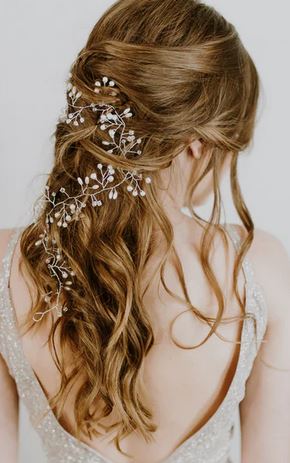
- Hair and Makeup: Your styling should complement your attire and the wedding’s formality. A classic updo and a bold lip pair perfectly with a traditional wedding, while loose waves and natural-looking makeup are ideal for a bohemian or beachside ceremony.
- Florals and Boutonnieres: Flowers are a powerful tool for reinforcing your theme and color palette. The type of flower, the style of the arrangements, and the ribbon used to tie it all together should all echo your core vibe. A tightly packed bouquet of roses reads very differently from an airy arrangement of wildflowers and greenery.
- Stationery and Signage: Your invitation suite is the first impression guests will have of your wedding. The font, paper quality, and design should align with your vision. Carry this style through to your day-of-stationery, like ceremony programs, place cards, and menus, for a seamless look.
Ultimately, wedding planning aesthetic is about telling a consistent story. By moving beyond the basics of theme and color and focusing on how your vision translates into attire and details, you create an atmosphere that is not only beautiful but also authentically you. This thoughtful approach is what transforms a wedding into an unforgettable, cherished experience for you and every one of your guests.
 Lynn Leblanc