
5 min read
805 words
Many couples notice that style choices for gowns appear to change in steady cycles, and the current year seems to present shifts that are practical to understand. The updates usually reflect small adjustments in shape, fabric, and wearability, which might align with different venues or timelines. You could consider how these elements work together rather than treating them separately. A measured view helps you compare options and plan fittings without pressure while keeping preferences realistic.
Silhouettes moving toward structure and ease
Silhouette changes for 2025 lean toward a balance where shape and movement are both considered carefully. There is ongoing interest in fitted bodies that support posture, while skirts often allow easier walking and sitting, which could make long schedules feel more manageable. Designers usually revisit corsetry, Basque lines, and defined hips in ways that coordinate with modern closures and lighter internal construction. You might see trains adjusted to moderate lengths that still read formal, depending on aisle and space needs. Shorter hemlines for secondary events appear in capsule planning, and these pieces can be practical when schedules include travel. The aim is not extreme volume or tightness but a steady fit that holds its form without frequent corrections during photos or transitions.
Textures, color, and surface detail shifts
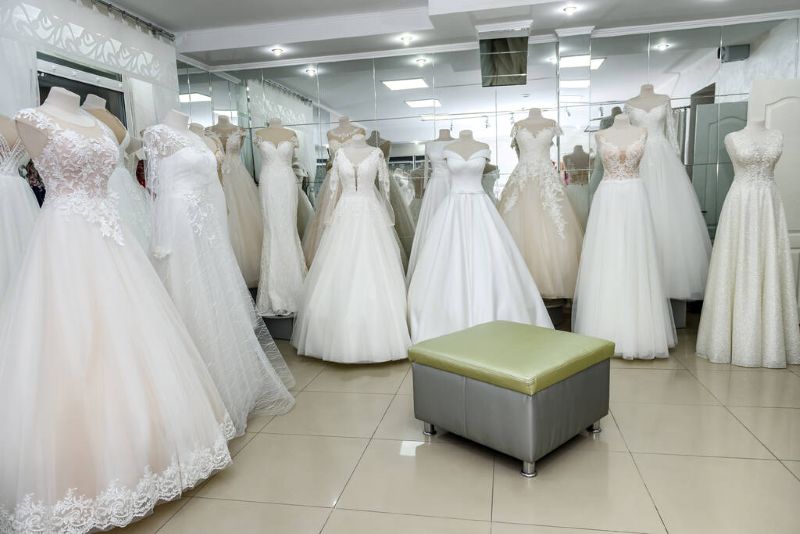
Surface details this season are generally placed to emphasize structure without adding heavy weight, and this approach keeps garments calm across different lighting. Textures such as jacquard, micro-pleats, or controlled ruching may create depth, while small metallic threads or pearls are used in measured ways that photograph consistently. Color choices often include soft tones near ivory that read clean indoors and outdoors, with selective pastel accents appearing in linings or detachable elements. If you live in the area, bridal shops in Greenville, SC, provide edited selections that match these directions and arrange fittings that verify how textures sit under indoor lights. Embroidery placements are tested for friction at seams and waist points, and fabric swatches are checked against veil materials, so the final look stays coordinated. These steps support clarity without visual overload.
Necklines, sleeves, and coverage choices
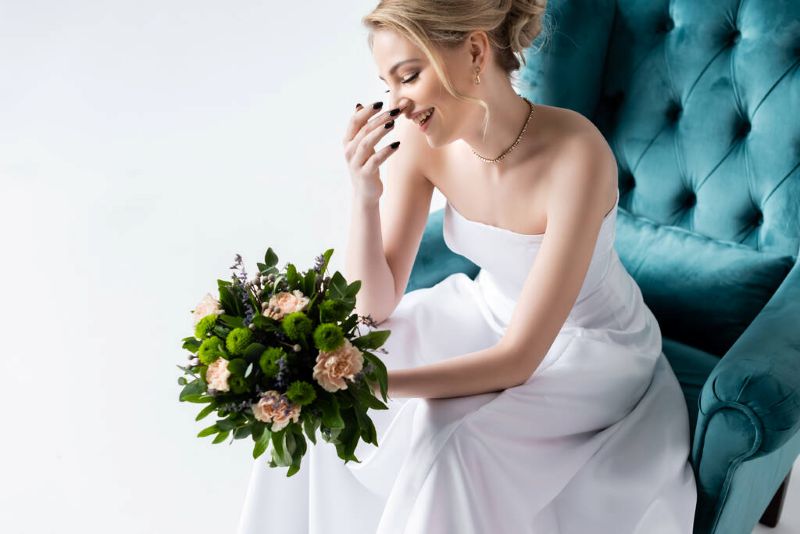
Updates to necklines and sleeves usually aim to simplify the frame around the face while keeping support secure for long wear. Square and gentle scoop shapes could be common because they align with straight straps and structured cups, while off-shoulder designs might include hidden elastic or tabs that prevent slipping during movement. Sleeve choices often include slim long sleeves, clean short sleeves, or removable pieces that match the base fabric, and these allow gradual changes across the day. Back coverage shifts between closed, keyhole, and sheer panels, and placement of fastening points is tested to avoid strain. You could confirm bra compatibility early, since alterations become easier when foundations are stable. When these areas are aligned with comfort, accessories and veils integrate smoothly without competing for attention.
Convertible elements and multi-look planning
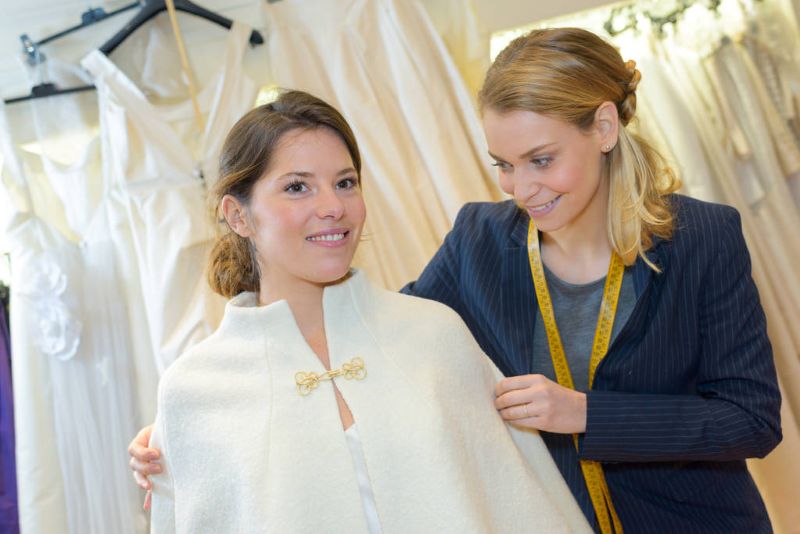
Many gowns have features that may be added or removed to fit the timetable, reducing the requirement for a second dress. Modest capes, light toppers, and sleeve sets attach with small hooks under trim lines, while detachable overskirts clip along stable waist seams. You might plan a clear order for removing pieces, since quick changes usually happen between the ceremony and the reception and require simple steps. Belts or sashes can define proportion for photos and then be swapped for dancing, and buttons or loops are checked so they do not snag when moving through crowds. This approach supports a consistent style story, yet it still offers variety, which can be helpful when venues and lighting conditions shift across the event.
Elements that seem to be fading this year
Certain features appear less visible in current collections, and the change may relate to practicality as well as styling. Very heavy layers that require constant bustling often move aside for lighter structures that still carry shape, while oversized appliqués that catch on seating or décor are being reduced. Ultra-plunging necklines without internal support could be less common because they limit motion and complicate foundations, and extremely long trains usually shift to manageable lengths that keep edges clean. You could also see fewer extreme mermaid cuts that restrict stride, since many schedules include stairs or outdoor paths. These adjustments do not remove drama, but they aim for reliability during hours of standing, greeting, and moving, which is usually the deciding factor when fittings progress.
Conclusion
Planning for a 2025 gown may work best when you focus on shapes that support movement, textures that photograph clearly, and small pieces that adjust during the day. The emphasis often goes to fit and coordination rather than excess detail. A general recommendation is to test the structure first, confirm comfort through a staged fitting plan, and then add measured accents. This path usually leads to a stable and personal result.
 Lynn Leblanc