
9 min read
1662 words
The shimmering white landscapes, the exhilaration of carving down a pristine slope, the crisp air filling your lungs – winter sports offer a unique blend of adventure and breathtaking beauty. Whether you’re a seasoned skier, a snowboarding enthusiast, a cross-country skiing trailblazer, or a skater gliding across a frozen pond, the allure of winter sports is undeniable. However, as much as we love the thrill, it’s crucial to acknowledge that these activities, while incredibly rewarding, also come with a set of risks. Understanding these potential for winter sports injury is the first step towards enjoying your favorite activities with peace of mind and, most importantly, with your body intact. This comprehensive guide is designed for you, the active adult, who wants to maximize your enjoyment of winter while minimizing the chances of a painful setback. We’ll delve into the common risks, explore how they happen, and, most importantly, equip you with practical, actionable strategies for protection. So, grab a warm beverage, settle in, and let’s talk about staying safe and active this winter.
The Chill Factor: Common Winter Sports Injuries and How They Happen
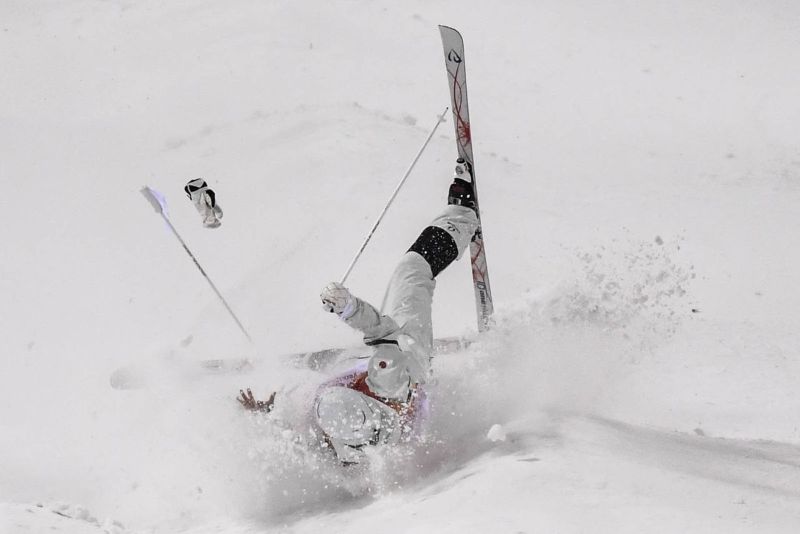
Winter sports, by their very nature, involve speed, balance, and often, the potential for falls. This combination can lead to a variety of injuries. Let’s break down some of the most prevalent ones:
- Fractures: These are broken bones, and they’re common in high-impact sports like skiing and snowboarding. Falls, especially awkward twists or direct impacts, can easily cause fractures in limbs, wrists, ankles, and even collarbones. The speed involved can amplify the force of impact.
- Sprains and Strains: These injuries affect ligaments (sprains) and muscles/tendons (strains).
- Ankle Sprains: A classic skiing injury, often occurring when a ski edge catches and forces the ankle to twist unnaturally.
- Knee Ligament Injuries (ACL, MCL): These are particularly common in skiing and snowboarding. A sudden twist of the knee, especially when the foot is planted, can tear the anterior cruciate ligament (ACL) or medial collateral ligament (MCL). This can be a significant and often season-ending injury.
- Muscle Strains: Overexertion, sudden movements, or inadequate warm-up can lead to strains in the back, hamstrings, or quadriceps.
- Dislocations: This happens when a bone is forced out of its joint. Shoulder dislocations are common in falls where individuals instinctively put their hands out to break the fall.
- Head Injuries (Concussions): Collisions with other participants, trees, or hard surfaces, even from seemingly minor falls, can lead to concussions. These are especially concerning as they can have long-term implications if not managed properly.
- Hypothermia and Frostbite: While not “injuries” in the traditional sense, these are serious medical conditions that arise from prolonged exposure to cold temperatures. Hypothermia is a dangerous drop in body temperature, while frostbite is tissue damage caused by freezing. They are a significant risk for anyone spending extended time outdoors in cold conditions.
- Back Pain: The repetitive motions, awkward postures (especially in snowboarding), and the jarring of impacts can all contribute to or exacerbate back pain.
- Cold Injuries to the Hands and Feet: Beyond frostbite, prolonged exposure can lead to numbness, reduced circulation, and general discomfort in extremities.
Understanding the Contributing Factors:
- Speed and Impact: The faster you go, the greater the force of impact during a fall.
- Uneven Terrain and Ice Patches: Unexpected changes in snow conditions can catch even experienced athletes off guard.
- Collisions: Sharing slopes with others always carries a risk of accidental collisions.
- Fatigue: As you tire, your reaction time slows, your balance falters, and your ability to control your movements diminishes, increasing the likelihood of a fall.
- Improper Technique or Lack of Skill: Attempting activities beyond your current skill level without proper instruction is a recipe for disaster.
- Equipment Issues: Ill-fitting boots, improperly adjusted bindings, or worn-out equipment can significantly increase your risk.
- Environmental Conditions: Poor visibility due to fog or heavy snow, extreme cold, or high winds can all contribute to accidents.
Your Shield Against the Storm: Essential Protection Strategies
Now that we’ve addressed the risks, let’s focus on the most important part: how to protect yourself. A proactive approach to safety is the best defense against winter sports injuries.
1. Preparation is Paramount: Before You Even Hit the Snow
- Get in Shape: Winter sports are physically demanding. Build a strong foundation of cardiovascular fitness, strength training (especially for your core, legs, and upper body), and flexibility. This will improve your endurance, balance, and ability to withstand impact. Focus on exercises that mimic the movements of your chosen sport.
- For Skiing/Snowboarding: Squats, lunges, core exercises (planks, Russian twists), and calf raises are crucial.
- For Cross-Country Skiing: Endurance training and upper body strength for poling.
- Hydration and Nutrition: Proper hydration is vital, even in the cold. Dehydration can lead to fatigue and impaired judgment. Eat a balanced diet to fuel your body for sustained activity.
- Know Your Limits: Be honest about your skill level. Don’t attempt advanced slopes or maneuvers if you’re a beginner.
- Check the Forecast and Conditions: Always be aware of the weather and snow conditions. If visibility is poor or conditions are icy, consider a less demanding activity or postponing your outing.
2. Gear Up for Safety: The Right Equipment Matters
- Helmets: This is non-negotiable. A properly fitting, certified helmet is your best defense against head injuries. Ensure it’s designed for your sport and fits snugly.
- Eye Protection: Goggles or sunglasses are essential to protect your eyes from sun glare, wind, snow, and debris, and to improve visibility.
- Appropriate Clothing: Layering is key.
- Base Layer: Wicks moisture away from your skin (synthetic or merino wool).
- Mid Layer: Provides insulation (fleece or down).
- Outer Layer: Waterproof and windproof to protect you from the elements.
- Gloves/Mittens: Insulated and waterproof to keep your hands warm and dry.
- Warm Socks: Wool or synthetic to prevent blisters and keep feet warm.
- Skis and Snowboards: Ensure your equipment is appropriate for your skill level and properly maintained.
- Bindings: Crucial for safety, especially in skiing and snowboarding. Have them professionally adjusted to your weight, height, and ability level by a certified technician. They are designed to release your boots in a fall to prevent leg injuries. Never ignore binding recommendations.
- Boots: They should fit snugly and comfortably without pinching or being too loose. A good fit is essential for control and preventing ankle injuries.
- Poles (Skiing): Ensure they are the correct length.
3. On the Slopes: Practice Safe Habits
- Warm-Up: Never underestimate the importance of a good warm-up. Spend 5-10 minutes doing light cardio and dynamic stretching to prepare your muscles for activity.
- Stay in Control: Ski or ride at a speed that allows you to stop or avoid obstacles at any time. Be aware of your surroundings.
- Yield to Those Below: When you are skiing or snowboarding downhill, you have the right of way. It is your responsibility to avoid others who are ahead of you or downhill from you.
- Look Uphill Before Starting or Merging: Before starting downhill or merging onto a trail, look uphill to make sure you can do so safely without interfering with other skiers or snowboarders.
- Obey Signage and Warnings: Pay attention to trail closures, avalanche warnings, and other posted signs.
- Avoid Obstacles: Be aware of trees, rocks, and other hazards, especially when visibility is low.
- Take Breaks: Listen to your body. Fatigue increases your risk of injury. Stop and rest when you feel tired.
- Stay Hydrated and Fueled: Carry water and high-energy snacks, and take breaks to consume them.
- Buddy Up: It’s always safer to ski or snowboard with a friend. If you get injured, they can get help.
- Learn Avalanche Safety: If you are venturing into the backcountry, always take an avalanche safety course and carry the essential safety gear (transceiver, probe, shovel) and know how to use it. Check avalanche forecasts religiously.
4. After the Activity: Recovery and Care
- Cool-Down: After your activity, do some light stretching to help your muscles recover and reduce stiffness.
- Listen to Your Body: If you experience pain, don’t push through it. Rest, apply ice, and seek medical attention if the pain is severe or persistent.
- Proper Rehabilitation: If you do sustain an injury, follow your healthcare provider’s advice for rehabilitation. Returning to activity too soon can lead to re-injury or chronic problems.
Beyond the Basics: Specific Tips for Different Winter Sports
While many principles apply across all winter activities, some specific considerations are worth noting:
- For Skiers:
- Learn to Fall Safely: Practice falling to your side to avoid twisting your knees.
- Proper Boot Fit: Critical for ankle support and preventing injuries.
- Binding Settings: Ensure they are correctly adjusted by a professional.
- For Snowboarders:
- Balance and Core Strength: Essential for controlling the board.
- Wrist Guards: Highly recommended to protect against wrist fractures from falls.
- “Falling Leaf” Technique: Learning to control your descent by moving side-to-side can help manage speed and reduce the risk of tumbles.
- For Cross-Country Skiers:
- Endurance: This is a demanding aerobic activity.
- Pacing: Start slow and gradually increase intensity.
- Pole Technique: Proper technique can prevent shoulder and back strain.
- For Ice Skaters:
- Balance and Core Strength: Crucial for stability.
- Learn to Fall Gracefully: Falling on your side or bum is better than falling backward and hitting your head.
- Edge Control: Proper skate sharpening and learning edge control can prevent slips.
The Takeaway: Embrace the Winter with Confidence
Winter sports offer an incredible opportunity to stay active, connect with nature, and experience exhilarating challenges. By understanding the potential risks and implementing robust protection strategies, you can significantly reduce your chances of injury.
Remember, safety is not about being afraid; it’s about being prepared and making informed choices. Invest in good equipment, prioritize your physical conditioning, practice safe habits on the slopes, and always listen to your body.
This winter, embrace the magic of the snow with confidence, knowing that you’ve taken the necessary steps to enjoy your favorite activities to the fullest, safely and responsibly. Here’s to a season of adventure, exhilaration, and, most importantly, well-being!
Stay active, stay safe, and enjoy every moment of your winter adventures!
 Kayla Baptiste
  Lynn Leblanc
  Kate M