

3 min read
598 words
Renovation sites are hazardous due to the presence of live utilities, incomplete buildings, new materials, and overlapping trades. But existing situations might be disguised, changing, and fragile. The project should prioritize safety, not just list it as an afterthought. This keeps people safe, the program on schedule, and budgets from escalating incident costs. Careful shopping improves safety. Using certified, durable parts and clearly labelled temporary work items, such as concrete blocks from JP Concrete, for supporting hoardings or plant helps standardize techniques, reduce job site improvisation, and maintain controls across phases.
Assess Danger Before Landing
Create a pre-construction study to determine structure strength, load routes, risky materials, and live services. Intrusive checks and desktop assessments of old plans and permits can identify issues that could cause collapses, strikes, or leaks. Maintain a risk registry that includes responsible parties, residual risk rates, and specific controls, which the team can update as the site evolves.
Plan, Route, and Design for Safety
Create method lines and temporary work designs in conjunction with the software, not afterwards. Demolition and enabling should be done in a precise order to maintain structural stability. Avoid assumptions regarding arching or hidden lintels. Use tested supports, restraint frames, and tie-ins. Align delivery windows, cranes, and storage to reduce traffic and unsafe shortcuts.
Manage the Site’s Boundaries and Public Spaces
Renovations often occur in occupied streets or homes. Rated barriers, secured gates, and clear views of people and traffic protect the edges. Make distinct routes with illumination and tactile indicators. Display office hours and contact details. Let people know when activities will occur, and ensure they follow through to maintain trust and reduce the risk of unauthorized access when noise and dust can’t be prevented.
Manage Utilities and Environmental Risks
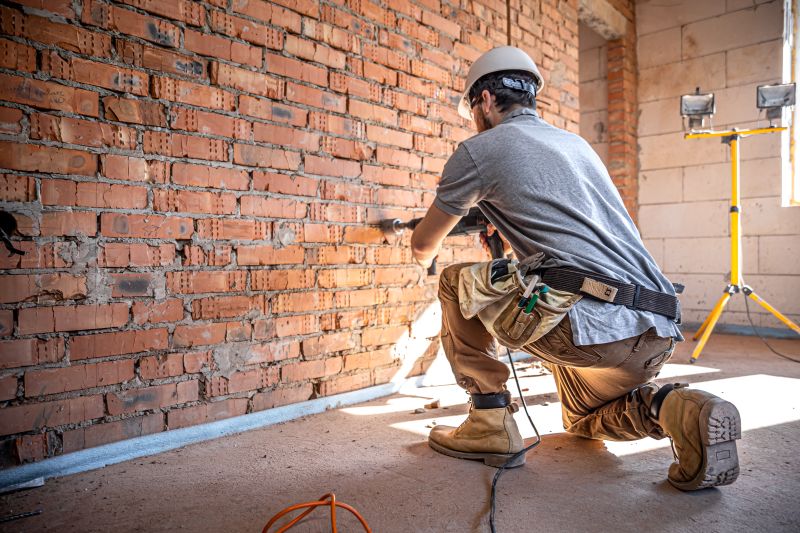
Isolating, heating, and small space jobs should be permitted to be done. Scan and drill controlled trial holes to verify service placements; never cut or drill into unknown materials. Control dust, silica, and VOCs by enclosures, wet methods, and extraction. Spill kits, fuel bunding, and strict garbage sorting standards help prevent environmental issues that increase safety risks.
Cleanup, Moving, and Plant Care
Design the laydown regions to ensure stable stacking and eliminate concerns about crushing. Keep entryways wide, level, and clear of leads and protrusions. List trolleys, forklifts, and lifts to reduce manual labour. Maintain the plant’s health with lockout/tagout and pre-use checks. Cleanliness reduces falls, fires, and obstructed egresses, not just for aesthetic reasons.
Skills, Briefings, and Culture
Competence underpins all controls. Ensure that freelancers are qualified and provide them with role-specific training. Daily task briefings should discuss layout changes, simultaneous actions, and weather implications. Near-miss reports should not blame anyone, and the acts should be visible. Supervisors must instruct workers on the proper use of PPE, the safe lifting of heavy objects, and adherence to guidelines. What leaders tolerate and reward shapes culture.
Watch, Learn, and Change
Safety evolves—track leading and lagging indicators, such as completed inspections, closed actions, and category-specific close calls. Conduct a concentrated review, amend the method statement, and brief the crews the same day after an event or a high-potential near miss. This method accelerates learning. Validate controls with images and notes, and recalibrate as walls and services disclose new threats.
Your Pre-Plan for Safety
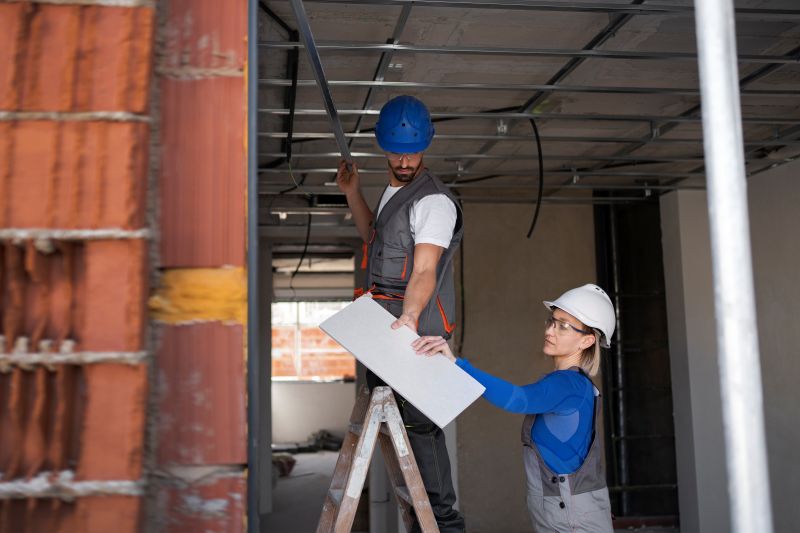
Planning is key to a successful renovation. Thinking of safety as a planned system, based on research, well-designed controls, competent personnel, and rapid learning, can reduce uncertainty. The benefits include reduced downtime, consistent output, and a professional demeanor that earns the respect of neighbors and clients. Safety makes all other goals easier to achieve.
 Mahi Patel
  Kayla Baptiste
  Lynn Leblanc