
5 min read
931 words
The crisp winter air, the stunning beauty of the snow-covered Canadian wilderness, and the exhilarating power of a snowmobile—it’s a combination that offers unparalleled freedom and adventure. From the groomed trails of Quebec to the backcountry powder of British Columbia, snowmobiling is a beloved Canadian pastime. But with great adventure comes great responsibility. Whether you’re a seasoned rider with thousands of kilometres under your belt or a beginner eager to explore the trails for the first time, safety must always be your top priority. This comprehensive guide covers the essential snowmobile safety tips you need to know to protect yourself, your passengers, and others on the trail.
Before You Even Start the Engine: Pre-Ride Essentials
A safe ride begins long before you hit the throttle. Proper preparation is the foundation of snowmobile safety.
1. Conduct a Thorough Pre-Ride Inspection
Just like a pilot performs a pre-flight check, you should inspect your snowmobile before every single trip. A simple mechanical issue on the trail can quickly turn into a dangerous situation. Use the T-CLOC method as a guide:
- T – Tracks and Skis: Check track tension and look for any damage. Ensure skis and carbides are intact and not excessively worn.
- C – Controls: Test the throttle and brake levers to ensure they operate smoothly and return to their original positions. Check handlebars and steering.
- L – Lights: Verify that your headlight (high and low beams), taillight, and brake light are all working.
- O – Oil and Fuel: Top up your fuel and injection oil. Always carry extra oil if you have a two-stroke engine.
- C – Chassis and Body: Look over the entire machine for any loose nuts, bolts, or visible signs of damage to the suspension and frame.
2. Check the Weather and Trail Conditions
Canada’s weather can change in an instant. Always check the forecast before you leave. Be aware of extreme cold warnings, heavy snowfall, and freezing rain. Furthermore, check the status of the trails you plan to use. Many provincial snowmobile associations (like the OFSC in Ontario or FCMQ in Quebec) offer interactive trail maps that show which trails are open, closed, or recently groomed. Never ride on closed trails.
3. Dress for Success (and Survival)
There is no such thing as bad weather, only bad gear. Hypothermia and frostbite are serious risks. Dress in layers to trap warm air and wick moisture away from your skin.
- Base Layer: Moisture-wicking material (merino wool or synthetics).
- Mid Layer: Insulating fleece or wool.
- Outer Layer: A windproof, waterproof, and durable snowmobile suit or jacket and pants.
- Essential Gear:
- An approved helmet (DOT or SNELL certified) is non-negotiable. It’s the single most important piece of safety equipment.
- Insulated, waterproof boots and gloves/mitts.
- A balaclava or face mask to protect exposed skin.
On the Trail: Rules of the Ride
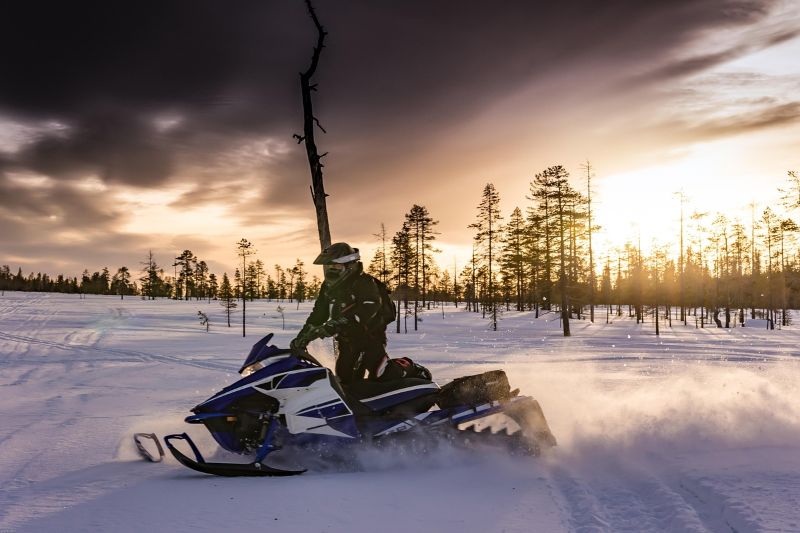
Once you’re out on the snow, safe operation is key. Follow these rules to ensure a smooth and incident-free ride.
1. Ride Sober, Ride Safe
This is the golden rule. Alcohol and drugs impair your judgment, slow your reaction time, and reduce your coordination. Operating a snowmobile under the influence is not only extremely dangerous but also illegal, with the same consequences as driving a car while impaired.
2. Master the Buddy System: Never Ride Alone
Riding with at least one other person is a critical safety practice. If your machine breaks down, you get stuck, or an injury occurs, having a partner can be a lifesaver. Before you leave, file a “ride plan” with a friend or family member. Let them know where you are going, your intended route, and your expected return time.
3. Stay on Designated Trails
Designated trails are there for a reason. They are groomed for safety, avoid hazards like wire fences or stumps, and respect private property and environmentally sensitive areas. Riding off-trail can lead to trespassing, damaging property, or encountering unexpected dangers.
4. Control Your Speed and Ride to the Conditions
Speed is a major factor in most snowmobile accidents. Always ride at a speed that allows you to maintain complete control and stop safely. Reduce your speed in these situations:
- At night or in low-visibility conditions.
- On unfamiliar trails.
- Approaching hills, curves, or intersections.
- When riding in a group.
A special note on ice: Never assume ice is safe. Avoid riding over frozen lakes or rivers unless you are on a clearly marked and officially open ice trail.
Safety for the Whole Family: Age and Passenger Rules
Snowmobiling can be a family activity, but strict rules must be followed to keep children safe.
- Operator Age: Children and teens under 16 years of age should not operate snowmobiles. They often lack the physical strength, cognitive skills, and judgment necessary to handle these powerful machines safely. Always check your provincial laws for specific age and licensing requirements.
- Passenger Age: Children under the age of 6 should never ride as passengers on a snowmobile. They are too small to properly reach the handgrips and footrests and may not be able to hold on securely in rough conditions or during a sudden stop.
Your Essential Snowmobile Safety Checklist
- Approved Helmet
- Warm, layered clothing
- Pre-ride inspection completed
- Fuel and oil topped up
- A “ride plan” filed with someone
- Emergency Kit (first-aid supplies, tow rope, toolkit, flashlight, high-energy snacks)
- Fully charged phone and a GPS or map
- Ride with a buddy
- Commitment to ride sober
By embracing these safety practices, you ensure that every snowmobile outing is memorable for all the right reasons. Respect the machine, respect the trail, and respect the conditions.
Have a fantastic and safe winter season on the trails!
 Mahi Patel
  Kayla Baptiste
  Lynn Leblanc