
7 min read
1220 words
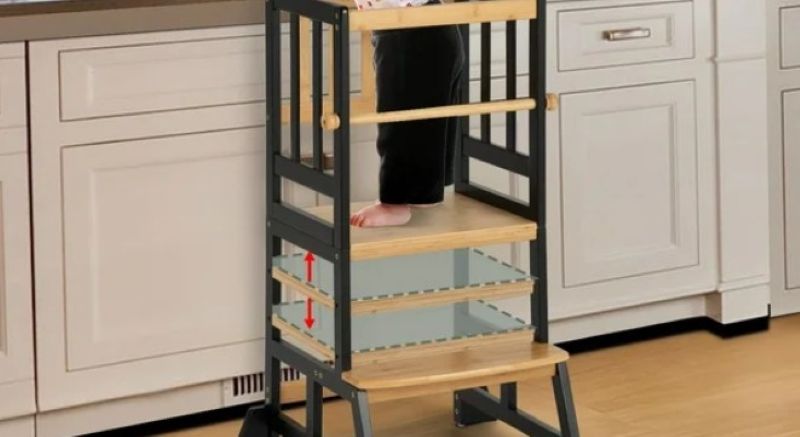
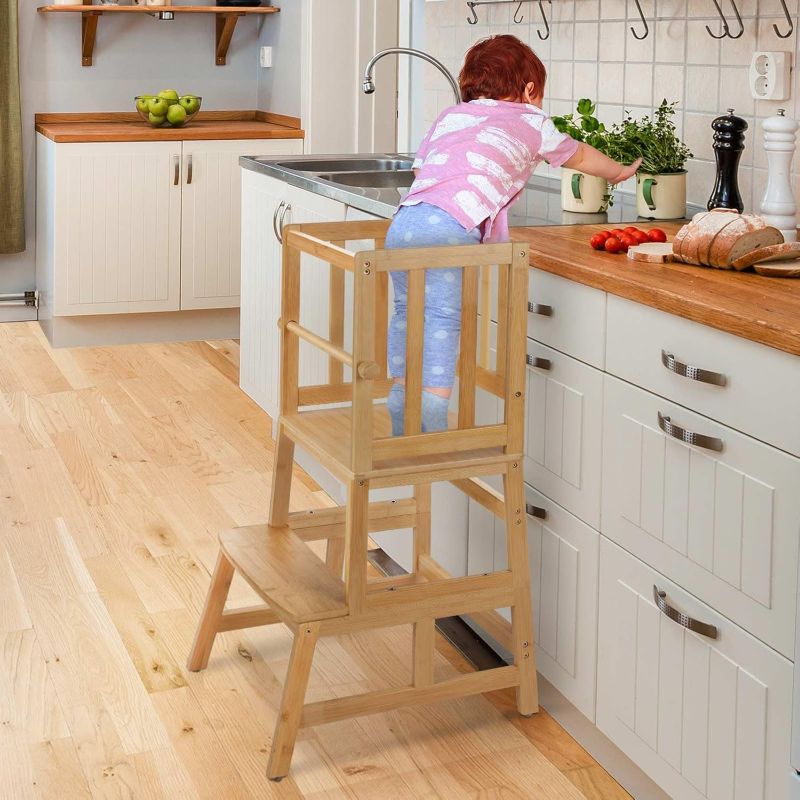
When it comes to raising young children, parents often walk a delicate balance between fostering independence and ensuring safety. One product that has surged in popularity in recent years is the toddler tower—also known as a kitchen helper, learning tower, or step stool with guard rails. These multi-functional platforms allow toddlers to stand at counter height safely, giving them an opportunity to participate in cooking, crafting, and other family activities.
But according to a recent report by Consumer Reports (CR), there are currently no official safety standards for toddler towers. This lack of regulation raises urgent concerns for parents, caregivers, and regulators alike—especially since the Consumer Product Safety Commission (CPSC) has documented 16 safety incidents connected to toddler towers between 2011 and 2024.
As more households embrace toddler towers as part of everyday parenting, the absence of safety guidelines highlights an important gap in consumer protection.
Understanding Toddler Towers and Their Appeal
Toddler towers gained traction among modern parents as part of the “Montessori at home” movement. Rooted in principles of independence and exploration, these towers give toddlers (typically ages 18 months to 5 years) a safe, elevated space to observe and participate in daily tasks.
Why Parents Love Them
- Promotes independence: Children can climb in and out of the tower by themselves, sparking confidence.
- Encourages inclusion: Standing at counter height lets toddlers engage in food prep, arts, or even brushing teeth at a bathroom sink.
- Safety compared to chairs: Parents often see towers as safer alternatives to pulling up a chair, which can easily tip or slide.
The versatility of toddler towers has made them a fixture in many households, promoted by parenting communities and social media influencers alike. Their popularity means that thousands of families now rely on them daily. However, with widespread use comes the inevitability of risks.
What the Safety Data Shows
The CPSC data referenced by Consumer Reports revealed 16 incidents involving toddler towers between 2011 and 2024. While that number may not seem dramatically high considering the wide use of these products, the nature of the injuries is significant.
Reported incidents have included:
- Falls: Children climbing or leaning caused towers to tip over.
- Entrapment: Certain designs left gaps where toddlers could become stuck.
- Instability: Light or foldable models sometimes collapsed during use.
Although no fatalities were cited in the report, injuries like bruises, head bumps, and broken bones were noted. For concerned parents, even a small number of reports sparks questions: If there are no official safety standards, how do we know which toddler towers are truly safe?
The Regulatory Gap: Why No Standards Exist
Consumer products designed specifically for children typically undergo strict scrutiny. Cribs, high chairs, car seats, and strollers all have binding safety standards enforced by organizations like the CPSC and ASTM International. So why not toddler towers?
There are a few reasons for this regulatory gap:
- Category ambiguity: Toddler towers fall somewhere between furniture, toys, and household equipment, making them harder to classify.
- Relatively recent popularity: Towers have exploded in mainstream use only in the last decade, leaving regulatory bodies playing catch-up.
- Wide variety of designs: Some towers are wooden and sturdy, others are plastic and collapsible. This diversity complicates creating uniform rules.
In short, while the risks are real, toddler towers exist in a gray zone—widely purchased but not formally regulated.
What Consumer Reports Recommends
Consumer Reports has been vocal about the need for more oversight, urging the CPSC to establish binding safety standards for toddler towers. According to their report, these standards should cover:
- Stability and weight limits: Products must withstand toddler movements without tipping.
- Guardrails and enclosure height: To prevent falls, protective barriers need to meet minimum dimensions.
- Durability testing: Materials should not splinter, crack, or collapse under regular use.
- Design to prevent entrapment: No gaps that could trap a child’s head, arms, or legs.
While formal safety standards could take months or even years to draft and implement, the push for regulation highlights growing awareness of a potential problem.
What Parents Can Do Now: Practical Safety Tips
Until clearer product standards are in place, parents and caregivers must take their own precautions when selecting and using toddler towers. Here are some expert-informed strategies:
- Look for sturdiness over collapsibility
– While foldable towers seem convenient, they can also be less stable. Heavier wooden versions tend to provide more security. - Check for wide bases
– Towers with a broad footprint are less likely to tip, especially on hard kitchen floors. - Supervise at all times
– Toddler towers should never be considered babysitters. Children can still lean over, climb out, or move dangerously even with guardrails in place. - Avoid placement near hazards
– Don’t position towers beside hot stoves, sharp utensils, or heavy appliances. - Use age-appropriate guidelines
– While some manufacturers claim towers are safe for children as young as 12 months, waiting until 18 months—or when your child can climb steadily—may reduce risk. - Check weight and height limits
– Make sure the tower accommodates your child’s age and size, and discontinue use once they’re too tall or heavy.
The Rising Consumer Pushback
Awareness of the regulatory gap has also spurred parents and caregivers to demand better from manufacturers. Online parenting forums now host detailed reviews, with parents sharing both positive experiences and cautionary tales. Some families report that with proper supervision and sturdy models, towers have been invaluable tools for bonding and independence. Others share harrowing stories of near falls, underscoring the urgent need for better design standards.
Brands themselves have started emphasizing safety as a selling point. Some voluntarily submit their toddler towers for third-party testing, while others promote design features like adjustable platforms, anti-tip bases, and non-toxic finishes. But without a federal safety standard to unify expectations, parents remain largely on their own to gauge which claims hold weight.
The Road Ahead: Will Standards Arrive Soon?
The CPSC has historically taken years to develop and implement rules for emerging child products. For example, infant inclined sleepers only came under stricter scrutiny after numerous injuries and tragic deaths brought widespread attention. Advocates hope toddler towers will not need a similar trajectory to spur action.
Consumer Reports and safety experts have positioned the issue front and center, which could accelerate regulatory interest. If the CPSC begins formal rulemaking, industry groups and manufacturers will likely weigh in on design feasibility, costs, and testing procedures.
Until then, the responsibility falls on both individual families and conscientious manufacturers to keep toddlers safe while encouraging independence.
Conclusion: A Balancing Act Between Independence and Safety
Toddler towers encapsulate a central tension in modern parenting: the desire to nurture independence versus the concern for safety. By allowing children to join family activities at eye level, these towers can enrich daily routines and foster valuable developmental skills. However, without official safety standards, families face an uncertain landscape where risks are very real, but rules are few.
Consumer Reports’ findings—highlighting 16 incidents reported to the CPSC over more than a decade—may be only a glimpse into the larger picture. For parents, the key is informed caution: choosing sturdy designs, supervising consistently, and advocating for stronger safety standards.
As toddler towers continue to rise in popularity, the conversation around their regulation may very well shape the future of child product safety. For now, awareness remains one of the most powerful tools in keeping young children both secure and empowered at the kitchen counter.
 Mahi Patel
  Kayla Baptiste
  Lynn Leblanc