
7 min read
1400 words
Winter beckons with the promise of exhilarating adventures, and for many, that means hitting the trails on a snowmobile or ATV. The crisp air, the stunning snowy landscapes, and the rush of adrenaline are undeniable draws. However, with these thrilling pursuits comes an inherent need for caution. The excitement of winter riding shouldn’t overshadow the importance of safety, as accidents can and do happen. This comprehensive guide delves into the realities of snowmobile and ATV accidents in the winter months, offering critical statistics to highlight potential risks and, most importantly, providing actionable safety tips to ensure your adventures remain memorable for all the right reasons.
The Stark Reality: Understanding Snowmobile and ATV Accident Statistics
While precise, up-to-the-minute national statistics can fluctuate and vary by reporting agency, a consistent trend emerges: snowmobile and ATV accidents, particularly during winter, are a significant concern. Understanding these numbers isn’t about fostering fear, but about fostering informed decision-making and promoting responsible riding practices.
Key Areas of Concern Often Highlighted in Accident Data Include:
- Speed and Excessive Speed: A leading factor in many snowmobile and ATV accidents is simply riding too fast for the conditions, terrain, or operator’s skill level. This can lead to loss of control, rollovers, and collisions.
- Alcohol and Drug Impairment: Tragically, a substantial percentage of fatalities and serious injuries involve alcohol or drug use. Impaired judgment, slowed reaction times, and poor coordination drastically increase the risk of accidents.
- Collisions:
- With Fixed Objects: Trees, rocks, fences, and even snow banks can become dangerous hazards, especially at higher speeds or in low visibility.
- With Other Vehicles/Riders: Collisions with other snowmobiles or ATVs are more common than one might think, often due to sudden maneuvers, lack of communication, or riding in close proximity.
- With Wildlife: While less frequent, encounters with deer or other animals can result in severe accidents, particularly at dawn, dusk, or night.
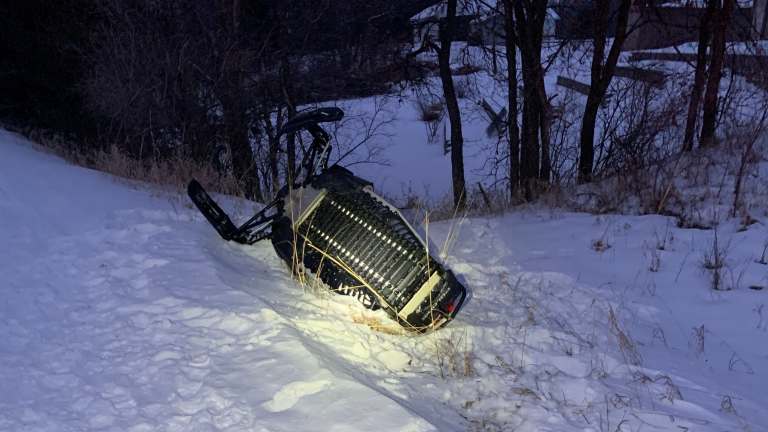
- Loss of Control and Rollovers: Uneven terrain, ice, hidden obstacles, and sharp turns can all lead to riders losing control of their machines, resulting in rollovers and subsequent injuries.
- Riding on Public Roads: Many jurisdictions have strict regulations regarding where ATVs and snowmobiles can be operated. Riding on public roads, especially without proper lighting and visibility, significantly increases the risk of collisions with larger vehicles.
- Riding with Passengers (especially inexperienced ones): Overloading a snowmobile or ATV, or carrying an inexperienced passenger, can alter handling and create instability, leading to accidents.
- Age and Experience: Younger, less experienced riders may be more prone to risk-taking behavior or may lack the skills to handle challenging situations.
- Environmental Factors: Low visibility due to snow, fog, or darkness, combined with icy or unpredictable terrain, creates a high-risk environment.
While specific numbers vary, the general takeaway from accident data is clear: a significant portion of serious snowmobile and ATV accidents are preventable through responsible operation and adherence to safety guidelines.
Beyond the Numbers: The Human Cost of Winter Riding Accidents
Statistics paint a picture, but they don’t fully capture the devastating human impact. Behind every number is a story of pain, injury, financial hardship, and tragically, loss. Families are torn apart, lives are irrevocably altered by debilitating injuries, and the joy of a recreational activity can turn into a lifetime of regret. This is why prioritizing snowmobile and ATV safety is not just a recommendation; it’s an absolute necessity.
Snowmobile and ATV Safety: Your Roadmap to a Secure Winter Adventure
The good news is that with the right preparation, knowledge, and responsible practices, you can significantly reduce your risk of becoming a statistic. Here’s your comprehensive guide to staying safe on your winter adventures:
1. Know Your Machine and Its Limits
- Read the Owner’s Manual: This is your first and most important step. Understand your snowmobile or ATV’s capabilities, maintenance requirements, and recommended operating procedures.
- Regular Maintenance: Ensure your machine is in top working condition. Check brakes, lights, tires (if applicable), steering, and engine regularly. In cold weather, specific checks for fluid levels and battery performance are crucial.
- Understand its Load Capacity: Never overload your snowmobile or ATV with more passengers or cargo than it’s designed to carry.
2. Gear Up for Protection: Your Personal Safety Net
- Helmet is Non-Negotiable: Always wear a DOT-approved helmet, properly fastened. This is the single most important piece of safety gear. In winter, a full-face helmet with a good visor is recommended to protect against wind, snow, and debris.
- Eye Protection: Even with a full-face helmet, consider goggles for added protection against snow and wind.
- Layered Clothing: Dress in multiple layers of warm, moisture-wicking clothing. Avoid cotton, which holds moisture and can make you cold. Waterproof and windproof outerwear is essential.
- Gloves and Mittens: Insulated, waterproof gloves or mittens are vital to prevent frostbite and maintain dexterity.
- Boots: Insulated, waterproof boots will keep your feet warm and dry, providing good grip.
- Body Protection: Consider padded clothing, knee guards, and elbow pads for added protection against impacts.
3. Ride Responsibly: The Golden Rules of the Trail
- Never Ride Impaired: Alcohol and drugs severely impair judgment, coordination, and reaction time. Do not operate a snowmobile or ATV under their influence. Designate a sober rider or avoid riding altogether if you’ve been drinking.
- Ride Within Your Skill Level: Be honest about your abilities. Don’t attempt maneuvers or ride terrain beyond your experience. Consider taking a safety course.
- Stay Alert and Aware: Pay constant attention to your surroundings. Watch for changing terrain, obstacles, other riders, and wildlife.
- Control Your Speed: Always ride at a speed that allows you to react to changing conditions and stop safely. Adjust your speed for visibility, terrain, and weather.
- Stay to the Right: On shared trails, ride on the right side to allow oncoming traffic to pass safely.
- Signal Turns: Use hand signals to communicate your intentions to other riders.
- Maintain a Safe Distance: Keep a safe distance between your machine and others to avoid collisions.
- Avoid Riding Alone: Whenever possible, ride with at least one other person. If you do ride alone, inform someone of your route and expected return time.
- Be Cautious on Ice: Never assume ice is safe. Check local ice thickness recommendations and be aware of currents that can create thinner areas. Avoid riding on ice at night.
- Watch for Hidden Dangers: Snow can conceal rocks, logs, ditches, and other hazards. Be extra vigilant in unfamiliar areas or after heavy snowfall.
- Respect Private Property: Stick to designated trails and do not ride on private property without explicit permission.
- Follow Trail Signs and Regulations: Adhere to posted speed limits, trail closures, and other rules.
4. Plan Your Adventure: Preparation is Key
- Check the Weather Forecast: Before you head out, thoroughly check the weather forecast. Be prepared for sudden changes in conditions.
- Know Your Route: Plan your route in advance. If you’re going into unfamiliar territory, carry a map, compass, or GPS device.
- Inform Someone of Your Plans: Always let a trusted friend or family member know where you’re going, your planned route, and your expected return time.
- Carry Essential Supplies: Pack a basic first-aid kit, a multi-tool, a flashlight, extra batteries, high-energy snacks, and water. In extreme cold, consider carrying fire-starting materials.
- Communication Devices: Carry a fully charged cell phone. In remote areas, consider a satellite communicator or personal locator beacon (PLB) if cell service is unreliable.
5. Advanced Safety Considerations
- Take a Safety Course: Consider enrolling in a snowmobile or ATV safety course offered by organizations like the ATV Safety Institute (ASI) or your state’s snowmobile association. These courses provide invaluable knowledge and hands-on training.
- Be Aware of Blind Spots: Understand the blind spots of your vehicle and be extra cautious when maneuvering.
- Understand Fatigue: Long rides, especially in cold conditions, can lead to fatigue, which impairs judgment and reaction time. Take regular breaks.
- Educate Passengers: Ensure your passengers understand basic safety protocols and how to hold on properly.
Embracing the Thrill, Prioritizing Safety
Winter offers a unique playground for snowmobile and ATV enthusiasts. By understanding the risks associated with these activities and diligently implementing safety measures, you can transform potential hazards into memorable, enjoyable experiences.
Remember, safety is not a limitation; it’s an enabler of fun. By prioritizing preparation, responsible riding, and proper gear, you can confidently embrace the thrill of winter adventures while ensuring you and your loved ones return home safe and sound.
Don’t let a preventable accident cast a shadow over your winter. Ride smart, ride safe, and enjoy the beauty of the season!
 Kayla Baptiste
  Lynn Leblanc