
5 min read
967 words
Winter, with its pristine snowfalls and cozy evenings, can be a season of quiet beauty. However, it also brings a unique set of challenges, particularly for older adults. From icy pathways to the risks of extreme cold, proactive preparation is key to ensuring a safe, comfortable, and healthy winter season. This guide offers essential tips for older adults to navigate the colder months with confidence, focusing on both personal well-being and winter safety.
Managing Outdoor Risks: Navigating the Elements
One of the most immediate dangers of winter is the risk of falls due to ice and snow. For older adults, a fall can lead to serious injuries, significantly impacting independence and quality of life. Taking preventative measures outdoors is paramount for winter safety.
Hire a Snow Removal Service: The physical exertion of shoveling snow can be extremely dangerous for older adults. It can strain the heart, lead to back injuries, and significantly increase the risk of falls on slippery surfaces. Consider hiring a professional snow removal service well in advance of the winter season. This investment provides peace of mind, ensures clear pathways, and removes the burden of a strenuous, high-risk chore. Look for reputable local services and establish a clear agreement regarding the frequency and scope of their work.
Avoid Slippery Falls: Even with clear pathways, ice can be insidious. When venturing outside, always wear sturdy, non-slip footwear with good traction. Avoid smooth-soled shoes or boots with worn treads. Take small, deliberate steps, and use handrails whenever available. Carry a cane or walking stick for added stability. Before leaving the house, visually inspect your immediate surroundings for patches of ice, especially on shaded areas or near downspouts. If possible, limit outdoor excursions during periods of heavy snowfall or freezing rain. Remember that falls can also happen indoors: ensure rugs are secured, spills are cleaned promptly, and pathways are clear and well-lit.
Securing Your Indoor Sanctuary: Warmth and Fire Safety
Your home should be a haven of warmth and safety during winter. Addressing potential indoor hazards, particularly those related to heating, is crucial for winter home safety.
Safe Use of Space Heaters: While space heaters can offer a welcome boost of warmth, they are also a significant source of fire risk if not used correctly. Always choose models with modern safety features, such as automatic tip-over shut-off and overheat protection. Place heaters on a flat, non-flammable surface, at least three feet away from anything combustible, including curtains, furniture, bedding, and paper. Never leave a space heater unattended, especially when going to bed or leaving the house. Plug heaters directly into a wall outlet; avoid extension cords, which can overheat. Regularly check the cord for any fraying or damage.
Insulation and Weatherstripping: Keeping your home warm efficiently not only saves money but also contributes to your comfort and health. Check for drafts around windows and doors, and apply weatherstripping or caulk where needed. Consider insulating pipes in unheated areas to prevent freezing and bursting, which can cause significant damage and disruption. A professional home energy audit can identify areas where your home is losing heat, and offer solutions from better insulation in attics and walls to upgrading older windows. Even simple actions like closing curtains at night can help retain heat.
Planning for Convenience and Emergencies: Preparedness is Key
Winter storms can bring power outages, impassable roads, and isolation. Having a plan for these eventualities is a vital aspect of winter safety.
Schedule Home Deliveries: Minimize your need to brave hazardous conditions by scheduling home deliveries for groceries, prescriptions, and other essential items. Many pharmacies and grocery stores offer delivery services, and these can be particularly invaluable during winter. Set up recurring deliveries for non-perishables and medications to ensure you always have a sufficient supply on hand. This practice not only enhances safety but also reduces stress and effort.
Emergency Preparedness Kit: Every home should have an emergency kit, especially for winter. This kit should include:
- Water: At least one gallon per person per day for several days.
- Non-perishable food: Canned goods, dried fruits, nuts, and protein bars.
- Medications: A minimum of a week’s supply of all necessary prescriptions.
- First-aid kit: Bandages, antiseptic wipes, pain relievers, and any personal medical supplies.
- Warm blankets or sleeping bags: Essential during power outages.
- Flashlights and extra batteries.
- Battery-powered or hand-crank radio: For emergency broadcasts.
- Whistle: To signal for help.
- Fully charged power bank: For mobile devices.
- Important documents: Copies of IDs, insurance policies, and contact information. Keep this kit in an easily accessible location and check it periodically to ensure items are not expired and batteries are fresh.
Prioritize Health and Wellness: Nurturing Body and Mind
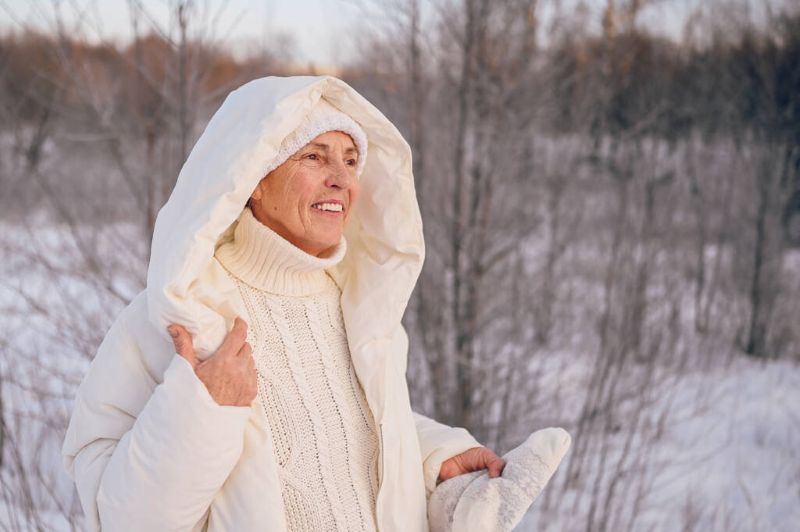
Beyond physical hazards, winter can impact overall health and well-being. Focusing on a holistic approach to health is crucial for comprehensive winter safety.
Prioritize Health and Wellness: Maintaining your health during winter involves several key practices. Stay hydrated by drinking plenty of water, even if you don’t feel as thirsty in colder weather. Eat a balanced diet rich in fruits, vegetables, and whole grains to boost your immune system. Continue with regular, appropriate physical activity indoors, such as stretching, walking laps at an indoor mall, or using resistance bands. Consult your doctor about flu shots and pneumonia vaccines, which are particularly important for older adults. Stay connected with friends and family; isolation can exacerbate feelings of loneliness or depression during the shorter, darker days. Schedule regular check-ins with neighbors or loved ones, and don’t hesitate to reach out if you need assistance or feel unwell.
Winter can be a time of comfort and joy, provided that adequate precautions are taken. By planning ahead, addressing potential hazards in and around your home, and prioritizing your physical and mental health, older adults can confidently embrace the season, ensuring a safe and warm experience throughout the colder months.
 Mahi Patel
  Kayla Baptiste
  Lynn Leblanc