
3 min read
548 words
Spirituality is a universal human experience, yet its expression varies widely across cultures and continents. While the essence of spirituality often revolves around seeking meaning, connection, and transcendence, the ways people practice and interpret these concepts are deeply influenced by geography, history, and cultural traditions. Exploring these differences offers insight into how diverse societies nurture the human spirit.
Spirituality in Asia: Tradition and Meditation

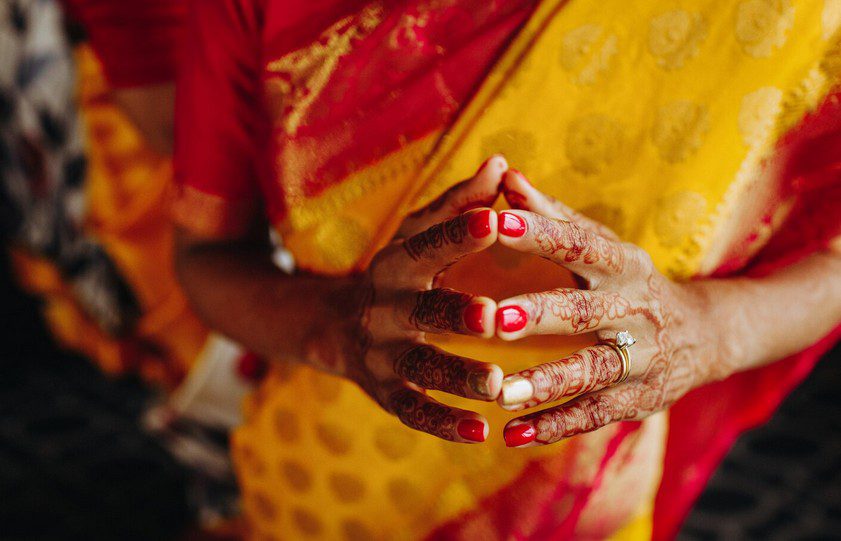
Asia is often regarded as the cradle of many spiritual traditions, including Hinduism, Buddhism, Taoism, and Confucianism. These practices emphasize inner peace, mindfulness, and harmony with nature. Meditation and yoga are central components, serving as tools for self-realization and enlightenment. In countries like India and Nepal, spiritual practices are intertwined with daily life, from temple rituals to seasonal festivals. Similarly, in East Asia, Taoist and Buddhist philosophies encourage balance and simplicity, shaping everything from architecture to dietary habits.
Africa: Community and Ancestral Connection
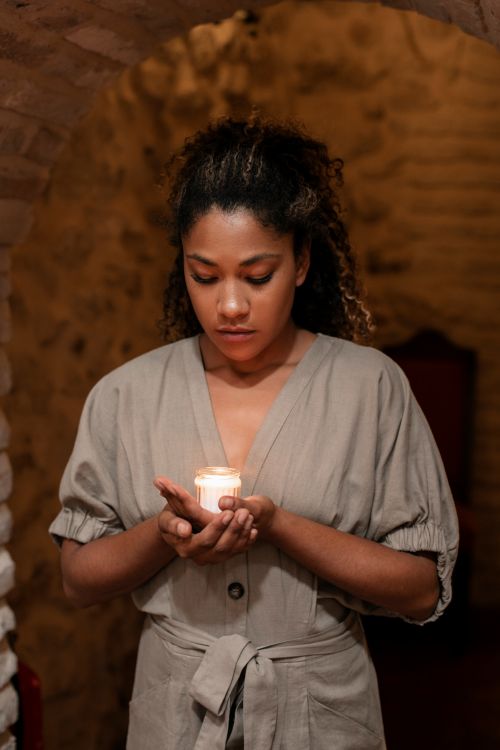
African spirituality is deeply rooted in community and ancestry. Many African traditions emphasize the interconnectedness of life, where the living, the dead, and the divine form a continuous cycle. Rituals often involve music, dance, and storytelling, creating a vibrant spiritual experience that binds communities together. Practices such as libations and offerings honor ancestors and seek their guidance. Even in regions where Christianity and Islam have become dominant, indigenous spiritual elements often persist, blending with newer faiths to create unique expressions of belief.
Europe: Structured Faith and Modern Adaptations
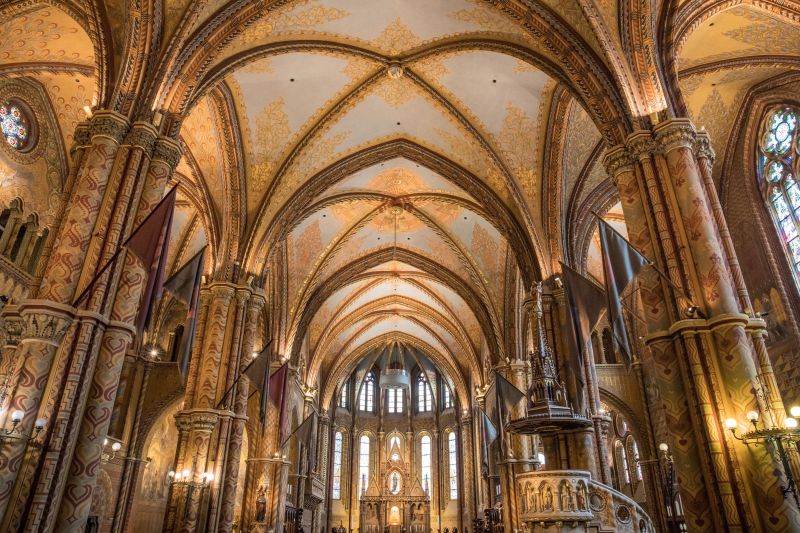
Europe’s spiritual landscape has historically been shaped by Christianity, with its structured rituals and doctrines. Cathedrals, monasteries, and centuries-old traditions reflect this heritage. However, modern Europe has seen a shift toward secularism and individualized spirituality. Practices such as mindfulness, yoga, and alternative healing have gained popularity, often adapted from Eastern traditions. Pilgrimages, such as the Camino de Santiago in Spain, remain significant for those seeking spiritual renewal, demonstrating how ancient practices continue to resonate in contemporary life.
The Americas: Diversity and Syncretism
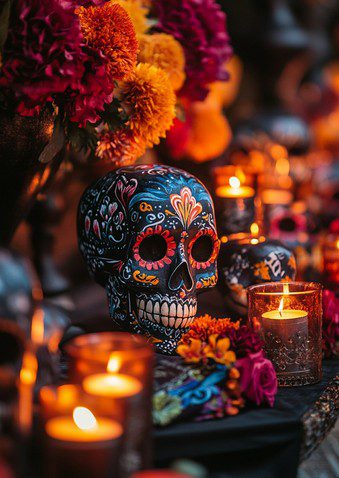
Spiritual practices in North and South America are marked by diversity and syncretism. Indigenous traditions, with their deep reverence for nature, coexist alongside Christianity, Judaism, and other global religions. In Latin America, Catholicism often blends with indigenous rituals, creating unique celebrations like Día de los Muertos. In North America, spirituality is increasingly personalized, with many embracing meditation, holistic wellness, and interfaith dialogue. This pluralistic approach reflects the continent’s cultural mosaic and openness to varied spiritual paths.
Challenges and Resilience in Spiritual Expression
While spirituality often fosters peace and unity, it can also face challenges, particularly in regions where religious freedom is restricted. Reports such as the Persecuted Christian Watchlist highlight areas where individuals suffer for their faith, reminding us that spiritual expression is not universally protected. Despite these hardships, communities often find resilience through clandestine gatherings, digital platforms, and unwavering devotion. These struggles underscore the importance of advocating for religious liberty and respecting diverse spiritual identities worldwide.
Conclusion: A Shared Quest for Meaning
Though spiritual practices differ across continents, they share a common purpose: to connect individuals with something greater than themselves. Whether through meditation in Asia, ancestral rituals in Africa, pilgrimages in Europe, or syncretic traditions in the Americas, spirituality remains a vital force shaping human experience. Understanding these differences not only broadens our perspective but also fosters empathy and respect in an increasingly interconnected world.
 Carly
Carly  Emma Lee Scott
  Ananya