
6 min read
1172 words
Purchasing a home is a monumental undertaking. For most of us, it will be the single largest financial transaction of our lives—a decision wrapped in dreams, spreadsheets, and a healthy dose of anxiety. It’s a foundational step, a place to build a life, a family, and equity. But the term “home” covers a breathtakingly wide range of properties. The housing market isn’t a single entity; it’s a vast spectrum, with options ranging from sprawling palaces fit for royalty to cleverly designed micro-homes that prioritize efficiency over excess. Whether you’re a dreamer gazing at luxury listings or a first-time buyer trying to get a foothold on the property ladder, understanding this spectrum is the first step. So, let’s take a tour of the real estate landscape, exploring the two extremes: the most expensive and the most affordable homes you can buy.
The High End of the Market: Exploring the Most Expensive Homes
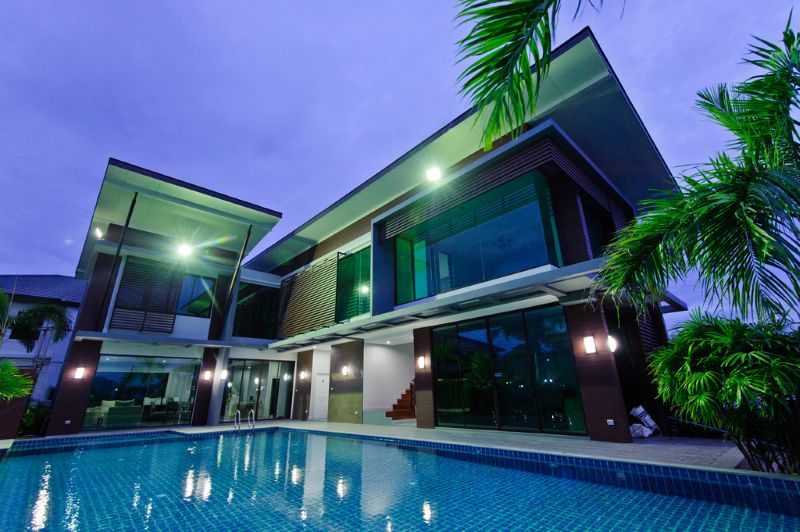
When money is no object, a house ceases to be just a place to live; it becomes a statement, a private resort, and a bespoke piece of art. The most expensive homes in the world derive their value from a combination of incredible size, irreplaceable location, unparalleled quality, and exclusive amenities. These properties aren’t just bought; they are curated.
1. Custom-Built Estates and Modern Mansions This is the classic image of luxury: a sprawling, gated property with a home designed by a world-renowned architect. We’re talking about tens of thousands of square feet, built with the finest materials imaginable—rare Italian marble, exotic hardwoods, and floor-to-ceiling glass walls that disappear at the touch of a button.
- What drives the cost? Exclusivity and customization. These homes feature amenities that rival five-star hotels: infinity pools that blend into the horizon, professional-grade home theaters, temperature-controlled wine cellars for thousands of bottles, private spas, multi-car garages for a collection of supercars, and acres of meticulously landscaped grounds. Technology is also key, with state-of-the-art smart home systems controlling everything from security to lighting.
2. Luxury Penthouses in Global Cities For the urban elite, the ultimate status symbol is the “mansion in the sky.” Perched atop the tallest residential towers in cities like New York, London, or Hong Kong, these penthouses offer a unique blend of opulence and convenience. The real luxury here is the view—a 360-degree, unobstructed panorama of a glittering city skyline.
- What drives the cost? Location and services. You’re not just buying an apartment; you’re buying the address and the unparalleled access that comes with it. These properties often feature private elevators, expansive rooftop terraces with pools, and access to the building’s white-glove services, including a 24/7 concierge, in-house chefs, private fitness centers, and world-class security.
3. Irreplaceable Waterfront and View Properties Real estate’s oldest mantra is “location, location, location,” and nowhere is this truer than with waterfront properties. A beachfront compound in Malibu, a cliffside villa overlooking the Mediterranean, or a private island in the Caribbean all command astronomical prices because their settings simply cannot be duplicated.
- What drives the cost? Scarcity and lifestyle. The value is intrinsically tied to the land and the lifestyle it provides—direct beach access, a private dock for a yacht, or the profound tranquility of being surrounded by nature. The structure itself may be magnificent, but the true investment is in owning a piece of paradise.
Getting Your Foot in the Door: The Most Affordable Housing Options
On the opposite end of the spectrum are the homes that make the dream of ownership a reality for the rest of us. These properties prioritize accessibility, practicality, and value. They are the entry points to the market, offering a chance to build equity and stability without a billionaire’s budget.
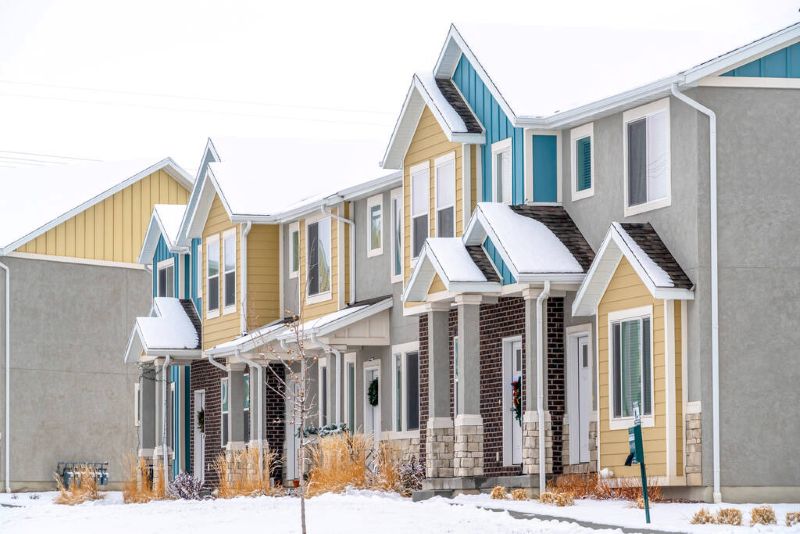
1. Condominiums and Townhouses For many first-time homebuyers, particularly in urban and suburban areas, a condominium or townhouse is the perfect starting point. Instead of purchasing a standalone house and the land it sits on, you buy a single unit within a larger complex and share ownership of the common areas.
- Why are they affordable? The cost of land and amenities (like a pool, gym, or landscaping) is distributed among all the owners. This lowers the individual purchase price significantly. While they come with monthly homeowner association (HOA) fees, these often cover maintenance, insurance, and utilities that a single-family homeowner would have to pay for anyway. They offer a lower-maintenance lifestyle in desirable locations that might otherwise be out of reach.
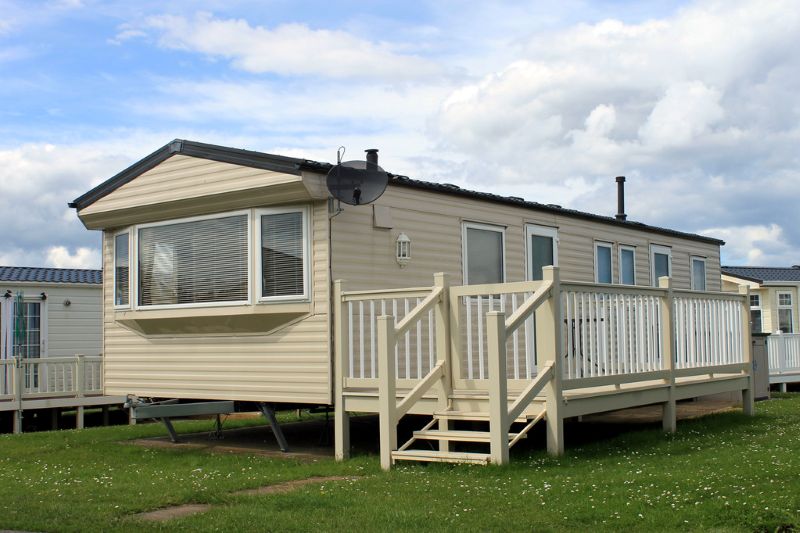
2. Manufactured and Mobile Homes Modern manufactured homes have come a long way from the “trailers” of the past. Built efficiently in a factory and then transported to a site, these homes offer one of the lowest costs per square foot available. They can be placed on land you own or in a community where you rent a lot.
- Why are they affordable? The factory-built process is streamlined, reduces waste, and avoids weather-related construction delays, all of which drive down costs. While they can sometimes depreciate in value (unlike the land they sit on), they represent one of the most accessible paths to owning a detached home with multiple bedrooms and modern features.
3. Tiny Homes A direct response to rising housing costs and a desire for a simpler life, the tiny home movement has gained serious traction. Typically under 500 square feet, these cleverly designed dwellings make use of every inch of space. They can be built on a foundation or, more commonly, on wheels, offering a degree of mobility.
- Why are they affordable? The drastically smaller size means radically lower material and labor costs. Utility bills are minimal, and the lifestyle encourages you to own less. The biggest hurdles are often navigating zoning laws and finding a legal place to park it, but for those committed to minimalism, the financial freedom can be life-changing.
4. The “Fixer-Upper” This option requires vision and a willingness to get your hands dirty. A fixer-upper is a property that is structurally sound but needs significant cosmetic or systemic updates. It may have an outdated kitchen, peeling paint, or a leaky roof, causing it to be priced well below market value.
- Why is it affordable? You are trading money for labor—what is known as “sweat equity.” The low initial purchase price allows you to get into a neighborhood you might not otherwise afford. Over time, as you renovate and improve the property, you not only create a home customized to your tastes but also build significant value. However, this path is not for the faint of heart; renovations can be costly, time-consuming, and full of unforeseen challenges.
Your Place on the Spectrum
The journey to homeownership looks different for everyone. Whether you’re dreaming of an ocean view from a glass-walled mansion or planning the layout of your first one-bedroom condo, the goal is the same: to find a place that feels like home. The vast spectrum of the housing market ensures that, with careful planning and realistic expectations, there is a place for almost every budget and lifestyle. Understanding where you fit on that spectrum is the first, most powerful step you can take.
 Nancy Whitmore
  Lynn Leblanc
  Kayla Baptiste