
5 min read
831 words
Off-road vehicles (ORVs)—including all-terrain vehicles (ATVs), dirt bikes, and side-by-sides—are often associated with adventure and family fun in the great outdoors. However, behind this image of recreation lies a sobering reality: these powerful machines are a significant and preventable cause of serious injury and death among children and adolescents. A stark warning comes from the Canadian Paediatric Society (CPS) in a 2025 position statement, which highlights the disproportionate danger ORVs pose to youth. The data is clear and alarming, urging parents, caregivers, and governments to take immediate action to protect our youngest and most vulnerable.
The Sobering Statistics: A Look at Paediatric ORV Dangers
While children and teens represent a small fraction of all ORV operators, they are tragically overrepresented in accident statistics. According to the CPS, the numbers paint a grim picture:
- As many as 35% of all ORV-related deaths in Canada are among children and youth under 16 years old.
- A third of all deaths involving off-road vehicles involve children and adolescents.
These aren’t just statistics; they represent families torn apart by preventable tragedies. The high rate of incidents underscores a critical mismatch between a child’s developmental stage and the skills required to operate these complex vehicles safely.
Why Are Children and Teens at Such High Risk?
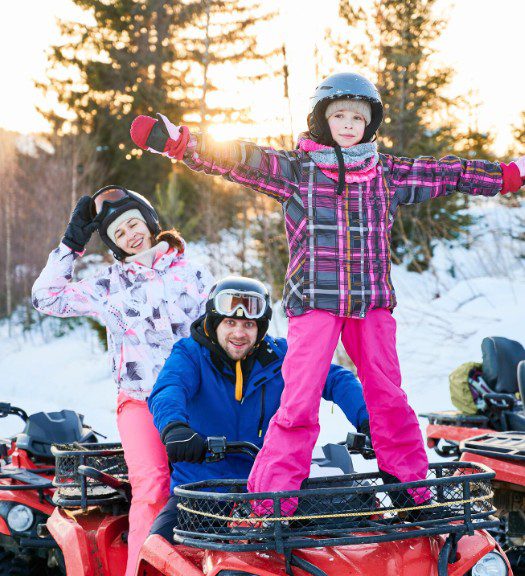
Many well-intentioned parents believe that with proper supervision, their child can handle an ORV. However, research points to specific developmental and cognitive factors that place youth at a significantly higher risk of losing control.
1. Developmental and Cognitive Mismatch The CPS statement emphasizes that being younger than 16 is a key risk factor for ORV accidents. A child’s brain is still developing crucial skills needed for safe driving, including:
- Judgment and Risk Assessment: Children and teens are less able to accurately perceive danger and anticipate potential hazards.
- Impulse Control: The ability to resist risky behaviours is not fully formed.
- Complex Decision-Making: Operating an ORV requires quick reactions and multi-tasking, which can overwhelm a developing mind.
2. Physical Demands Off-road vehicles are heavy, powerful, and unstable by nature. A child often lacks the core strength, body mass, and coordination required to control the vehicle, especially during a sudden turn, bump, or emergency situation.
3. The Illusion of Safety on Low-Speed Vehicles Even smaller or lower-speed ORVs can be dangerous. A common and deadly mistake is riding on paved roads. These vehicles are designed for off-road terrain; their tires can grip paved surfaces too aggressively, making them extremely difficult to steer and highly susceptible to rollovers. A loss of control, even at a slow speed, can lead to severe or fatal outcomes.
The Devastating Consequences of ORV Accidents
When an ORV crash occurs involving a child, the injuries are often catastrophic. The leading causes of death and lifelong disability in paediatric ATV crashes are severe and life-altering. They include:
- Traumatic Brain Injury (TBI): Often resulting from not wearing a helmet or being thrown from the vehicle.
- Spinal Cord Injury: Can lead to paralysis and permanent disability.
- Multisystem Crush-Related Trauma: This type of severe injury is directly correlated with the increasing size and weight of modern ORVs. A rollover can easily trap a child beneath the machine.
Essential Safety Rules for All Off-Road Vehicle Use
The Canadian Paediatric Society is urging governments to implement stronger regulations to minimize these tragedies. Until then, adhering to strict safety protocols is non-negotiable. If an ORV is present in your family’s life, these rules must be enforced every time.
1. No Drivers Under 16 Given the developmental risks, the CPS and other safety organizations strongly recommend that no child under the age of 16 should operate an ORV of any size.
2. Always Wear a Helmet A government-certified safety helmet is the single most effective piece of protective gear. Both drivers and passengers must wear one on every ride, no exceptions.
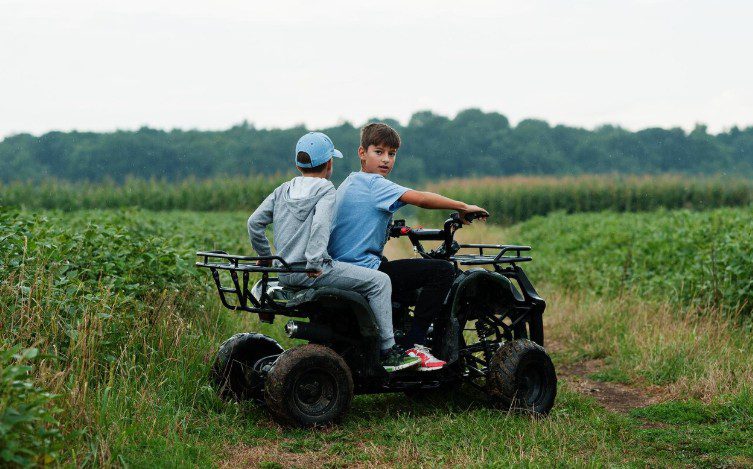
3. One Seat, One Rider ATVs are designed for a single operator. Carrying a passenger disrupts the vehicle’s balance, making it unstable and significantly increasing the risk of a rollover. Never allow passengers on a single-rider machine.
4. Take an Approved Training Course All drivers should complete a hands-on ORV safety training course from a certified instructor. This teaches essential skills for vehicle control, risk management, and emergency response.
5. Keep ORVs Off Paved Roads Never ride on paved surfaces. ORVs are designed exclusively for off-road trails and terrain.
Protecting Our Children: A Call to Action
The evidence is overwhelming: off-road vehicles are not toys. They are heavy machinery that requires a level of maturity, strength, and cognitive skill that children simply do not possess.
As parents and caregivers, the most important step we can take is to prioritize safety over recreation. This means recognizing the science-backed risks and making the difficult but necessary decision to keep children from operating ORVs until they are developmentally and physically ready.
The call from Canada’s paediatricians is a plea to prevent more families from experiencing an unimaginable loss. By enforcing strict safety rules, advocating for stronger regulations, and understanding the true dangers, we can work together to keep our children safe.
 Jamie Townsend
  Sierra Powell