
3 min read
523 words
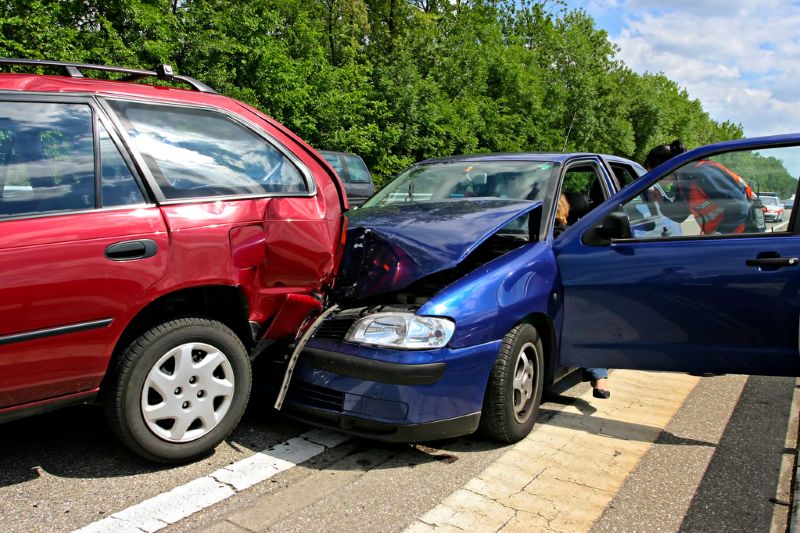
Experiencing car damage—whether from a minor fender-bender or a more severe accident—can instantly trigger panic and stress. In the immediate aftermath, knowing the right steps to take is crucial not only for safety but also for protecting your financial and legal interests. Dealing with an incident doesn’t have to be overwhelming. Following a structured, three-step approach helps you manage the situation effectively, streamline your choices, and minimize resulting stress. Here is your professional checklist detailing what to do after your car gets damaged, guiding you from scene management to final repairs.
1. Making the Scene Safe and Reducing Immediate Risks
Securing the accident scene is typically the primary priority, as a stable environment helps prevent additional hazards and enables clear decision-making for subsequent actions. Consider activating emergency flashers, relocating to a safe area if the vehicle remains operational, and deploying warning devices when circumstances permit, since ensuring other drivers’ awareness is crucial. Assessing potential injuries should follow, while seeking professional assistance may be necessary if uncertainty exists. Taking time to remain composed and avoiding hasty choices that could increase danger is advisable. Many jurisdictions require individuals to remain at the scene and departing without sharing essential details may create future complications. A methodical approach generally determines how events unfold in the subsequent moments.
2. Capturing Facts and Keeping Straightforward Records
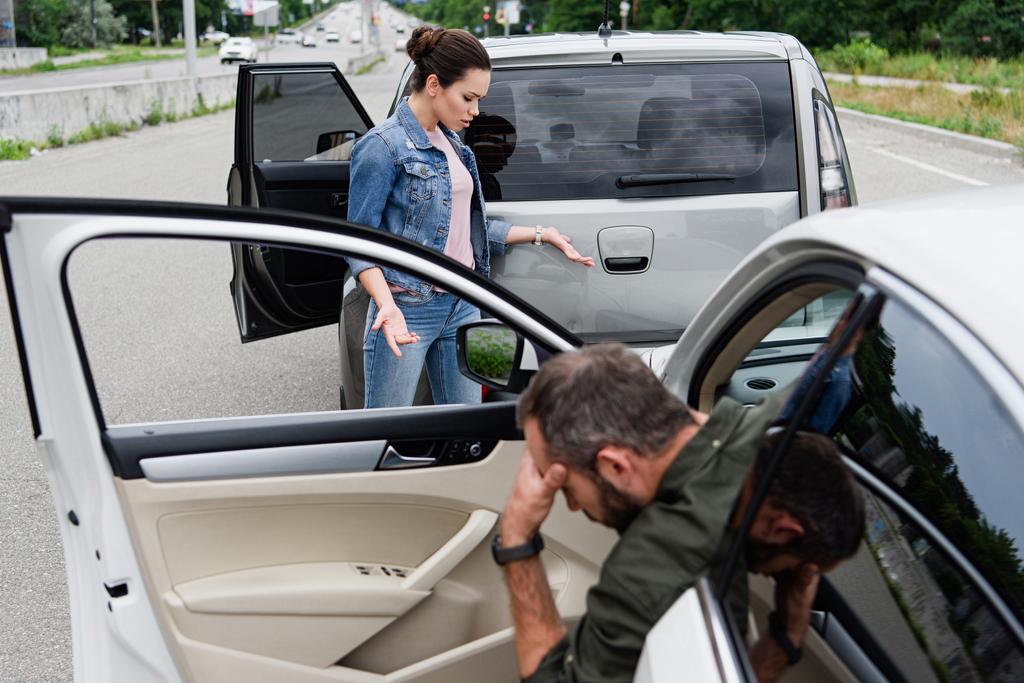
Creating a thorough record of the incident involves maintaining clear, shareable documentation that includes essential elements like photographs, timestamps, site details, and concise descriptions. You might capture multiple views of the vehicle, document relevant road signs, and take detailed shots of specific damage areas for future reference. Exchange crucial information including personal details, vehicle registration numbers, and insurance documentation, while noting environmental conditions for context. You may ultimately obtain the California Highway Patrol car accident report, for example, as it outlines details of the incident. Organizing all documentation, including official reports and personal records, in a single digital or physical location ensures easy access for subsequent proceedings.
3. Planning Repairs and Tracking Follow-Up Tasks
Evaluating multiple quotes aligned with your insurance coverage helps streamline repair planning. Select a reputable facility that complies with requirements and determine a realistic service timeline. Request detailed breakdowns of components, labor costs, estimated completion timeframes, and warranty coverage. Maintaining an organized repair checklist proves beneficial. Coordinate vehicle delivery, verify temporary transportation arrangements, and confirm component inventory. These elements typically influence repair duration. Should dashboard indicators illuminate or vehicle behavior change post-service, documenting observations and immediately notifying the repair center can prevent minor issues from escalating. Retaining service documentation, damage photographs, and detailed maintenance records creates valuable documentation for future servicing, particularly when minor tweaks or wheel balancing become necessary.
Conclusion
Dealing with car damage can feel overwhelming, but by breaking it down into these three clear steps – Assess & Secure, Inform & Insure, and Repair & Restore – you can approach the situation with confidence and efficiency. Remember to stay calm, document everything, and trust the professionals to get you back on the road safely and smoothly.
Has your car ever been damaged? What was your experience like? Share your tips and stories in the comments below!
 Jamie Townsend
  Sierra Powell