
5 min read
934 words
The trading world has changed dramatically over the past few years, and it’s not just about flashier screens or faster internet connections. Technology has genuinely transformed how everyday people interact with financial markets, breaking down walls that once seemed insurmountable. What started as simple platforms with basic buy and sell functions has evolved into sophisticated ecosystems packed with artificial intelligence, real-time analytics, and algorithms that would’ve seemed like science fiction not long ago. These trade tools aren’t just making trading more accessible; they’re fundamentally reshaping how people think about investing, managing risk, and building portfolios.
Advanced Charting and Technical Analysis Platforms
Today’s charting platforms have completely transformed the way traders read and interpret market movements. Gone are the days of crude line graphs and guesswork; modern interfaces offer hundreds of technical indicators, customizable timeframes, and drawing tools that let you analyze markets with surgical precision. You can overlay multiple indicators at once, compare different assets side by side, and even backtest your strategies against decades of historical data to see how they would’ve performed. What sets these platforms apart is how they turn mountains of complex data into visual stories that make sense.
Automated Trading Systems and Algorithmic Solutions
Automated trading systems have genuinely changed the game by taking the constant monitoring burden off traders’ shoulders. These systems can watch multiple markets simultaneously, execute trades based on specific criteria you set, and adjust positions as conditions shift, all with a speed and consistency that human traders simply can’t match. The beauty of algorithmic solutions lies in how they strip emotion out of the equation, executing your strategy exactly as planned regardless of whether markets are calm or chaotic. They process massive amounts of data in milliseconds, catching opportunities that would slip past even the most attentive manual trader. For those running complex strategies across various exchanges and timeframes, automated trading bots deliver the consistency and lightning-fast execution that modern markets demand. What’s truly revolutionary is how accessible these technologies have become, allowing individual traders to deploy automation that rivals what institutional players use. Modern platforms have made it remarkably easy to build, test, and launch automated strategies without needing a computer science degree, opening doors that were firmly shut just a few years ago.
Real-Time Data Feeds and Market Intelligence Tools
Real-time market data is essential for anyone serious about trading today. Professional-grade feeds now deliver millisecond-level updates on everything from price movements to order book dynamics across markets worldwide, giving traders the instant information they need to act decisively. But it’s not just about price quotes anymore; these comprehensive streams include sentiment indicators, breaking news, social media analysis, and fundamental data that help you understand the “why” behind market movements. Advanced intelligence platforms pull together information from thousands of sources, using natural language processing and machine learning to spot emerging trends and potential market-movers before they hit mainstream radar.
Mobile Trading Applications and Cloud-Based Platforms
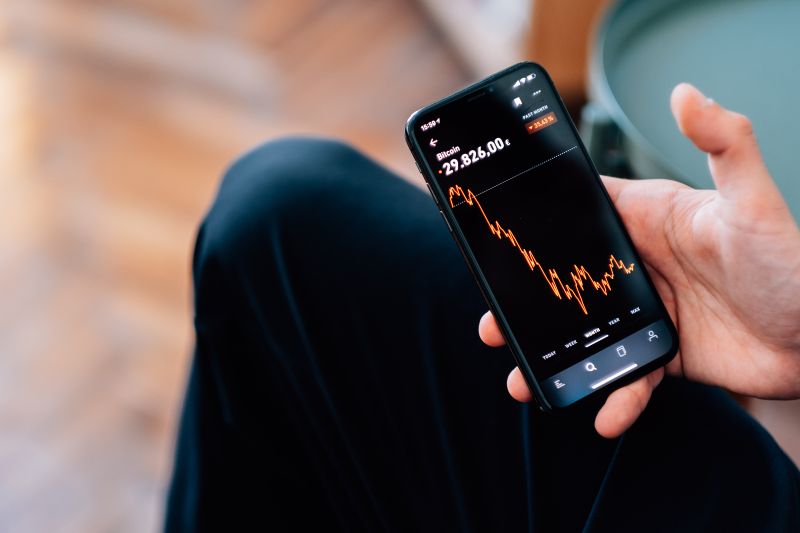
Mobile trading apps have freed traders from being chained to their desks, and that freedom has fundamentally changed how people participate in markets. These powerful applications pack nearly all the functionality of desktop platforms, advanced charts, order execution, portfolio management, real-time alerts, into interfaces designed specifically for smartphones and tablets. Cloud-based platforms have taken things even further by eliminating the need for expensive hardware altogether, letting you access sophisticated tools and run complex analyses from literally any device with a browser. Everything syncs seamlessly across your devices, so your watchlists, charts, and strategies stay consistent whether you’re on your laptop, phone, or tablet.
Social Trading Networks and Copy Trading Platforms
Social trading platforms have brought a collaborative element to markets that didn’t really exist before, creating communities where traders share ideas, strategies, and actual performance results. These networks let newcomers watch and learn from successful traders in real-time, gaining access to insights and approaches that might otherwise take years of expensive trial and error to develop. Copy trading features let you automatically mirror the trades of experienced traders you trust, essentially allowing you to benefit from their expertise while you’re still learning the ropes. The transparency around performance metrics, win rates, risk statistics, historical returns, makes it much easier to identify consistently successful traders worth following.
Risk Management and Portfolio Analysis Tools
Modern risk management tools have become just as important as the tools you use to find trades in the first place. Sophisticated position sizing calculators automatically figure out how much you should risk on each trade based on your account size, risk tolerance, and current market volatility, taking the guesswork out of one of trading’s most critical decisions. Portfolio analysis platforms give you a bird’s-eye view of your total exposure across all your positions and asset classes, highlighting concentration risks and correlation patterns that aren’t obvious when you’re just looking at individual trades. Stress testing capabilities let you model how your portfolio would hold up during various nightmare scenarios, market crashes, volatility spikes, liquidity crunches, so you can adjust before problems hit.
Conclusion
The tools available to traders today represent a massive leap forward from what was possible even five or ten years ago. These technological breakthroughs have genuinely democratized access to professional-grade trading infrastructure, letting individual traders compete with institutional players in ways that once seemed impossible. The evolution shows no signs of slowing down either. Enhanced artificial intelligence, quantum computing applications, and deeper integration of blockchain-based systems are already on the horizon. As these tools continue advancing and becoming more widely available, the line between professional and retail trading capabilities will keep blurring, creating opportunities that previous generations of traders could only dream about.
 Debbie Price
  Nancy Whitmore
  Sierra Powell