

9 min read
1746 words
The moment a teenager earns their driver’s license is a milestone filled with excitement, newfound freedom, and a significant step towards independence. For parents, it’s often a mix of pride, a touch of anxiety, and the looming question: “How much is this going to cost in car insurance?” In Canada, the answer isn’t always straightforward, and it often comes with a hefty price tag. Car insurance is a legal requirement across all Canadian provinces and territories, designed to protect drivers, passengers, and other road users in the event of an accident. For new drivers, particularly teenagers, the cost of this essential coverage can be surprisingly high, often dwarfing the premiums paid by more experienced drivers. This post aims to shed light on the realities of teen car insurance, exploring why rates are so high, what factors influence them, and practical strategies to help ease the financial burden.
Understanding the High Cost of Teen Car Insurance in Canada
Why do insurance companies charge so much for teen drivers? The core reason is simple: risk. Statistically, young, inexperienced drivers are involved in more accidents than any other age group. This isn’t unique to Canada; it’s a global trend. There are several contributing factors to this elevated risk profile:
- Lack of Experience: New drivers simply haven’t had enough hours behind the wheel to develop the advanced hazard perception, decision-making skills, and reflexes that come with years of driving.
- Higher Propensity for Risk-Taking: Teenagers, due to neurological development, are often more prone to impulsive behaviour and underestimating risks. This can manifest in speeding, aggressive driving, or not leaving enough following distance.
- Distracted Driving: While a problem for all age groups, teens are particularly susceptible to distractions from cell phones, peer passengers, and in-car entertainment systems.
- Impaired Judgment: Even minor amounts of alcohol or drugs can have a disproportionate effect on a new driver’s ability to operate a vehicle safely.
Given these factors, insurance companies view teens as a significant liability. They calculate their premiums based on actuarial data, which clearly shows that this demographic files more claims, and those claims are often more severe.
So, what’s the average? Pinpointing a single “average” for teen car insurance in Canada is challenging because rates vary dramatically by province, city, specific postal code, individual driver profile, and the vehicle being insured. However, it’s not uncommon for a new teen driver to pay anywhere from $3,000 to $7,000 or even more annually for car insurance if they are on their own policy. When added to a parent’s policy, the increase to the overall family premium can still be substantial, often in the range of $1,500 to $4,000+ per year.
It’s crucial to remember that this is a very broad range. Provinces with public auto insurance models (British Columbia, Manitoba, Quebec – though Quebec also has a private component for property damage) may have different pricing structures compared to provinces with entirely private insurance markets (e.g., Ontario, Alberta, Nova Scotia). Ontario, for example, is notorious for having some of the highest auto insurance rates in the country, which disproportionately affects young drivers.
Key Factors Affecting Teen Car Insurance Rates
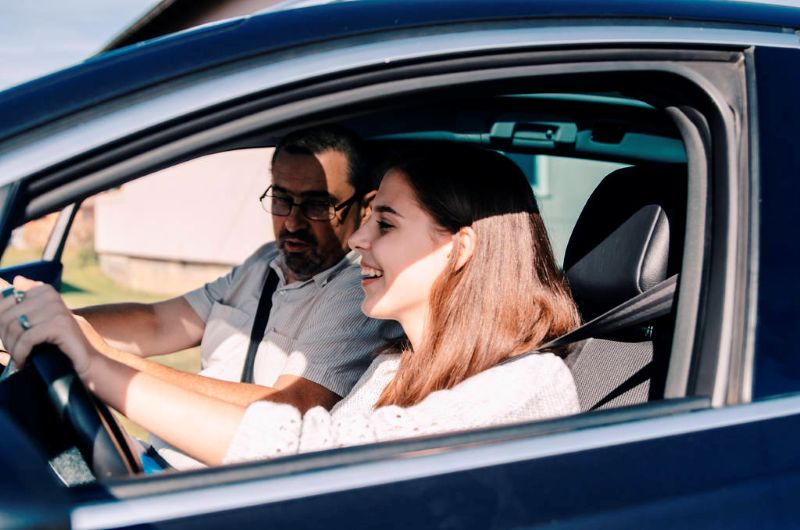
While the general risk profile of teens drives up base rates, several specific factors further fine-tune the premium you’ll pay. Understanding these can help you anticipate costs and make informed decisions.
- Driver-Specific Factors:
- Age and Gender: Younger teens (e.g., 16-18) typically pay the most. While some insurers are moving away from gender-based pricing due to regulations or ethical considerations, historically, young males have paid more than young females due to higher accident rates.
- Driving Record: This is paramount. A clean driving record with no tickets (speeding, distracted driving, parking where prohibited, etc.) or at-fault accidents is the single best way to keep premiums from skyrocketing. Even minor infractions can significantly increase rates for a new driver.
- Location: Where the teen lives and drives heavily influences rates. Urban centres with higher traffic density, greater theft rates, and more frequent accidents will have significantly higher premiums than rural areas. Even within the same city, different postal codes can see rate variations.
- Driving Experience: The longer a teen holds a driver’s license without incident, the more their rates will gradually decrease. Insurance companies reward experience and a proven track record of safe driving.
- Academic Performance: Many insurers offer “Good Student Discounts” for teens who maintain a B average (or equivalent). This incentive recognizes that responsible students often exhibit responsible behaviour behind the wheel.
- Vehicle-Specific Factors:
- Make, Model, and Year of the Vehicle: The type of car matters immensely.
- Repair Costs: Cars that are expensive to repair or have costly parts will lead to higher premiums.
- Safety Ratings: Vehicles with excellent safety ratings (e.g., top marks in crash tests) can sometimes qualify for discounts.
- Theft Rates: Models frequently targeted by thieves will carry higher theft coverage costs.
- Engine Size/Horsepower: Sports cars, high-performance vehicles, or those with powerful engines are almost always more expensive to insure for teens, as they are often associated with higher speeds and risk-taking. Opting for an older, reliable, and less powerful car is often the most cost-effective choice.
- Safety Features: Anti-lock brakes, airbags, electronic stability control, and advanced driver-assistance systems (ADAS) like lane-keeping assist or automatic emergency braking can sometimes lead to discounts.
- Anti-Theft Devices: Factory-installed immobilizers, car alarms, or tracking systems can also help reduce premiums.
- Vehicle Usage: How much the car is driven annually (kilometres driven) and its primary purpose (commuting to work/school vs. occasional leisure use) can impact rates, especially if the insurer offers low-kilometre discounts or usage-based insurance programs.
- Make, Model, and Year of the Vehicle: The type of car matters immensely.
- Policy-Specific Factors:
- Coverage Levels: Choosing only the legally mandated minimum liability coverage will be cheaper than adding comprehensive, collision, and higher liability limits. However, skimping on coverage can leave you financially vulnerable in a serious accident.
- Deductibles: This is the amount you pay out-of-pocket before your insurance kicks in for a claim. Opting for a higher deductible will lower your premium, but you must be prepared to pay that larger sum if you make a claim.
- Insurer: Different insurance companies have varying algorithms and risk assessments. This is why shopping around is so crucial.
- Bundling: Combining multiple insurance policies (e.g., home and auto, or insuring multiple vehicles) with the same provider often results in a multi-policy discount.
Strategies to Lower Teen Car Insurance Costs
While the cost of insuring a teen driver in Canada can be daunting, there are several proactive steps parents and teens can take to reduce premiums and make the expense more manageable.
- Add Them to an Existing Family Policy: This is almost always the most cost-effective option. Insuring a teen on their own policy as a primary driver will be significantly more expensive than adding them as an occasional or secondary driver to a parent’s established policy. Insurance companies view the risk as being spread across multiple drivers and vehicles.
- Choose the Right Vehicle: As mentioned, vehicle choice is critical. Opt for a safe, reliable, and modestly powerful car that is known for lower repair costs and good safety ratings. Avoid sports cars, luxury vehicles, or any car with a reputation for being expensive to fix or a target for theft. A used sedan or a small, practical SUV is often ideal.
- Maintain an Impeccable Driving Record: This cannot be stressed enough. For a new driver, even one speeding ticket can dramatically increase premiums and stay on their record for several years. Encourage defensive driving habits, emphasize the dangers of distracted driving, and set clear expectations about obeying all traffic laws.
- Enroll in Approved Driver Training Courses: Many Canadian provinces require new drivers to complete an approved driver education course to shorten the waiting period for higher-stage licenses. Beyond this, some insurance companies offer discounts for students who complete accredited defensive driving programs, as they demonstrate a commitment to safe driving.
- Leverage Student Discounts: If your teen maintains good grades (typically a B average or 80%), inquire about a “Good Student Discount” from your insurer. It’s a simple way to save money if your teen is academically inclined.
- Consider Telematics or Usage-Based Insurance (UBI): Many insurers offer programs where a small device is installed in the car (or an app is used on a smartphone) to monitor driving habits such as speed, braking, acceleration, and time of day driven. Safe drivers who opt into these programs can often earn significant discounts upon renewal. This can be particularly beneficial for teens who are genuinely safe drivers.
- Increase Deductibles (with Caution): If you have sufficient emergency funds, opting for a higher deductible on collision and comprehensive coverage can lower your annual premium. Just be prepared to pay that higher deductible out-of-pocket if an accident occurs.
- Shop Around Extensively: Do not settle for the first quote you receive. Insurance rates vary significantly between companies. Obtain quotes from at least three to five different insurers, including independent brokers who can shop multiple companies on your behalf. Even a difference of a few hundred dollars can add up over the years.
- Periodically Review Your Policy: As your teen gains experience and a clean driving record, their rates should ideally decrease. Don’t be afraid to ask your insurer for a review of your policy every year or two, or to re-shop the market for better rates.
- Discuss Driving Habits and Responsibilities: Open communication about the costs and responsibilities associated with driving can empower teens to be more mindful of their choices. Setting clear rules (e.g., no driving after midnight, limits on passengers) can also contribute to safer driving and potentially lower risk in the eyes of an insurer.
Conclusion
The journey of a teen driver is an exciting one, but the financial realities of car insurance can be a significant hurdle. While average costs for teen car insurance are undeniably high due to increased risk, they are not insurmountable. By understanding the factors that influence premiums and proactively implementing cost-saving strategies, parents and teens can navigate this expense more effectively.
Investing in safe driving education, choosing the right vehicle, maintaining a pristine driving record, and diligently shopping for the best insurance rates are all crucial steps. Ultimately, the goal is not just to find the cheapest insurance, but to foster responsible, safe driving habits that will benefit your teen for a lifetime—not only through lower premiums but, more importantly, through safer journeys on Canada’s roads. Don’t hesitate to reach out to insurance brokers and providers to explore all your options and find a policy that offers both adequate coverage and peace of mind.
 Lynn Leblanc
  Leo Allen