

7 min read
1375 words
Winter. The word itself conjures images of cozy evenings by the fire, hot cocoa, and perhaps a gentle dusting of snow. But for many of us, it also brings a healthy dose of trepidation when it comes to navigating those same snowy roads. We all want to get where we need to go, but more importantly, we want to get there safely. And when the white stuff starts falling, that’s where the humble winter tire truly shines. If you’ve ever found yourself white-knuckling it on an icy patch, or spinning your wheels helplessly as the snow piles up, you know the frustration and, frankly, the fear. It’s a stark reminder that your standard all-season tires aren’t designed for the extreme conditions that winter throws at us. So, the big question on everyone’s mind as the temperature drops is: Which winter tires will keep you safe on snowy roads?
Let’s dive in and find out!
The Science Behind Snowy Road Grip: Why Winter Tires Matter
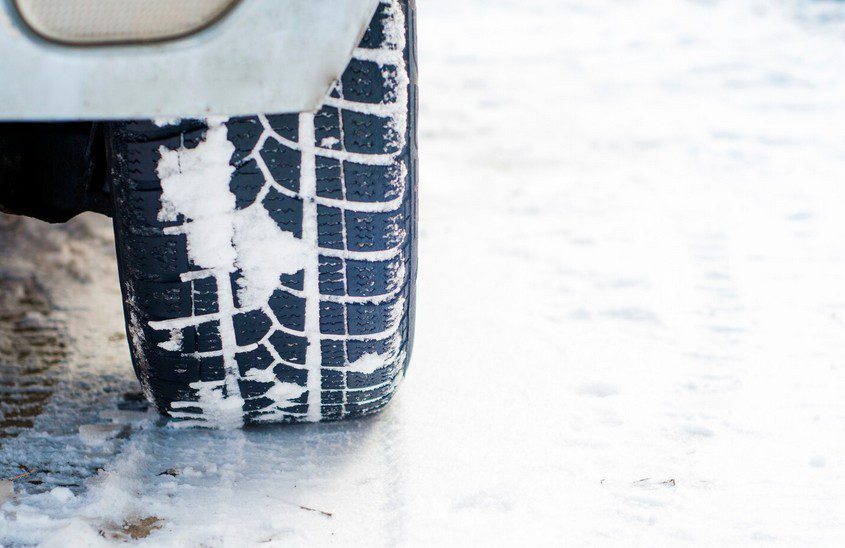
Before we start naming names (or rather, tire models!), it’s crucial to understand why winter tires are so different. It all comes down to two key factors: rubber compound and tread design.
Think about it: when it gets cold, the rubber in regular tires actually hardens. This makes them less pliable and less able to grip the road surface. Winter tires, on the other hand, are made with a special rubber compound that stays flexible even in frigid temperatures. This flexibility allows the tire to conform to the road’s imperfections, providing significantly more contact and thus, better traction.
Then there’s the tread. Winter tires boast deeper, more aggressive tread patterns with wider grooves. These aren’t just for show! The deeper tread allows the tire to bite into snow and slush, essentially scooping it out of the way for better grip. Those wider grooves also help to channel water and slush away from the tire, preventing hydroplaning on slushy roads. You’ll also notice a whole lot more sipes – those tiny, intricate slits in the tread blocks. These act like thousands of little biting edges, providing incredible grip on ice and packed snow.
So, when you’re comparing winter tires, keep these fundamental differences in mind. It’s not just marketing hype; it’s solid engineering designed to keep you in control when the weather tries its hardest to take it away.
Navigating the Options: What to Look for in a Winter Tire
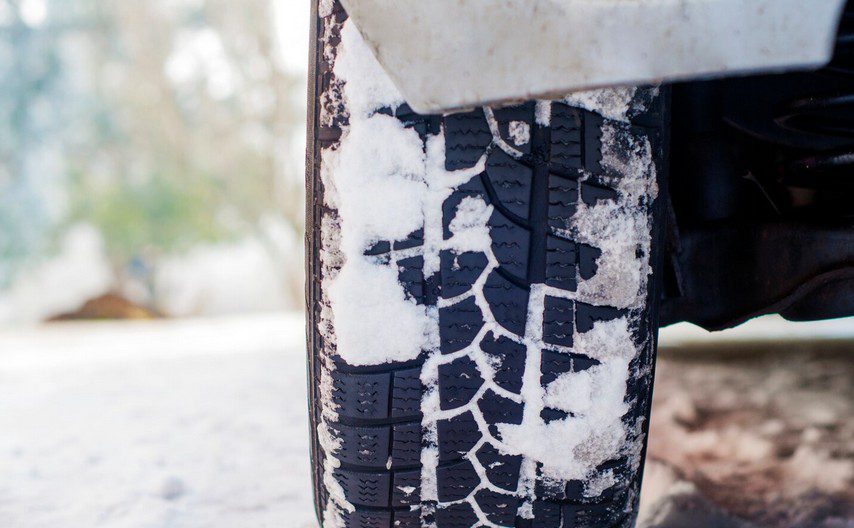
Okay, you’re convinced winter tires are a must-have. Now, where do you start? The world of winter tires can seem a bit overwhelming with so many brands and models. But fear not! We can break down the essential features to look for.
Firstly, you’ll want to ensure the tires you choose are specifically designed for winter driving. This is usually indicated by a three-peak mountain snowflake symbol (3PMSF) on the sidewall. This symbol is a certification that the tire has passed rigorous standardized tests for snow traction. While some all-season tires might have this symbol, true winter tires will generally outperform them in harsh conditions.
Next, consider the type of snow and ice you encounter most often. Are you dealing with deep, fluffy snow in rural areas or more of a packed, icy grind on city streets? Some tires are specifically engineered for extreme snow traction, featuring more aggressive tread patterns and larger tread blocks. Others are optimized for ice and slush, with a focus on maximizing the biting edges of their sipes.
Studdable vs. Non-Studded: This is a classic debate! Studdable winter tires have pre-drilled holes that allow for small metal studs to be inserted. These studs can offer phenomenal grip on sheer ice. However, they can also be noisy on dry pavement and are illegal in some regions. Non-studded winter tires, while not offering the same ultimate ice grip as studded tires, are much more versatile, quieter, and legal everywhere. For most drivers, a high-quality non-studded winter tire is the best all-around choice.
Tire Size: Always ensure you get the correct size tires for your vehicle. This information can be found in your owner’s manual or on a sticker inside your driver’s side doorjamb. While you can sometimes go slightly narrower for winter tires (as a narrower tire can cut through snow better), it’s usually best to stick to the manufacturer’s recommended dimensions for optimal performance and safety.
Finally, read reviews! Tire manufacturers often have specific models that are lauded for their performance in certain conditions. Look for reviews from reputable automotive publications and, importantly, from fellow drivers in your region who experience similar winter climates.
Top Contenders: A Look at Some Highly-Rated Winter Tire Options
While “the best” winter tire is subjective and depends on your specific needs and vehicle, there are several brands and models consistently praised for their winter prowess. Here are a few examples of popular and highly-regarded winter tires that you can use as a starting point for your research:
1. Bridgestone Blizzak WS Series (e.g., Blizzak WS90): The Blizzak line from Bridgestone is almost legendary in the winter tire world. Known for their exceptional grip on ice and packed snow, these tires utilize Bridgestone’s advanced “Tube Multicell Compound” which actively absorbs a thin layer of water on the road surface, allowing the tire to maintain contact even on slick ice. They are incredibly popular for good reason and offer a fantastic balance of snow and ice traction.
2. Michelin X-Ice Snow: Michelin is another brand synonymous with quality, and their X-Ice Snow tires live up to the reputation. These tires are celebrated for their excellent longevity, impressive snow and ice grip, and surprisingly quiet ride. The tread design is optimized for both clearing slush and biting into snow, making them a very capable all-around winter performer. If you’re looking for a winter tire that also offers a comfortable driving experience, the X-Ice Snow is a strong contender.
3. Continental VikingContact 7: Continental’s VikingContact 7 is a formidable winter tire that excels in a variety of challenging conditions. It features a unique tread pattern with different types of sipes that adapt to changing road surfaces. This tire is particularly praised for its confident handling and braking in snow and ice, giving drivers a secure feeling behind the wheel. It’s a great option for those who demand high performance from their tires.
4. Nokian Hakkapeliitta R5 (or similar Nokian tires): Nokian Tires are a Finnish company, and it’s no surprise they are experts in snow and ice. Their Hakkapeliitta line is often considered the benchmark for extreme winter performance. The R5, for example, is designed for excellent grip on ice and packed snow, with a tread compound that remains flexible in the coldest temperatures. If you live in an area with harsh, snowy winters and prioritize ultimate traction, Nokian is definitely worth a serious look.
5. Goodyear WinterCommand Ultra: Goodyear’s WinterCommand Ultra is a strong performer that aims to provide superior grip and handling in the toughest winter conditions. It features an advanced tread compound and a specialized tread pattern designed to maximize contact with the road and evacuate snow and slush effectively. They are often noted for their responsive steering and reliable braking.
Remember, this is just a snapshot. There are many other excellent winter tire brands and models out there, like Pirelli, Yokohama, and Firestone, that also offer fantastic options. The key is to do your homework, consider your driving needs, and look for that 3PMSF symbol!
The Bottom Line: Investing in Your Safety
Choosing the right winter tires isn’t just about avoiding getting stuck; it’s a crucial investment in your safety and the safety of those around you. When you equip your vehicle with tires specifically designed for snow and ice, you’re giving yourself a significant advantage. You’ll experience better braking, improved acceleration, and more confident cornering. This translates to fewer stressful commutes and a greater peace of mind when the winter weather descends.
Don’t wait until the first major snowfall to think about your tires. Start your research now, consult with a reputable tire professional, and make an informed decision. A good set of winter tires will transform your winter driving experience, allowing you to embrace the beauty of the season without the constant worry of treacherous roads. Drive safe, drive smart, and enjoy the snow!
 Lynn Leblanc
  Leo Allen