
5 min read
999 words
As the seasons change, so does the road beneath your wheels. Navigating everything from icy highways to sun-baked asphalt requires the right footwear for your vehicle. But with terms like “winter tires,” “all-season tires,” and the newer “all-weather tires” swirling around, it can be a bit confusing to know what’s best for your driving needs. Don’t worry, we’re here to demystify the tire landscape and help you make an informed decision that keeps you safe and confident on the road, no matter the weather.
The Stalwart: All-Season Tires
Let’s start with the most common option: All-Season Tires. You’ll find these as the standard on many new vehicles, and for good reason.
What they are: All-season tires are designed to offer a balance of performance across a wide range of conditions. They’re a jack-of-all-trades, aiming for decent grip in dry, wet, and light snow conditions.
Key Features:
- Tread Design: They typically have a less aggressive tread pattern than winter tires, with a combination of circumferential grooves to evacuate water and sipes (small slits) for improved traction on lighter snow.
- Rubber Compound: The rubber compound is formulated to remain somewhat flexible in cooler temperatures but can also withstand the heat of summer without becoming too soft.
- Performance: They perform best in moderate climates where extreme temperatures and heavy snowfall aren’t a daily concern.
Who they’re for:
- Drivers in regions with mild winters and infrequent snowfall.
- Those who prefer the convenience of a “set it and forget it” tire solution.
- Individuals who prioritize a balance of comfort and performance for everyday driving.
The Caveat: While “all-season” sounds appealing, it’s important to remember they are a compromise. They are not specifically engineered for the demanding conditions of severe winter weather. In freezing temperatures and deep snow, their performance can significantly diminish.
The Winter Warrior: Winter Tires (or Snow Tires)
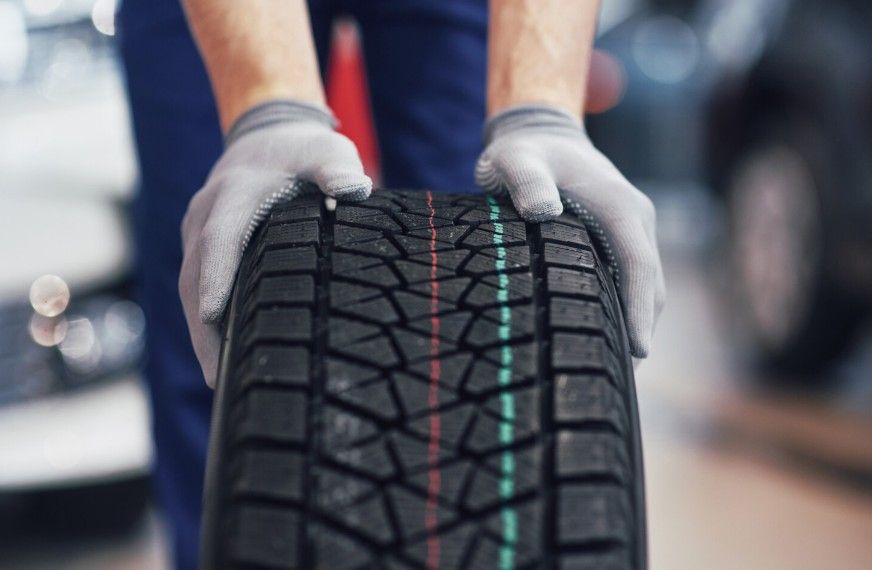
When the mercury drops and the snow starts to fly, Winter Tires become your absolute best friend. These are the specialists, designed for one purpose: to conquer the cold.
What they are: Winter tires are built with advanced technology to provide optimal grip, braking, and handling in freezing temperatures, snow, ice, and slush.
Key Features:
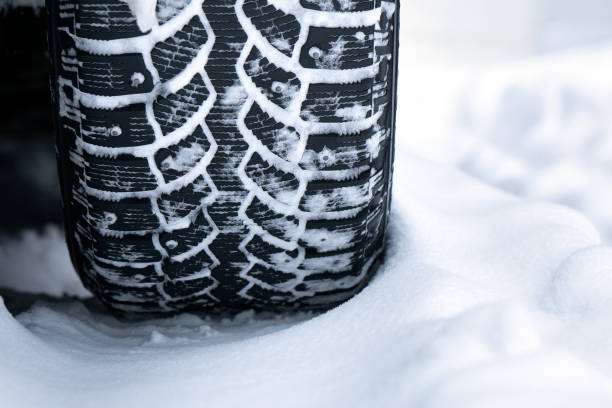
- Deep, Aggressive Tread: Their tread patterns are much deeper and feature more biting edges and larger voids. This design helps to dig into snow and push away slush and water, maximizing contact with the road surface.
- Specialized Rubber Compound: The magic lies in their rubber compound. It’s specifically formulated to stay soft and flexible even in sub-zero temperatures. This flexibility is crucial for maintaining grip on cold surfaces.
- Siping: You’ll notice an abundance of tiny slits, or sipes, on winter tires. These sipes create thousands of extra gripping edges that bite into ice and snow for superior traction.
- Snow Pockets: Many winter tires have specialized tread blocks designed to trap snow, which then compacts to provide excellent grip.
Who they’re for:
- Drivers in regions that experience significant snowfall, icy conditions, and consistently cold temperatures (typically below 7°C or 45°F).
- Anyone prioritizing maximum safety and confident handling during the harshest winter months.
- Drivers who frequently face challenging winter road conditions like unplowed roads or steep hills.
The Advantage: The difference in performance between all-season tires and winter tires in severe winter conditions is dramatic and can be a matter of safety. They offer significantly better braking, acceleration, and cornering. For many, investing in a set of winter tires and switching them out seasonally is the safest choice.
The Hybrid: All-Weather Tires
Enter the newcomer, All-Weather Tires. These tires aim to bridge the gap between all-season and winter tires, offering a more robust solution for varied climates without the need for seasonal changes.
What they are: All-weather tires combine the features of both all-season and winter tires. They are designed to perform well in a wider range of temperatures and conditions than all-season tires, including light to moderate snow.
Key Features:
- Tread Design: They often have a more aggressive tread pattern than all-season tires, with deeper grooves and more sipes, similar to winter tires but optimized for year-round use.
- Rubber Compound: The rubber compound is engineered to remain pliable in colder temperatures while also being durable enough to withstand warmer weather.
- 3PMSF Symbol: A key indicator for all-weather tires is the Three-Peak Mountain Snowflake (3PMSF) symbol. This marking signifies that the tire has met specific performance requirements in snow testing, indicating better snow traction than a standard all-season tire.
Who they’re for:
- Drivers in regions with moderate winters where temperatures dip below freezing but heavy, prolonged snowfall isn’t the norm.
- Those who want a single set of tires that can handle a wider spectrum of weather conditions, including light snow, without the hassle of switching seasonally.
- Drivers who want a step up in winter performance compared to traditional all-season tires.
The Trade-off: While all-weather tires offer a compelling middle ground, they are still a compromise. They generally won’t offer the same extreme winter traction and braking performance as dedicated winter tires in severe conditions. Similarly, in very hot summer conditions, their tread may wear slightly faster than a dedicated summer or all-season tire.
Making Your Choice: What’s Right for You?
The best tire for your vehicle ultimately depends on your local climate, driving habits, and personal priorities:
- For mild climates with rare snow: All-Season Tires are likely sufficient.
- For regions with consistently cold winters, snow, and ice: Winter Tires are the safest and most recommended option. Consider storing your off-season tires properly.
- For areas with moderate winters and some light snow, or if you prefer a single set of tires: All-Weather Tires offer a good balance and improved winter capability over all-seasons.
Don’t forget: Regular tire maintenance, including checking tire pressure and tread depth, is crucial for all tire types to ensure optimal performance and safety throughout their lifespan.
By understanding the distinct capabilities of each tire type, you can make the smartest choice for your vehicle, ensuring a safer and more comfortable drive all year round. Happy driving!
 Lynn Leblanc