
5 min read
913 words
The leaves are turning, the air is crisp, and the driving season is winding down. For owners of cherished classic cars and high-performance sports models, this signals an important transition: the shift from exhilarating road trips to careful preparation for hibernation. Leaving your prized possession unattended for months without proper care can lead to rust, flat spots on tires, battery drain, and costly repair bills come spring. Don’t just cover your car and walk away! Following a thorough classic car winter storage checklist is the key to ensuring your vehicle emerges in peak condition next spring. This comprehensive, friendly guide details the essential steps for successful winterizing a classic car or sports model.
Phase 1: Cleaning, Protecting, and Preventing Pests
The first step in proper sports car winter storage tips often involves the least glamorous task: cleaning. But this step is critical for long-term preservation.
Exterior and Interior Detailing
- Wash and Wax Thoroughly: Dirt, road grime, and lingering summer bugs trap moisture and accelerate rust and paint damage. Give your car a meticulous wash, paying close attention to wheel wells and the undercarriage. Follow up with a coat of high-quality wax or sealant for maximum protection against condensation.
- Protect the Interior: Vacuum carpets and seats thoroughly. Food crumbs and spills attract pests. Place desiccant packs (like silica gel) inside the cabin to help manage humidity and prevent mold or mildew growth.
The Rodent Defence Plan
Rodents are the silent saboteurs of long-term car storage. They love warm, enclosed spaces and can chew through wiring harnesses, upholstery, and vital hoses.
- Block Entry Points: Place steel wool in the tailpipe and air intake (remember to attach a bright note to the steering wheel reminding you to remove them!).
- Avoid Bait Traps: While bait traps kill, the dying rodents can crawl into inaccessible areas. Use non-toxic deterrents like peppermint oil, mothballs (placed around the car, not inside), or ultrasonic sound emitters.
Phase 2: Engine, Fuel, and Fluid Management
A well-preserved engine starts with fresh fluids and a protected fuel system.
The Fuel Stabilizer Essential
Modern pump gasoline begins to degrade rapidly (often in 30–60 days), leading to varnish, blockages, and potential carburetor issues. This is especially true for older engines.
- Top Up and Stabilize: Fill the fuel tank completely (leaving less empty air space helps reduce condensation) and add a high-quality fuel stabilizer. Drive the car for 10–15 minutes afterward to ensure the stabilized fuel circulates throughout the entire system, including the fuel lines and carburetor.
Perform an Oil Change
Do not store your car with old oil. Used oil contains combustion byproducts, acids, and contaminants that can corrode internal engine components over months of inactivity. Change the oil and filter immediately before storage.
Coolant and Antifreeze Check
Ensure your cooling system is filled with the correct mix of antifreeze. This prevents corrosion and guards against freezing, which could catastrophically split engine blocks or radiators.
Phase 3: Battery and Electrical Health
A dead battery is the single most common issue following winter car storage. Even when the ignition is off, modern cars draw a small current to maintain onboard computers, alarms, and clocks.
- Use a Trickle Charger/Maintainer (Recommended): The best solution is connecting a smart battery maintainer or trickle charger. These devices monitor battery voltage and top up the charge as needed without overcharging, keeping the battery healthy for months.
- Alternative: If a charger is not feasible, disconnect the negative battery terminal, or better yet, remove the entire battery and store it in a cool, dry place off the concrete floor, connecting it to the maintainer periodically.
Phase 4: Protecting the Running Gear
Tires and suspension components need specific attention to avoid damage from extended inactivity.
Preventing Tire Flat Spots
When a car sits for months, the area of the tire resting on the ground can develop a semi-permanent deformation known as a flat spot.
- Inflate Heavily: Over-inflate your tires to the maximum recommended pressure printed on the sidewall (or higher than the normal running pressure). This helps lessen the load distortion.
- Consider Jack Stands: For very long-term or highly sensitive performance tires, lifting the car onto jack stands removes the weight completely.
Brake Protection
Avoid engaging the parking brake for long periods, especially in humid conditions. Brake pads can rust onto rotors, making them stick. Use wheel chocks instead. If you must use the parking brake, roll the car slightly every few weeks if possible.
Phase 5: Choosing the Optimal Storage Environment
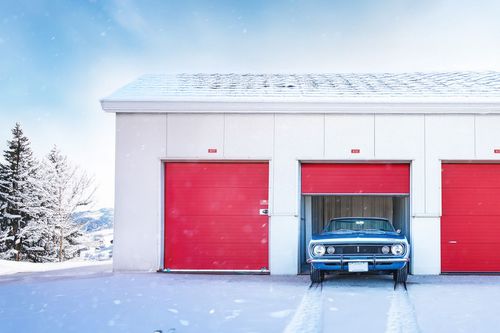
Where you store your vehicle is just as important as how you prepare it.
- Location: A dry, climate-controlled garage is ideal. If storing outdoors, choose a location away from direct sunlight and overhanging trees.
- Humidity Control: High humidity is the enemy, leading to rust and mold. If your garage is damp, consider a dehumidifier.
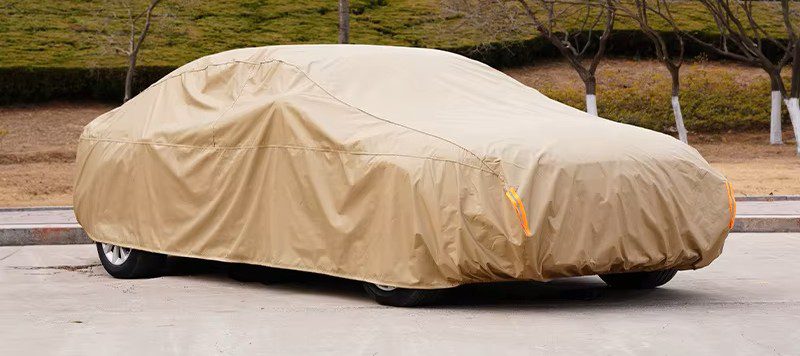
- The Right Cover: Never use a cheap plastic or non-breathable tarp. These trap condensation, essentially creating a sauna for rust. Invest in a high-quality, breathable car cover made from cotton or specialized fabric to protect the finish while allowing moisture to escape.
Ready Await the Spring Thaw
Preparing your classic or sports car for winter car storage requires time and attention to detail, but the investment is worth it. By thoroughly addressing the fuel system, electrical components, and the physical environment, you are safeguarding your investment and ensuring that the moment the weather clears, your cherished vehicle will be ready to roar back to life without complication.
A little effort in the autumn means a smooth, joyful start to the driving season next spring!
 Lynn Leblanc