
7 min read
1223 words
It happens in a flash. A stray shopping cart rolls into your door in a windy parking lot. A moment of misjudgment leads to a scraped bumper. A hailstorm leaves a constellation of tiny dents across your hood. Your vehicle’s pristine finish is now marred, and you’re faced with a classic dilemma: Do you roll up your sleeves and try to fix it yourself, or do you entrust your car to a professional auto body shop?
The allure of a Do-It-Yourself (DIY) repair is undeniable. With countless online tutorials and readily available repair kits, the promise of saving hundreds, or even thousands, of dollars is incredibly tempting. For the truly minuscule surface scratch, a touch-up pen might suffice. But for anything more significant, it’s crucial to look beyond the initial cost and consider the hidden complexities and long-term consequences. This is where the true value of professional auto body repair becomes crystal clear.
The Reality of the Repair: Expertise and Equipment Matter
What often appears as a simple cosmetic issue on the surface can be a surprisingly complex problem. The gap between a DIY attempt and a professional result lies in three key areas: specialized equipment, the science of color matching, and an understanding of modern vehicle materials.
The Right Tools for a Flawless Finish
A typical DIY dent repair kit might include a suction cup puller, a hot glue gun, and some plastic tabs. While these can sometimes improve the appearance of a very shallow dent, they are no match for the arsenal of tools used by a professional technician. A body shop is equipped with:
- Stud Welders and Slide Hammers: For dents that can’t be accessed from behind, technicians weld small pins to the panel, allowing them to pull the dent out with precise, controlled force.
- Specialized Dollies and Hammers: These tools are used to meticulously tap and shape the metal from both sides, relieving stress in the panel and restoring its original contour without stretching or damaging the metal.
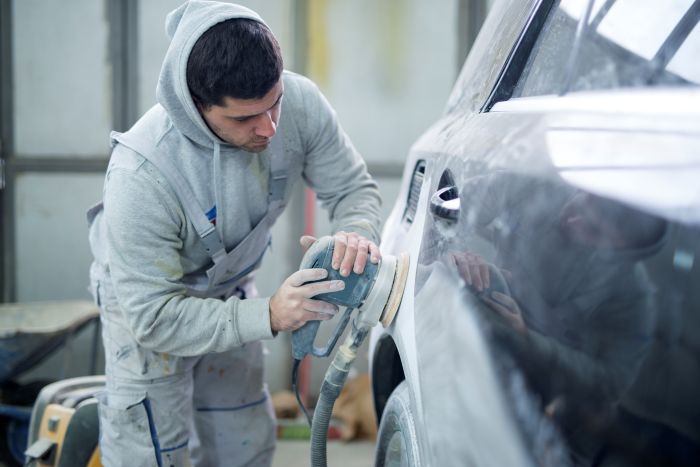
- Professional-Grade Sanders and Blocks: Achieving a perfectly flat and smooth surface for paint application is an art form. Professionals use a variety of sanders and flexible blocking tools to ensure the body filler is feathered seamlessly into the surrounding area, making the repair undetectable by sight or touch.
Without these tools, a DIY repair often results in a “repaired” area that is wavy, uneven, or still visibly damaged upon closer inspection. What you save in cash, you often sacrifice in quality.
The Art and Science of Perfect Paint Matching
This is perhaps the single biggest differentiator between amateur and professional work. You might think that simply buying a spray can with your car’s factory paint code is all it takes. Unfortunately, it’s far more complicated. A vehicle’s paint color changes subtly over time due to sun exposure (UV fading), weather, and microscopic wear. Furthermore, there can be slight variations in color from the factory itself.
A professional auto body shop doesn’t just match a code; they match your car. The process involves:
- Computerized Color Scanning: Technicians use a spectrophotometer to analyze the exact shade of the paint on the panel adjacent to the repair.
- Expert Mixing: This data is fed into a computer that provides a precise formula. An experienced painter then mixes the tints to create a custom batch of paint.
- Blending Techniques: The real magic is in the application. A painter never just sprays the repaired spot. They strategically blend the new paint outwards into the surrounding original paint. This gradual transition tricks the human eye, making the line between the old and new paint completely invisible from any angle.
A DIY rattle can job, on the other hand, almost always results in a noticeable patch of color that is slightly off, with a different texture or gloss level, instantly devaluing the vehicle.
Beyond the Surface: The Lasting Value of Professional Work
A professional repair isn’t just about making the car look good today; it’s about ensuring its safety, protecting its value, and giving you peace of mind for years to come.
Ensuring Structural Integrity and Safety
Modern vehicles are marvels of engineering, designed to protect occupants in a collision. The damage you can see is often only part of the story. A seemingly minor bump could conceal a bent frame component, a cracked bumper reinforcement bar, or damage to a crumple zone. These are critical safety features designed to absorb and redirect impact energy.
Furthermore, today’s cars are packed with technology. Parking sensors, blind-spot monitors, adaptive cruise control, and airbag sensors are frequently located in or behind bumpers and body panels. An improper repair can:
- Compromise Sensor Function: A thick layer of body filler or an incorrectly positioned panel can block or misalign Advanced Driver-Assistance Systems (ADAS) sensors, causing them to fail when you need them most.
- Interfere with Airbag Deployment: Damage near an impact sensor could compromise its ability to deploy the airbag correctly in a future accident.
Professional shops are trained to identify this hidden damage. They follow manufacturer procedures to ensure all structural components are sound and that all safety systems are recalibrated and functioning perfectly after the repair is complete. This is a level of safety assurance that a DIY project simply cannot offer.
Protecting Your Vehicle’s Resale Value
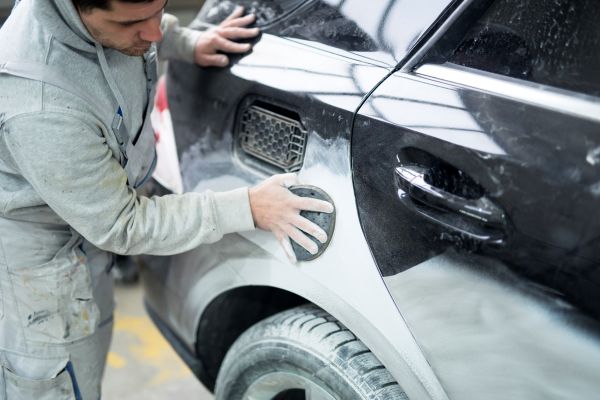
When it comes time to sell or trade in your vehicle, a poor repair is one of the biggest red flags for a potential buyer or appraiser. Botched bodywork is easy to spot—mismatched paint, peeling clear coat, cracking body filler, or uneven panel gaps. It immediately signals that the car has been in an accident and that the owner may have cut corners on other maintenance as well. This will significantly lower the offers you receive.
Conversely, a high-quality, professional repair is virtually undetectable. The body lines are crisp, the paint is a perfect match, and the finish is flawless. It preserves the integrity and aesthetic of the vehicle, thereby protecting its market value. The investment in a professional repair often pays for itself when you sell the car.
The Guarantee and Peace of Mind
When you complete a DIY repair and the paint starts to peel a year later or the filler begins to shrink and crack, your only option is to start over. With a reputable auto body shop, you get a warranty. Most shops offer a lifetime warranty on their workmanship, covering things like paint peeling, bubbling, or fading. This guarantee is a testament to the quality of their materials and the skill of their technicians. It provides invaluable peace of mind, knowing that your investment is protected.
The Final Verdict
While the impulse to save money with a DIY fix is understandable, auto body repair is a craft that demands specialized tools, extensive training, and a deep understanding of vehicle technology. For anything beyond the most superficial scratch, the risks of a DIY repair—from a botched finish that hurts your car’s value to compromising critical safety systems—far outweigh the potential savings.
Before you reach for that dent-puller kit, consider getting a free estimate from a trusted professional. You’ll gain a clear understanding of the true extent of the damage and be able to make an informed decision that prioritizes quality, safety, and the long-term value of your vehicle.
 Lynn Leblanc