

5 min read
919 words
The journey of buying a new family vehicle is often exciting, but selecting the perfect size can feel overwhelming. Too small, and every vacation becomes a game of Tetris; too large, and you’re paying extra in gas and struggling in parking lots. Finding the right size family vehicle is a balance between current needs, future plans, and daily practicality. This comprehensive guide will help you move past general impressions and focus on the measurable factors that determine the best vehicle size for your family’s unique lifestyle.
Beyond Passengers: Assessing Your Family’s True Lifestyle Needs
When choosing a family vehicle, don’t just count heads. You need to account for the “stuff” that comes along with modern family life. A two-child family that plays hockey and camps every weekend has vastly different requirements than a four-child family that primarily drives in the city.
The Current Count and Future Planning
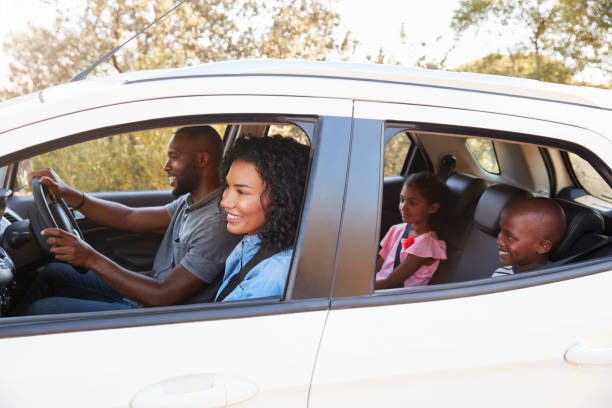
Start with who needs a seat today, but look ahead 3 to 5 years.
- Infants and Toddlers: Car seats (especially rear-facing ones) demand significant space. They often require the front seats to be pushed forward, making compact sedans or smaller crossovers immediately restrictive. If you plan to add another child, ensure the middle row can comfortably accommodate two or three bulky car seats side-by-side.
- The Teen Factor: Older children require legroom. If you frequently drive with two or three teenagers and their friends, a third row (even if occasionally used) or captain’s chairs in the second row become essential for maintaining peace and comfort.
Urban Commute vs. Road Trip Warrior
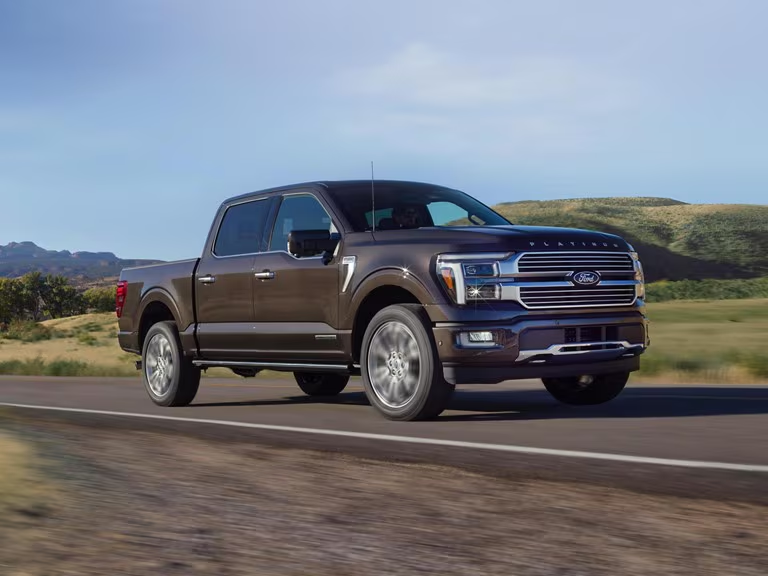
Where you drive daily heavily influences the optimal vehicle size:
| Driving Scenario | Recommended Vehicle Size | Key Considerations |
|---|---|---|
| Primarily Urban/City | Compact Crossover or Mid-Size SUV | Maneuverability, parking ease, and fuel economy are paramount. |
| Suburban Daily Driving | Mid-Size SUV (3-row optional) or Minivan | Balance of capacity, ride height, and efficiency. |
| Long-Distance Travel/Rural | Full-Size SUV or Minivan | Maximum cargo volume, comfort, and potential towing capacity. |
Cargo Capacity: The ‘Stuff Factor’ That Changes Everything
If you’ve ever loaded a stroller, a pack-and-play, a week’s worth of groceries, or luggage for four, you know that cargo capacity is the silent killer—or hero—of a family trip.
Understanding Cubic Feet and Practical Space
When researching your optimal vehicle size, compare the cargo space behind the last utilized row of seats.
- Behind the Third Row: This metric is crucial for 7- and 8-passenger vehicles. Some third-row SUVs offer minimal space (enough for a few backpacks), while others (like large minivans or full-size SUVs) offer enough for large luggage and serious gear.
- Behind the Second Row: If the third row folds flat, the available cargo space drastically expands. This measurement is key for weekly errands or weekend trips without every family member.
- Towing and Roof Racks: Do you own a boat, small camper, or frequently haul bikes? A vehicle’s towing rating might override capacity concerns. If towing isn’t an option, consider vehicles built to handle heavy roof loads for cargo boxes or sports equipment.
Tip: Bring your largest piece of equipment (e.g., your double stroller) to the dealership and physically test the trunk space.
Evaluating Vehicle Categories for Maximum Safety and Function
Different vehicle types excel in different areas of family life. Which functional category best aligns with your search for the right size family vehicle?
Crossovers and Small SUVs (e.g., Honda CR-V, Mazda CX-5)
- Best For: Small families (1-2 children) or empty nesters who occasionally transport grandchildren. Excellent fuel economy and easy parking.
- Trade-Offs: Limited space behind the second row. Tight fit if trying to install three car seats.
Mid-Size SUVs and 3-Row SUVs (e.g., Toyota Highlander, Kia Telluride)
- Best For: The classic suburban family—capable of carrying four to five people comfortably with room for occasional guests. Offers a good blend of SUV ride height, style, and utility.
- Trade-Offs: The third row is often tight and best reserved for children or short trips. Cargo space is usually limited when the third row is in use.
Minivans (e.g., Honda Odyssey, Chrysler Pacifica)
- Best For: Maximum passenger and cargo flexibility. Unbeatable capacity, low entry height, and sliding doors make loading children and gear simple. The ultimate family car size for efficiency.
- Trade-Offs: Lower towing capacity than full-size SUVs; the traditional aesthetic may not appeal to all.
Full-Size SUVs (e.g., Chevrolet Tahoe, Ford Expedition)
- Best For: Large families (6+ members) who need serious towing power and maximum second and third-row comfort. Offer the most commanding road presence.
- Trade-Offs: Higher price point, lower fuel economy, and challenging maneuverability in tight spaces.
Final Practicality Checks: Fuel and Parking
Finding the best family vehicle requires considering the long-term running costs associated with size.
Fuel Economy vs. Safety
Generally, the larger the vehicle, the lower the miles per gallon (MPG). While a large, heavy vehicle often boasts superior safety ratings due to mass and reinforced structure, modern technology has narrowed this gap. Many mid-size and compact vehicles now offer excellent safety scores (check IIHS and NHTSA ratings), allowing you to prioritize fuel economy without sacrificing protection.
Maneuverability
Before committing to a large SUV, consider the vehicle’s turning radius. A smaller vehicle is easier to park and navigate through school drop-off lines. If you live in an area with tight street parking, even a mid-size option might feel too bulky.
By systematically evaluating your family’s daily routine, measuring the required cargo space, and anticipating future growth, you can confidently select the right size family vehicle—ensuring comfort, safety, and practicality for years to come.
 Lynn Leblanc