
3 min read
581 words
Cars are complex, with cheap, microscopic parts covering expensive ones. After its useful life, wear ceases protecting surrounding parts and transfers stress upstream. Belts, filters, oils, pads, bushings, and ignition parts should be replaced regularly to maintain tolerances, control heat, and prevent contamination. This discipline lowers failures, stabilizes temperatures, and improves fuel economy. These all extend car life. Scheduled replacements should be considered investments rather than expenses to reduce catastrophic failures. Check trusted sources like Parts Avenue (partsavenue.ca) for service planning and part availability. Choose engine, gearbox, and temperature-specific visit intervals.
How Small Parts Protect Large Systems
A blocked cabin filter makes the fan motor work harder, causing bearing wear and an early car breakdown. Abrasive particles can damage cylinder walls and mass airflow sensors without a clean air filter, which lowers fuel economy and triggers check engine lights. Worn spark plugs stress ignition coils. Coils that have been hot for months may stop working, causing catalytic converter fires. Replacement of a heated emissions converter is costly. Regularly replace these inexpensive parts to prevent failures from escalating to the more costly components.
Fluids and Hidden Wear and Tear
Chemical changes occur, not “wear out,” in fluids. Fuel, water, and acids build up in engine oil, transmission fluid loses friction modifiers and shear stability, and coolant rust inhibitors wear out while protecting mixed-metal systems. Past-recommended intervals can create varnish, jammed solenoids, slippery clutches, and water pump failure. Maintain boundary layers that keep metal from touching metal by changing fluids on schedule and using the right formulas. This procedure prevents tiny harm from becoming macroscopic.
Belts and Hoses and How They Impact Other Things
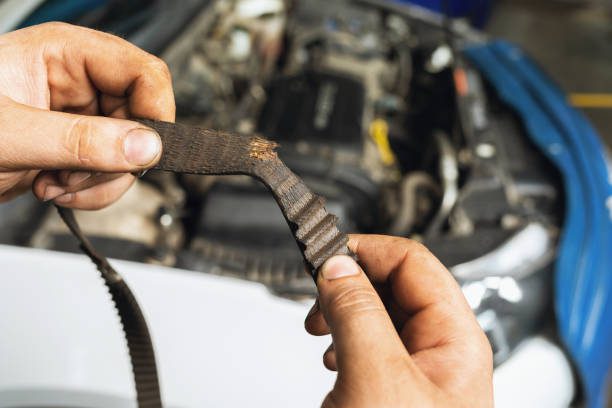
A broken serpentine belt might be overlooked until it breaks, interrupting power steering, generator output, and coolant flow. The rapid temperature rise might destroy head seals or bend heads. Hoses harden and enlarge with age. A tiny leak may not trickle on the driveway, but it lowers system pressure and increases the time for water to boil. Checking for cracks, holes, bulges, and soft patches and replacing them at the first sign of damage is cheaper than fixing an engine that overheats or a stuck trip.
Safety, Extra Brake, and Suspension Wear
Grinding pads against the backing plate fractures discs and overheats calipers, although brake pads should wear out instead of rotors. Machined or changed pads and rotors safeguard hydraulic parts and restore uniform contact. When suspension bushings and ball joints wear out, geometry may drift. Tire wear affects struts and control arms. Change worn elastomers and joints at the right time to balance the car, reduce stopping distances, and prolong tire and damper life.
Battery and Electrical Health
Poor batteries do more than slow startup. Low-voltage heating starters and alternators age faster. Clean the terminals, check the battery charge, and replace it before it sulphates to prevent starter and generator overheating. Replace corroded relays and ground straps to avoid costly module failures.
Planning, Recording, and Selling
Overall, preventive replacement is optimal. On a mileage-and-time calendar, record each service’s date, odometer reading, part number, and power specs. This document helps you plan ahead, eliminate duplication, and demonstrate to buyers that you care. Repair histories demonstrate that mechanics trust them, which helps sell cars faster and for more money.
Predictability Outweighs Panic
Fixing big problems sometimes starts with disregarding small ones. Before breakdowns, replace worn parts to stabilize performance, avoid unexpected expenses, and plan your spending. The quieter, safer, and more fuel-efficient car makes driving predictable and calm.
 Lynn Leblanc