
5 min read
921 words
The air gets crisp, festive lights begin to glow, and the excitement of the holiday season builds. For many of us, this means packing up the car and hitting the road to connect with family and friends. While these journeys are filled with anticipation, they also come with challenges: crowded highways, unpredictable weather, and the rush to get to our destination. Ensuring you and your loved ones arrive safely is the most important part of any holiday plan. That’s why we’ve compiled this ultimate guide to holiday driving safety. Follow these essential tips to make your trip merry, bright, and, above all, safe.
Before You Even Leave the Driveway
A safe trip begins long before you turn the key. Proper preparation can prevent the most common roadside headaches and hazards.
1. Give Your Vehicle a Pre-Trip Check-Up: Your car is your travel partner—make sure it’s in top condition. Don’t wait for a warning light to flash on a snowy mountain pass. A quick check can save you hours of stress.
- Tires: Check the pressure (including the spare!) and inspect the tread. Proper inflation ensures better handling and fuel economy. For winter travel, ensure your tires are rated for snow and ice.
- Fluids: Top off your windshield washer fluid (use a winter-specific de-icing formula if expecting cold) and check your oil and coolant levels.
- Brakes & Battery: Listen for any squealing or grinding from your brakes. If your battery has struggled in the cold before, have it tested by a professional.
- Lights: Test your headlights, taillights, brake lights, and turn signals. You need to see and be seen.
2. Pack a Roadside Emergency Kit Hope for the best but prepare for the worst. A well-stocked emergency kit is a non-negotiable for any road trip safety plan, especially in winter.
Your kit should include:
- Jumper cables and a portable phone charger
- A flashlight with extra batteries
- First-aid supplies
- An ice scraper and snow brush
- Sand, kitty litter, or traction mats for getting unstuck from snow
- Warm blankets, gloves, and hats
- Bottled water and non-perishable snacks
On the Road to Your Destination
Once you’re on the move, smart and defensive driving is your best defense against accidents.
3. Plan Your Route and Check Conditions: Before you go, check the weather forecast and traffic reports for your entire route. Use GPS apps like Google Maps or Waze for real-time traffic updates and accident alerts. If a major storm is predicted, consider delaying your trip or leaving earlier. Always share your travel plans and ETA with someone at your destination.
4. Eliminate All Distractions: This is one of the most critical safe driving tips. A distracted driver is a dangerous driver. In the precious seconds it takes to read a text, your car can travel the length of a football field.
- Set your GPS and music playlist before you start driving.
- Put your phone on silent and place it out of reach.
- Designate a “co-pilot” to manage navigation and communications.
- Save the snacking for your scheduled stops.
5. Drive Sober, Arrive Alive: Holiday parties and festive dinners often involve alcohol. The rule is simple and absolute: never drink and drive. Impaired driving slows your reaction time and clouds your judgment. Plan ahead by choosing a designated driver, using a rideshare service, or arranging to stay the night. Remember, driving drowsy can be just as dangerous as driving drunk.
6. Beat Driver Fatigue: Long drives are exhausting. Pushing through fatigue puts you and everyone else on the road at risk.
- Get a full night’s sleep before your trip.
- Schedule a break every two hours or 100 miles to stretch, get fresh air, and refocus.
- Avoid driving during late-night hours when you’d normally be asleep.
- If you feel drowsy, pull over to a safe rest area and take a short nap.
Navigating Holiday-Specific Challenges
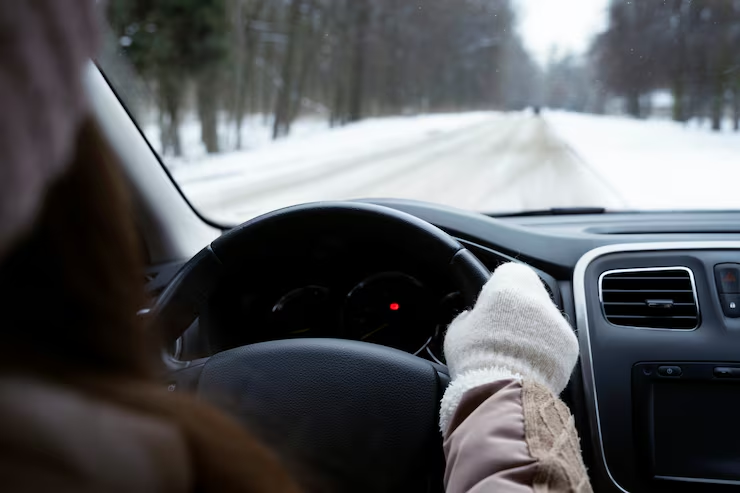
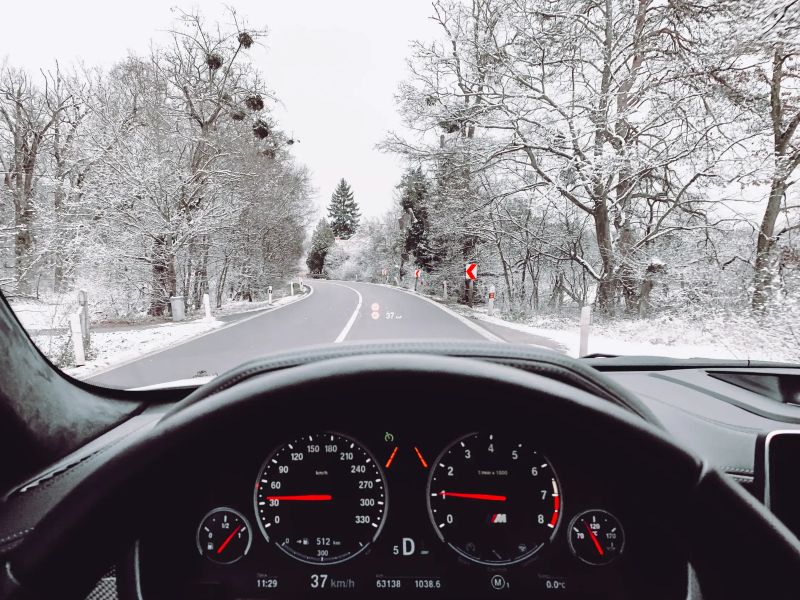
7. Master Winter Weather Driving: If your travels take you through snow and ice, adjust your driving style accordingly.
- Reduce your speed significantly. The posted speed limit is for ideal conditions, not a slick, icy road.
- Increase your following distance to at least 8-10 seconds behind the vehicle in front of you. This gives you more time to react and brake safely.
- Brake, steer, and accelerate gently to avoid skids.
8. Buckle Up, Every Trip, Every Time: Seat belts are the single most effective safety device in your vehicle. Insist that every passenger—in both the front and back seats—is properly buckled up before you move. Ensure children are in the correct car seats for their size and age.
9. Manage the Traffic with Patience: The holidays mean more cars on the road. Expect delays and be patient. Aggressive driving, such as tailgating and frequent lane changing, rarely saves time and dramatically increases the risk of a collision. Put on some relaxing holiday music, take a deep breath, and remember that the goal is to arrive safely, not quickly.
10. Be Prepared for the Unexpected: Even with perfect planning, things can happen. If you have a breakdown, pull over as far to the right as possible, turn on your hazard lights, and stay inside your vehicle until help arrives, especially on a busy highway.
Make Safety Your Holiday Tradition
The best gift you can give your loved ones this holiday season is your presence. By taking these holiday driving safety tips to heart, you are taking the most important step toward ensuring a happy and memorable celebration for everyone.
What’s your go-to tip for a safe and stress-free holiday road trip? Share it in the comments below!
 Lynn Leblanc
  Leo Allen