
4 min read
656 words
As the crisp autumn air gives way to the first frost, it’s a clear signal that winter is just around the corner. While you might be pulling out your heavy coats and scarves, it’s equally important to prepare your car for the harsh conditions ahead. Properly winterizing your vehicle isn’t just about convenience; it’s a critical step for ensuring your safety and preventing costly, inconvenient breakdowns. A little proactive maintenance can save you from being stranded on a frigid day. This guide provides a straightforward checklist to get your car ready to handle whatever snow, ice, and low temperatures the season brings.
Check Your Vitals: Battery, Fluids, and Belts
The heart of your car is under the hood, and cold weather puts significant strain on its core components. Start your winterization process here.
- Test Your Battery: Cold temperatures can reduce a battery’s power by up to 50%. If your battery is more than three years old, it’s wise to have it professionally tested. A mechanic can check its cranking power and ensure the terminals are clean and corrosion-free. A weak battery that works fine in mild weather can easily fail on the first freezing morning.
- Top Off Your Fluids: Not all fluids are created equal, especially in winter.
- Antifreeze (Coolant): This is arguably the most critical winter fluid. Ensure your coolant is a 50/50 mix of antifreeze and water to prevent your engine from freezing. You can check the level in the overflow reservoir and use an inexpensive tester to check its effectiveness.
- Wiper Fluid: Swap out your standard washer fluid for a winter-grade version with de-icer. This will prevent the fluid from freezing in the lines or on your windshield, which is crucial for maintaining visibility during a snow or sleet storm.
- Inspect Belts and Hoses: Cold rubber is brittle rubber. Visually inspect the belts and hoses in your engine bay for any signs of cracking, fraying, or leaking. A snapped belt can disable your car instantly, so replacing worn ones before they fail is key.
Master the Road: Tires, Brakes, and Visibility
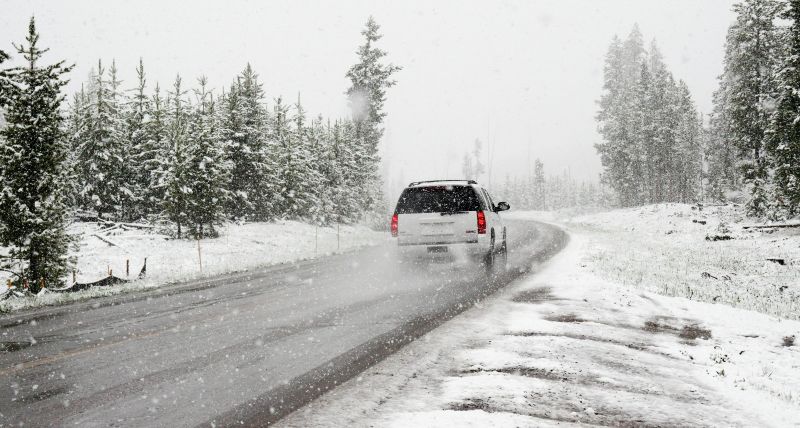
Once the engine is ready, your next focus should be on the components that connect your car to the slippery road and ensure you can see and be seen.
- Tires are Everything: Your tires are your single most important safety feature in winter.
- Check a ir Pressure: For every 10-degree drop in temperature, your tire pressure can decrease by one PSI (pound per square inch). Underinflated tires reduce traction and fuel efficiency. Check your pressure weekly and inflate them to the manufacturer’s recommended level (found on the sticker inside your driver’s side doorjamb).
- Examine Tread Depth: Good tread is essential for gripping icy roads and clearing away slush. Use the penny test: place a penny with Lincoln’s head upside down in the tread. If you can see the top of his head, it’s time for new tires.
- Consider Winter Tires: If you live in an area with heavy snow and ice, investing in a set of winter tires is the best way to maximize your traction and stopping power.
- Brake Inspection: You need full confidence in your ability to stop on slick surfaces. If you’ve noticed any squeaking, grinding, or a soft brake pedal, have your brakes professionally inspected before the first snowfall.
- Ensure Clear Visibility: Check that your headlights, taillights, and turn signals are all working. Replace your wiper blades if they are chattering, streaking, or showing signs of wear. New blades make a world of difference in a blizzard. Finally, confirm that your front and rear defrosters are working effectively.
Be Prepared for Anything
Taking an hour to complete this checklist for winterizing your vehicle will provide peace of mind for the entire season. A well-maintained car is a safer, more reliable car. Don’t wait for the first snowflake to fall—prepare your vehicle now and drive confidently and safely all winter long.
 Lynn Leblanc