
8 min read
1487 words
Let’s face it, buying car tires isn’t exactly a thrilling Saturday afternoon activity. It often involves a trip to a greasy garage, confusing technical jargon, and a bill that makes your wallet weep. But what if I told you there’s a smarter, often cheaper, and definitely more convenient way to get new rubber for your ride? Yep, we’re talking about buying tires online!
The internet has revolutionized how we shop for just about everything, and tires are no exception. Companies like Tire Rack, Discount Tire Direct, and Amazon have made it incredibly easy to browse, compare, and purchase tires from the comfort of your couch. However, just like any online shopping venture, there are a few potholes (pun intended!) you’ll want to avoid. That’s why we’ve put together this super-handy guide with 10 great tips to ensure your online tire-buying experience is as smooth as a fresh set of balancers.
Why Shop for Tires Online?
Before we dive into the nitty-gritty, let’s quickly touch on why so many people are ditching the brick-and-mortar tire shops for their digital counterparts. For starters, the selection online is usually mind-bogglingly huge. You’re not limited to what a local shop has in stock; you can find virtually any brand, size, or type of tire imaginable. Then there’s the price – online retailers often have lower overheads, meaning they can pass those savings directly on to you. Plus, the convenience of shopping whenever and wherever you want really can’t be beaten. But to truly reap these benefits, you need to be a savvy shopper.
Your Ultimate Guide to Online Tire Shopping
Ready to equip your car with some fantastic new shoes without breaking the bank or your sanity? Let’s get into the tips!
Tip 1: Know Your Tire Size Inside Out
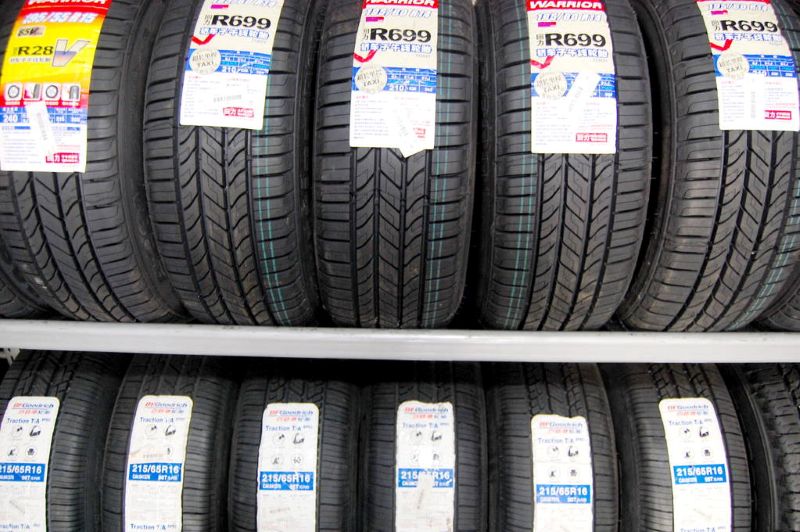
This is arguably the most crucial step. Getting the wrong size tire is like buying shoes three sizes too small – they just won’t fit! Your tire size is usually printed on a sticker inside your driver’s side door jamb, in your car’s owner’s manual, or directly on the sidewall of your existing tires. It’ll look something like “P215/65R15 95H.”
- P: Passenger car tire (LT is for light truck)
- 215: Tire width in millimeters
- 65: Aspect ratio (sidewall height as a percentage of width)
- R: Radial construction
- 15: Wheel diameter in inches
- 95: Load index (how much weight the tire can support)
- H: Speed rating (maximum safe speed for the tire)
Double-check every single number and letter. Seriously, write it down, take a picture, or commit it to memory. This is your golden ticket to finding the right fit.
Tip 2: Understand the Tire Alphabet Soup – Types Matter!
Not all tires are created equal, and choosing the right type for your driving style and local climate is just as important as getting the size right. Are you looking for all-season tires for everyday driving? Perhaps dedicated winter tires for snowy climates, or high-performance tires for a sportier ride? Maybe touring tires for a quiet, comfortable cruise? Each type offers different benefits in terms of grip, handling, longevity, and noise. Take a moment to think about your typical driving conditions and preferences before you start browsing. Reading up on the differences between these types will help you narrow down your search significantly.
Tip 3: Dive Deep into Reviews – Real-World Experiences Speak Volumes
Once you’ve got a size and type in mind, hit the review sections! Look beyond just the star ratings. Read actual customer comments – what do people say about the tire’s performance in rain or snow? How’s the road noise? Are they durable? Do they wear evenly? Websites often have dedicated review sections for specific tire models, complete with user-submitted photos and detailed feedback. Pay attention to reviews from drivers with similar vehicles and driving habits to your own. This is where you’ll find the unvarnished truth about how tires perform in the wild.
Tip 4: Play the Price Comparison Game – Shop Around, Smartly
The beauty of online shopping is how easy it is to compare prices. Don’t just stick to one website. Open multiple tabs and check prices from several reputable online retailers like Tire Rack, Discount Tire Direct, SimpleTire, Amazon, and even major retail chains that sell tires like Walmart or Costco. You might be surprised at the price variations for the exact same tire model. Look out for flash sales, holiday discounts, and clearance sections. A little bit of digital legwork here can save you a significant chunk of change.
Tip 5: Don’t Get Fooled by “Free Shipping” – Calculate the True Cost
Ah, the siren song of “free shipping!” While it sounds great, it’s crucial to understand the total cost. Sometimes, a tire listed at a slightly higher price with free shipping might actually be cheaper than a lower-priced tire with exorbitant shipping fees. Most online tire retailers will quote you the shipping cost before you complete your purchase, often calculated based on weight and your location. Make sure you factor this into your overall budget. Sometimes, opting for delivery to a local installer (more on that below!) instead of your home can even save you a few bucks on shipping.
Tip 6: Account for the Installation Bill – It’s Part of the Deal
This is where many online tire buyers get tripped up. While you’re saving on the purchase price, you still need to pay someone to mount and balance your new tires on your wheels. Installation costs can vary, typically ranging from $15-$35 per tire, and often include new valve stems, balancing, and disposal of your old tires. Before you buy, call a few local shops (tire stores, mechanics, even dealerships) and ask for their “mount and balance” price for tires you bring in. Get a firm quote! Many online retailers even have networks of preferred installers and can ship the tires directly to them, sometimes at a discounted installation rate.
Tip 7: Read the Fine Print on Warranties and Returns – Be Prepared
Always, always, always read the return policy and warranty information before you click “buy.” What if the tires arrive damaged? What if you accidentally ordered the wrong size? Most reputable online sellers offer a return window, but there might be restocking fees or conditions (e.g., tires must be unmounted). As for warranties, most tires come with a manufacturer’s warranty covering defects, and some may include a mileage warranty (e.g., 60,000 miles). Understand what’s covered and for how long. Some online retailers also offer their own road hazard protection plans for an extra fee, which can be a lifesaver if you hit a nasty pothole.
Tip 8: Hunt for Those Sweet Deals – Rebates and Promotions Abound
Tire manufacturers and retailers frequently offer rebates and special promotions. These can come in the form of mail-in rebates, instant discounts, or even gift cards. Check the manufacturer’s website as well as the retailer’s site for current offers. Sometimes, buying a full set of four tires will unlock a bigger discount. Timing your purchase around major holidays (like Black Friday, Memorial Day, or Labor Day) or seasonal changes (spring for all-seasons, fall for winter tires) can often yield the best deals. Don’t just look at the upfront price – factor in any potential rebates!
Tip 9: Trust, But Verify: The Seller’s Reputation – Buy from the Best
Just like shopping for anything else online, stick to reputable sellers when buying car tires. Look for companies with a long track record, positive customer service reviews, and secure payment systems. Sites like Tire Rack, Discount Tire, and SimpleTire are well-established and generally highly regarded. Be wary of obscure websites offering suspiciously low prices, especially if they have limited contact information or poor website design. A quick search for “seller name + reviews” can give you a good idea of their reputation. Buying from a trusted source ensures you’ll get genuine products and support if something goes wrong.
Tip 10: Line Up Your Installer Before You Buy – Avoid Last-Minute Headaches
This tip goes hand-in-hand with tip #6. Don’t wait until your new car tires arrive on your doorstep to figure out where you’re going to get them installed. Call local shops before you place your order. Confirm they’re willing to install tires purchased elsewhere, get a firm quote, and ask if they can receive the tires directly from the online retailer. Many shops are happy to do this, as it saves you the hassle of lugging heavy tires around. Having an installer lined up, with an appointment even, will make the whole process much smoother and eliminate any last-minute stress.
Rolling On With Confidence
Buying car tires online might seem daunting at first, but with these 10 tips in your arsenal, you’re well on your way to becoming a savvy tire shopping pro. By doing your homework, comparing prices, understanding all the associated costs, and planning ahead for installation, you can save money, expand your choices, and enjoy the convenience of modern online retail. So go ahead, find those perfect tires for your car, and get ready to roll on with confidence!
 Lynn Leblanc