
7 min read
1378 words
Life is a remarkable journey, and with each passing year, our bodies gracefully evolve. While the youthful spring in our step might subtly shift, one truth remains constant: movement is medicine. Exercise isn’t just for looking good; it’s fundamental for feeling great, maintaining independence, boosting our mood, and truly enjoying life to the fullest, no matter our age.
However, the way we exercise in our 20s might not be the most effective, or even safe, approach in our 50s, 60s, or beyond. Our bodies change, and that’s perfectly natural. Muscles can lose mass, joints might become a bit creakier, and recovery times can lengthen. But here’s the exciting part: these changes don’t mean we stop moving. They simply mean we get smarter about how we move. Adapting your exercise routine as you age isn’t about backing down; it’s about evolving, optimizing, and discovering new ways to stay strong, flexible, and vibrant. It’s about listening to your body, celebrating its capabilities, and finding joy in every step, stretch, and lift. Let’s explore how you can fine-tune your fitness approach for lifelong health and happiness.
Prioritizing Key Components of Fitness as You Age
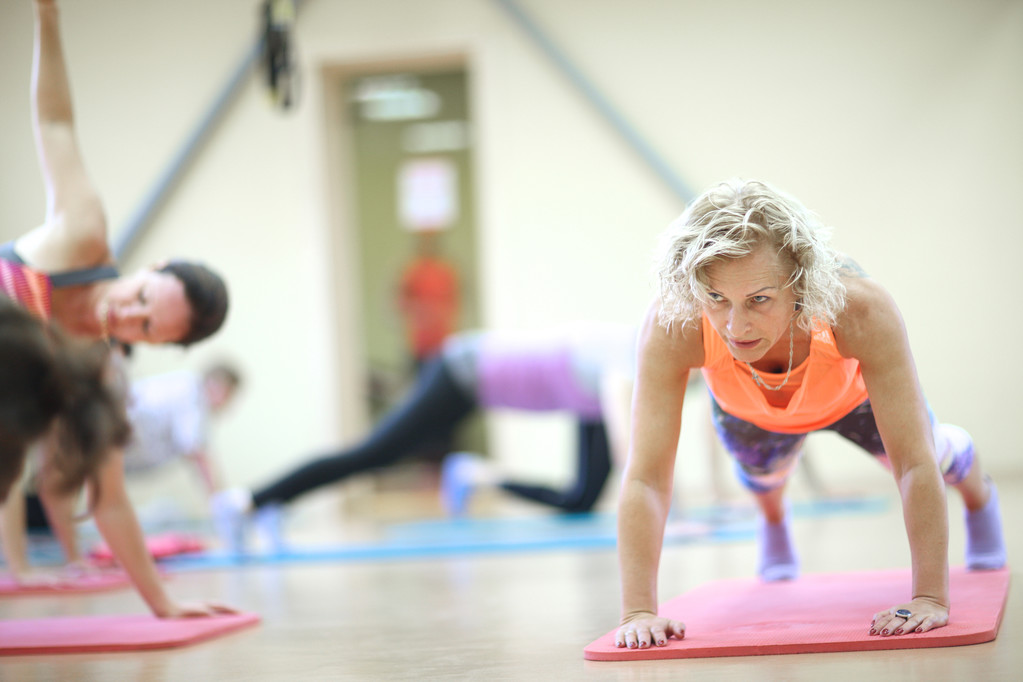
As the years add up, certain aspects of physical fitness become even more critical for maintaining overall health and quality of life. Instead of thinking about what you can’t do, let’s focus on what you can do, and how to do it effectively to support your body’s changing needs.
1. Strength Training: Building and Maintaining Your Powerhouse
You might hear about “sarcopenia,” the natural loss of muscle mass that occurs with aging. While it sounds a bit daunting, strength training is your superhero cape against it! Maintaining muscle mass is vital for everything from metabolism and bone density to simply being able to carry groceries or get up from a chair with ease.
- Why it’s crucial: Beyond combating muscle loss, strength training helps improve bone density, which is essential for preventing osteoporosis and fractures. It also boosts your metabolism, helps manage weight, improves balance, and supports joint health by strengthening the muscles around them.
- How to adapt: Forget the idea that you need to lift super heavy. Focus on proper form over heavy weights. You might start with lighter weights or even just your body weight, performing more repetitions (e.g., 10-15 reps per set). Functional movements that mimic daily activities – like squats (sitting down and standing up), lunges (stepping forward), and rows (pulling things towards you) – are incredibly beneficial. Consider using resistance bands, dumbbells, or even household items. Machines can also be a great option as they often provide more stability. Remember to move slowly and with control, paying attention to how your muscles feel. Give your body adequate rest (48-72 hours) between working the same muscle groups.
2. Cardiovascular Health: Keeping Your Heart Happy and Strong
Your heart is a muscle too, and it thrives on regular activity! Maintaining cardiovascular fitness is key for endurance, energy levels, and reducing the risk of heart disease, stroke, and type 2 diabetes.
- Why it’s crucial: A strong heart and healthy lungs mean you have more stamina for daily activities, from playing with grandkids to gardening or exploring new places. It also significantly contributes to brain health and mood regulation.
- How to adapt: The goal is to get your heart rate up without undue stress on your joints. Low-impact activities become your best friends. Think brisk walking, swimming, cycling (stationary or outdoor, if safe), elliptical trainers, dancing, or even active gardening. You can vary your intensity by incorporating short bursts of higher effort (interval training) into your routine, followed by recovery periods, or stick to a steady, moderate pace. Always pay attention to how you feel, and consider using a heart rate monitor to stay within a safe and effective zone, especially if you have underlying health conditions.
3. Flexibility, Balance, and Mobility: Graceful Movement and Fall Prevention
As we age, our joints can become stiffer, and our sense of balance might not be as sharp. These components are often overlooked but are absolutely vital for maintaining independence, preventing falls, and ensuring you can move comfortably through life.
- Why it’s crucial: Good flexibility allows for a fuller range of motion in your joints, reducing stiffness and making everyday tasks easier. Excellent balance is a cornerstone of fall prevention, which becomes increasingly important with age. Mobility, the ability to move through a full range of motion with control, ties these two together.
- How to adapt: Incorporate regular stretching into your routine, holding each stretch for 20-30 seconds. Yoga and Tai Chi are phenomenal for developing both flexibility and balance, often with a wonderful calming effect. Specific balance exercises, such as standing on one leg (holding onto support initially), heel-to-toe walking, or walking backward, can significantly improve your stability. Think about incorporating dynamic stretches (movement-based stretches like arm circles) before your workout and static stretches (holding a position) afterwards. Consistency is key here – even a few minutes daily can make a big difference.
Practical Strategies for a Sustainable and Enjoyable Routine
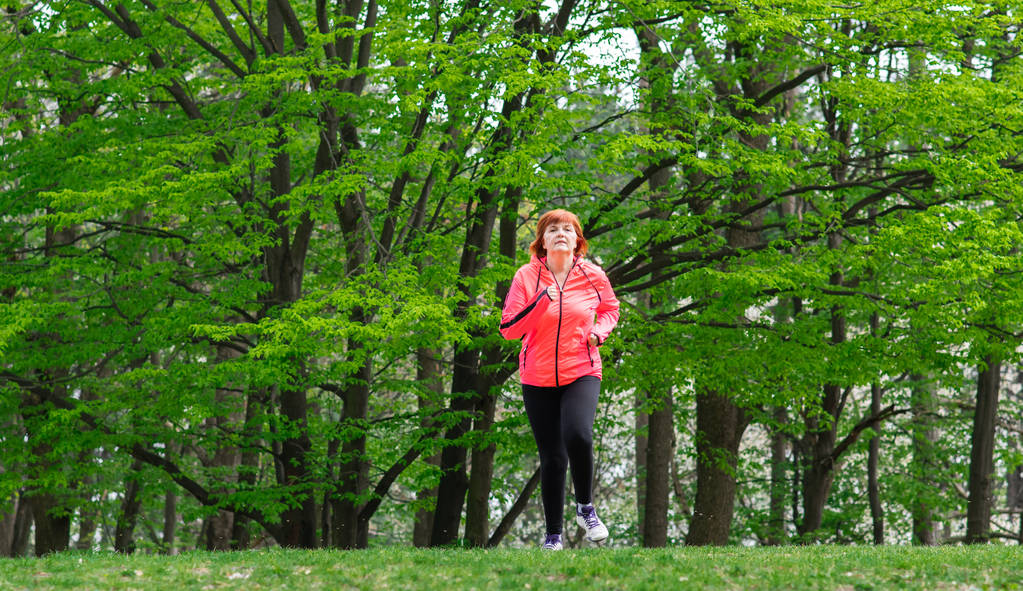
Knowing what to do is one thing, but making it a consistent and joyful part of your life is another. Here are some practical tips to help you embrace your evolving fitness journey.
1. Listen to Your Body, Always: This is perhaps the most important piece of advice. Your body sends signals; learn to decode them. There’s a difference between muscle soreness (the good kind, indicating you’ve worked your muscles) and sharp, persistent pain (the bad kind, indicating potential injury). If something hurts, stop. Rest is not a sign of weakness; it’s essential for recovery and preventing overuse injuries. Give your body the time it needs to repair and adapt.
2. Embrace Gradual Progression: A common mistake is trying to do too much too soon. Whether you’re new to exercise or restarting after a break, begin slowly and increase the intensity, duration, or frequency of your workouts gradually. Small, consistent steps lead to big, sustainable changes. Think of it as a marathon, not a sprint.
3. Variety is the Spice of Life (and Exercise!): Doing the same routine day in and day out can lead to boredom and even overuse injuries. Mix things up! If you love walking, try adding a swimming session or a yoga class once a week. Vary your strength exercises. This keeps things interesting, challenges different muscle groups, and reduces the risk of repetitive strain.
4. Focus on Functional Movement: Think about the movements you need to do in your daily life: bending, reaching, lifting, carrying, balancing. Design your exercise routine to support these activities. Exercises that mimic daily tasks will not only make you stronger but also help you maintain independence and quality of life for years to come.
5. Hydrate and Nourish: What you put into your body significantly impacts your energy levels, recovery, and overall performance. Stay well-hydrated throughout the day, especially before, during, and after exercise. Prioritize whole, unprocessed foods, and ensure you’re getting enough protein to support muscle repair and growth.
6. Don’t Hesitate to Seek Professional Guidance: If you’re unsure where to start, have specific health concerns, or want to ensure you’re exercising safely and effectively, consider consulting a qualified professional. A doctor can give you clearance and advice, while a physical therapist or a certified personal trainer specializing in older adults can design a tailored program just for you.
7. Make it Social and Fun! If exercise feels like a chore, it’s hard to stick with. Find activities you genuinely enjoy. Join a walking group, take a dance class, sign up for senior fitness programs, or simply find an exercise buddy. When you’re having fun and feel connected, you’re much more likely to stay motivated and consistent. Whether it’s dancing to your favorite music at home, exploring a new walking trail, or playing pickleball, find what brings you joy.
The journey of fitness doesn’t end as you age; it simply transforms. By understanding your body’s evolving needs and adapting your approach, you can continue to enjoy the incredible benefits of movement – improved strength, better balance, a healthier heart, sharper mind, and a vibrant spirit. It’s never too late to start, or to adjust, your fitness routine. Embrace this exciting chapter, listen to your amazing body, and move with intention and joy. Your future self will absolutely thank you for it!
 Carly
Carly  Kim Monroe
  Kayla Baptiste