
3 min read
532 words
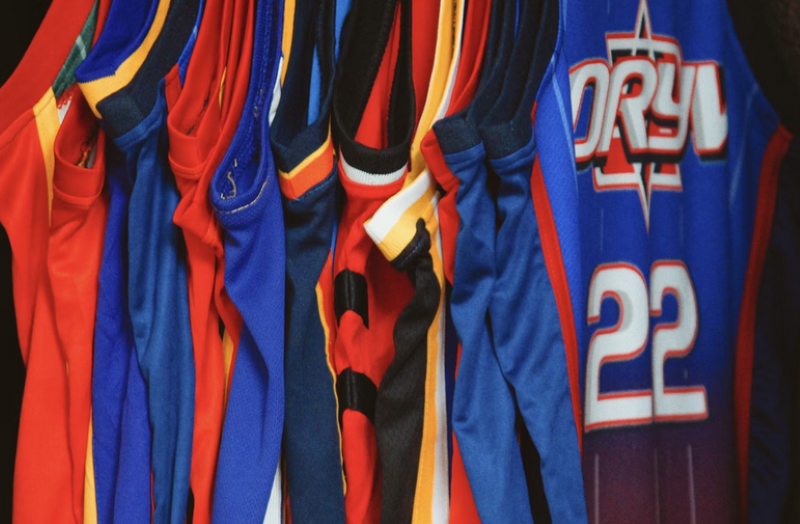
NBA jerseys are far more than simple sportswear; they are vibrant time capsules. Each stitch, color palette, and font choice reflects the specific culture, style, and trends of their respective eras. From the simple aesthetics of the league’s early years to the bold graphics of the 90s and the sleek modernity of today, the evolution of the NBA jersey offers a fascinating glimpse into the history of basketball, fashion, and the world around it.
The Foundation: Function and Form in the Early Years
The NBA’s origins prioritized functionality. Early jerseys were simple, built primarily for durability and mobility. Teams favored basic fonts and minimal designs, rarely deviating from fundamental color schemes.
The 1970s marked the beginning of a subtle shift toward identity. While still practical, designs started to incorporate personality and a distinct visual language. Think of the iconic Philadelphia 76ers jerseys with their clean lines and bold block lettering, or the New York Knicks’ timeless blue and orange, instantly recognizable and representing the grit and energy of the city. These uniforms, though restrained by modern standards, successfully transitioned the league from purely functional attire into garments that communicated team identity.
The Design Revolution: Style Takes Center Court in the 80s and 90s
The 1980s signaled a major turning point, driven by the soaring popularity of the league and the emergence of global superstars like Magic Johnson and Larry Bird. As basketball moved into the cultural mainstream, jerseys became bolder to match the spectacle.
The Lakers’ vibrant purple and gold became synonymous with “Showtime” and Hollywood glamour, reflecting a league that was suddenly embracing entertainment. This decade saw the introduction of more elaborate logos and vibrant color schemes, mirroring the era’s burgeoning fashion trends.
The 1990s were arguably the most experimental and memorable era for jersey design. This decade witnessed a surge in maximalism, driven by abstract patterns, oversized logos, and a clear influence from emerging hip-hop and urban culture. Teams like the Charlotte Hornets, with their revolutionary teal and purple palette, and the Toronto Raptors, who boldly incorporated a dinosaur mascot, pushed the graphic boundaries far beyond expectations. Jersey fits became baggier, reflecting a wider cultural aesthetic that celebrated standing out.
The Modern Era: Sleekness, Technology, and Sustainability
The 21st century has introduced a shift toward a more streamlined and technologically advanced approach. Today’s NBA jerseys prioritize performance, utilizing lightweight, breathable, moisture-wicking fabrics engineered for athletic demands. Designs are often cleaner and more minimalist, striking a balance between honoring tradition and ensuring maximum visibility for corporate and team branding.
Beyond performance, the modern jersey serves as a powerful cultural communication tool. The introduction of “City Edition” jerseys allows teams to pay homage to their local communities, architecture, and history, further blurring the lines between sport, regional culture, and identity. Furthermore, the league has increasingly emphasized sustainability, with manufacturers utilizing recycled plastics and environmentally conscious materials to produce these iconic uniforms.
In essence, NBA jerseys are much more than uniforms worn for 48 minutes; they are tangible pieces of history. They chart the evolving styles, cultural movements, technological advancements, and marketing sophistication of professional sports. Every jersey tells a story—a fascinating narrative woven with the threads of basketball history and global culture.
 Lynn Leblanc
  Jennifer Williams
  Debbie Price