
4 min read
770 words
As the leaves turn and a chill settles in the air, our thoughts turn to preparing for the colder months ahead. We check the boiler, clear the gutters, and draft-proof our windows. But one of the most effective ways to protect your property from the harsh effects of winter is often overlooked: exterior rendering. Applying a fresh coat of render to your home isn’t just about aesthetics; it’s a vital layer of defence against freezing temperatures, driving rain, and damp. If you’ve been considering rendering your home, autumn is the perfect time to act. Here are the five key reasons why rendering your home before winter is one of the smartest investments you can make.
1. A Powerful Shield Against Winter Weather
Think of house rendering as a high-performance coat for your property. Over time, brickwork and older render can become porous and develop small cracks. In winter, these vulnerabilities are exposed to a constant barrage of rain, sleet, and frost.
A new layer of modern render—whether it’s a durable silicone, acrylic, or traditional mix—forms an impermeable barrier. It seals those hairline cracks and stops water from penetrating the underlying structure of your home. This is your first and most important line of defence against the damaging effects of the British winter.
2. Prevent Damp and Costly Structural Damage
The biggest threat to a home during winter is water ingress. When water seeps into cracks in your brickwork or existing render and then freezes, it expands. This process, known as the “freeze-thaw cycle,” forces small cracks to become larger, dislodging mortar and causing render to crumble and fail.
This can lead to significant problems, including:
- Penetrating Damp: Moisture gets through the wall, causing damp patches, mould growth, and musty smells inside your home.
- Spalling Brickwork: The face of the bricks flakes and breaks away, weakening the wall’s structure.
- Costly Repairs: What started as a small crack can quickly escalate into a major structural repair job come springtime.
By applying render before the first frost, you seal the exterior envelope of your home, effectively stopping water in its tracks and preventing these expensive issues before they begin.
3. Boost Your Home’s Thermal Efficiency (and Lower Your Bills!)
With energy prices on everyone’s mind, keeping your home warm efficiently is a top priority. Exterior rendering adds an extra layer of insulation to your property. It helps to trap the heat generated inside your home, preventing it from escaping through the walls.
While standard render offers some thermal benefit, you can go a step further with an External Wall Insulation (EWI) system, which involves fixing insulation boards to the exterior before applying the final render finish. This can dramatically reduce heat loss, leading to:
- A warmer, more comfortable living environment.
- Significantly lower heating bills throughout the winter.
- An improved Energy Performance Certificate (EPC) rating for your home.
This makes rendering a proactive investment that pays you back every time you turn on the heating.
4. Secure Your Property’s Value and Curb Appeal
A home with cracked, stained, or crumbling render doesn’t just look neglected; it can also affect its market value. Potential buyers see visible exterior damage as a red flag for deeper, hidden problems.
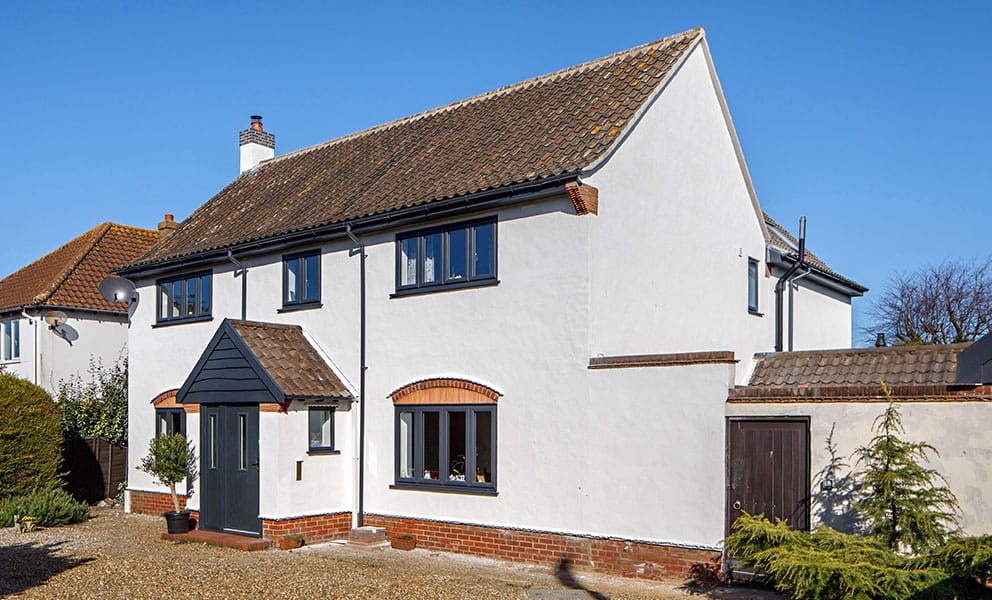
A freshly rendered home, on the other hand, boasts incredible curb appeal. It looks clean, modern, and structurally sound. This not only makes you proud of your property but also adds tangible value should you decide to sell in the future. Completing the work in autumn means your home will look its best right through the bleakest winter months.
5. Ideal Weather Conditions for a Perfect Finish
From a practical standpoint, autumn provides the perfect window of opportunity for rendering work. The process of applying and curing render is highly dependent on the weather.
- Summer: Extreme heat can cause render to dry too quickly, leading to cracking and a weak finish.
- Winter: Freezing temperatures, frost, and high moisture levels can prevent the render from curing (drying) properly, compromising its integrity and durability.
Autumn offers the ideal balance: moderate temperatures, lower humidity, and sufficient daylight hours allow the render to cure gradually and correctly. This ensures a flawless, long-lasting finish that is ready to face whatever winter throws at it.
Don’t Wait for Winter to Reveal Your Home’s Weaknesses
Winter weather is unforgiving. It will find and exploit every crack and weakness in your home’s exterior. By taking proactive steps now, you can protect your property, save money on energy and repairs, and enjoy a warm, dry, and comfortable home all season long.
Rendering your home is more than a cosmetic upgrade; it’s an essential investment in its health, efficiency, and longevity.
 Carly
Carly