
How To Save Money On Groceries
6 min read
1183 words
Are you looking for ways to save money on groceries? With the rising cost of food and the increasing cost of living, many families are searching for practical ways to stretch their budgets while still preparing healthy, satisfying meals. Grocery shopping can quickly become one of the largest household expenses, especially when prices continue to increase. However, saving money does not mean you have to sacrifice nutrition, variety, or the quality of the meals you serve your family. With a little planning, smart shopping habits, and a few simple strategies, you can significantly reduce your grocery bill.
In this article, we will explore practical tips and tricks to help you save money on groceries while making the most of every dollar.
Plan Your Meals and Create a Shopping List
One of the easiest ways to save money on groceries is to plan your meals before heading to the store. Taking a few minutes each week to decide what you will make for breakfast, lunch, and dinner can prevent unnecessary purchases and reduce food waste.
Start by checking what you already have in your pantry, refrigerator, and freezer. You may discover ingredients you forgot about or items that can be used in multiple meals.
Once you have created your meal plan, make a detailed shopping list and stick to it. A list helps you stay focused and prevents impulse purchases that can quickly increase your grocery bill.
Meal planning also allows you to buy only what you need, which means less food ends up being thrown away. Consider planning meals around ingredients you already have and choosing recipes that use similar items throughout the week.
Shop With a Budget

Before going grocery shopping, decide how much you can comfortably spend. Having a grocery budget helps you make intentional choices instead of buying items without considering the total cost.
Keep track of your spending over several weeks to understand where your money is going. You may notice patterns, such as spending too much on convenience foods, snacks, or last-minute purchases.
A budget does not mean you cannot enjoy your favourite foods. It simply helps you prioritize what matters most and make informed decisions.
Look for Sales and Discounts
Taking advantage of sales is one of the best ways to reduce grocery costs. Most grocery stores offer weekly specials on items such as meat, produce, dairy products, and pantry staples.
Before shopping, check store flyers, apps, or websites for current deals. Plan some of your meals around items that are on sale.
For example, if chicken is discounted one week, consider buying extra portions and using them in different meals such as soups, salads, casseroles, or sandwiches.
However, remember that a sale is only a good deal if you will actually use the item. Buying something just because it is discounted can lead to unnecessary spending and food waste.
Buy in Bulk When It Makes Sense
Buying in bulk can help lower the cost per item, especially for foods you use regularly.
Good items to purchase in larger quantities include:
- Rice
- Pasta
- Oats
- Canned goods
- Frozen vegetables
- Meat when it is on sale
- Household supplies
Before buying bulk packages, consider whether you have enough storage space and whether your family will use the product before it expires.
Buying a large quantity of something you do not need is not a true savings.
Use Coupons and Loyalty Programs

Coupons and grocery store loyalty programs can help reduce your overall food costs.
Many stores now offer digital coupons that can be added directly to your loyalty card through an app or website. These discounts can save money without the need to clip paper coupons.
Loyalty programs may also offer:
- Member-only discounts
- Points on purchases
- Personalized offers
- Rewards that can be used toward future groceries
Take a few minutes before shopping to check available offers. Small savings can add up over time.
Shop at Discount Stores and Warehouse Clubs
Discount grocery stores and warehouse clubs can be excellent options for saving money on certain items.
These stores often offer lower prices on:
- Pantry staples
- Frozen foods
- Cleaning supplies
- Paper products
- Household essentials
You may not find everything you need in one place, but combining shopping trips between stores can help reduce costs.
Be mindful of buying more than you need. A larger package is not always cheaper if food goes unused.
Buy Generic or Store Brands
Choosing generic or store-brand products is one of the easiest ways to save money without sacrificing quality.
Many store-brand products are made with similar ingredients as name-brand versions but cost significantly less.
Consider trying store brands for items such as:
- Cereal
- Pasta
- Baking supplies
- Canned foods
- Cleaning products
- Dairy products
You may find that many generic products taste just as good as more expensive brands.
Shop Seasonal Fruits and Vegetables
Fresh produce can be expensive, especially when items are out of season.
Buying fruits and vegetables that are in season is often more affordable because they are more readily available.
You can also save money by:
- Buying frozen vegetables
- Purchasing produce on sale
- Freezing extra fruits and vegetables
- Choosing less expensive options such as carrots, cabbage, apples, and bananas
Frozen produce can be a healthy and budget-friendly choice because it often lasts longer and reduces waste.
Avoid Shopping When You Are Hungry
Shopping while hungry can make it harder to stick to your list.
When you are hungry, you are more likely to buy:
- Snacks
- Desserts
- Convenience foods
- Items you did not plan to purchase
Eating a meal or having a snack before grocery shopping can help you make better decisions and avoid unnecessary spending.
Reduce Food Waste
One of the simplest ways to save money is to use the food you already have.
Try these strategies:
- Store food properly to extend freshness.
- Use leftovers for lunches.
- Freeze foods before they spoil.
- Organize your pantry and refrigerator.
- Check expiration dates regularly.
Food that gets thrown away is money that is wasted.
Cook More Meals at Home
Eating out and ordering takeout can quickly increase your monthly expenses. Cooking more meals at home is often much more affordable.
Simple homemade meals such as soups, casseroles, pasta dishes, roasted vegetables, and slow cooker recipes can be inexpensive while still being nutritious.
Cooking at home also gives you more control over ingredients, portions, and nutrition.
Compare Prices and Shop Smart
Do not assume the larger package or popular brand is always the best deal. Compare prices by looking at the cost per unit or weight.
Small differences in price may not seem significant, but over time they can add up to hundreds of dollars in savings.
Final Thoughts
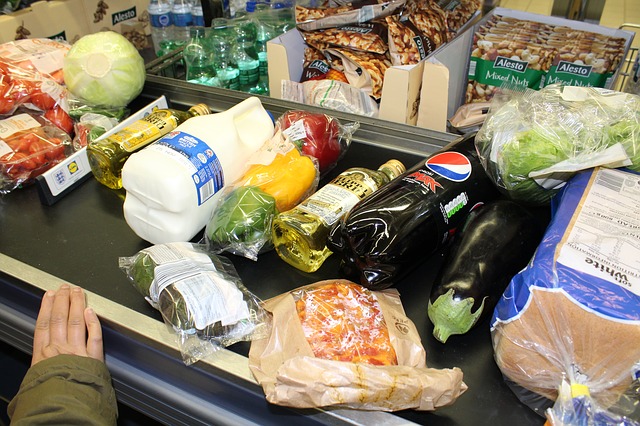
Saving money on groceries is possible with a little preparation and smarter shopping habits. Meal planning, creating a shopping list, watching for sales, choosing store brands, reducing food waste, and making thoughtful purchases can all help lower your grocery bill.
You do not need to make major changes overnight. Start with one or two strategies and gradually build better shopping habits.
With careful planning, you can save money, reduce waste, and continue enjoying delicious, healthy meals without overspending.