
5 min read
968 words
A bright, healthy smile is a source of confidence and joy at any age. As we enter our golden years, maintaining excellent oral health becomes more crucial than ever. While seniors may face unique challenges—from dry mouth caused by medications to the natural wear and tear on teeth—it’s entirely possible to keep your smile shining brightly. Think of your oral health as a gateway to your overall well-being. A healthy mouth allows you to enjoy your favorite foods, speak clearly, and socialize without discomfort. By adopting a few key habits, you can prevent common issues and ensure your smile stays as vibrant as you are. Here are our top dental health tips for seniors, designed to help you navigate the changes that come with aging and maintain optimal oral health.
1. Prioritize Regular Dental Check-ups
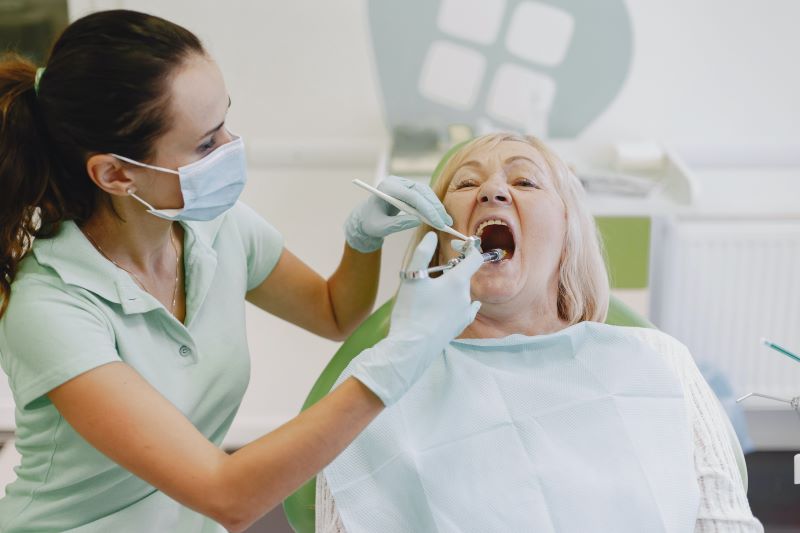
It’s easy to think that if nothing hurts, everything is fine. However, when it comes to oral health, prevention is the best medicine. Regular dental check-ups are the cornerstone of a healthy mouth, especially for seniors.
During these appointments, your dentist does more than just a quick polish. They perform a comprehensive screening for issues that become more common with age, such as:
- Gum Disease: Early-stage gum disease (gingivitis) can often be reversed, but if left untreated, it can progress to periodontitis, leading to tooth loss.
- Oral Cancer: The risk of oral cancer increases with age. Routine screenings are quick, painless, and can be life-saving.
- Wear on Fillings and Crowns: Existing dental work doesn’t last forever. Your dentist will check for cracks or leaks to prevent underlying decay.
A professional cleaning removes hardened plaque (tartar) that you can’t get rid of with a toothbrush at home, keeping your gums healthy and your teeth smooth. We recommend a visit at least twice a year, or more frequently if advised by your dentist.
2. Master Your Daily Oral Hygiene Routine
A consistent daily routine is your first line of defense against cavities and gum disease.
- Brush Twice a Day: Use a soft-bristled toothbrush to gently clean your teeth and gumline. Hard bristles can damage gums and enamel. If arthritis or limited mobility makes brushing difficult, consider an electric toothbrush, which can do much of the work for you.
- Don’t Forget Fluoride: Always use a fluoride toothpaste. Fluoride is a mineral that helps strengthen tooth enamel and fight decay.
- Floss Daily: Flossing is non-negotiable! It cleans the tight spaces between your teeth where your toothbrush can’t reach, preventing plaque buildup. If traditional floss is tricky, try using a water flosser, interdental brushes, or floss picks.
3. Combat Dry Mouth by Staying Hydrated
Dry mouth (xerostomia) is a surprisingly common and troublesome issue for many seniors, often as a side effect of medications for conditions like high blood pressure or depression. Saliva is your mouth’s natural defense system—it neutralizes acids, washes away food particles, and helps prevent decay.
Without enough saliva, your risk for cavities and gum infections skyrockets. To combat this:
- Sip Water All Day: Keep a water bottle handy and take frequent sips.
- Chew Sugar-Free Gum: This stimulates saliva production. Look for gum with xylitol, which has been shown to fight cavity-causing bacteria.
- Avoid Dehydrating Agents: Limit your intake of caffeine, alcohol, and salty foods, as they can worsen dry mouth.
- Talk to Your Dentist: If dry mouth persists, ask about over-the-counter oral rinses or artificial saliva products that can provide relief.
4. Fuel Your Smile with a Tooth-Friendly Diet
What you eat has a direct impact on the health of your teeth and gums. A balanced, nutrient-rich diet supports a healthy mouth from the inside out.
- Embrace Calcium: Foods rich in calcium, like low-fat dairy, fortified almond milk, and leafy greens, help maintain the density of your jawbone.
- Crunch on Fruits and Veggies: Crunchy, high-fiber foods like apples, carrots, and celery act like natural toothbrushes, scrubbing away plaque as you chew.
- Limit Sugars and Starches: Bacteria in your mouth feed on sugars and starches, producing acids that erode tooth enamel. Be mindful of sugary drinks, sticky candies, and processed snacks. If you do enjoy a treat, try to have it with a meal and rinse your mouth with water afterward.
5. Avoid Tobacco and Limit Alcohol for a Healthier Mouth
It’s no secret that tobacco is harmful to your health, and your mouth is one of the first places to show the damage. Smoking or using other tobacco products stains teeth, contributes to gum disease, slows healing after dental procedures, and dramatically increases your risk for oral cancer. Quitting is one of the single best things you can do for your oral and overall health.
Similarly, excessive alcohol consumption can contribute to dry mouth and may increase the risk of oral cancer. Enjoy alcohol in moderation and be sure to stay hydrated with water.
6. Explore Modern Solutions for Missing Teeth
Losing one or more teeth can affect your ability to chew, cause adjacent teeth to shift, and impact your self-confidence. Fortunately, there are excellent modern solutions available.
- Dentures: Modern dentures are more comfortable and natural-looking than ever. Whether you need a partial or full set, they can restore your smile and chewing function. Proper daily cleaning and regular check-ups to ensure a good fit are essential.
- Dental Implants: For a permanent and stable solution, dental implants are the gold standard. An implant is a titanium post that fuses with your jawbone, acting as a new root for a crown. They look, feel, and function just like natural teeth and help preserve jawbone health.
Your Healthiest Smile is Still Ahead
Taking care of your teeth as you age is an investment in your quality of life. By following these dental health tips for seniors, you can prevent problems, manage existing conditions, and keep your smile healthy and strong for years to come.
 Carly
Carly  Kim Monroe
  Kayla Baptiste