
9 min read
1693 words
The briefcase. It’s an icon of professionalism, a trusty companion on the daily commute, and a symbol of ambition. But have you ever stopped to think about where this essential accessory came from? It’s more than just a bag for your laptop; it’s an artifact with a history as rich and varied as the professionals who have carried it. The journey of the briefcase is a story of changing work, advancing technology, and evolving style. In this article, we’ll unlock the history of the humble briefcase, tracing its path from medieval document carriers to the smart, multi-functional bags of 2023. Get ready to see your daily carry in a whole new light.
A Brief History of the Briefcase: The Early Chapters
The Humble Beginnings (14th – 18th Century)
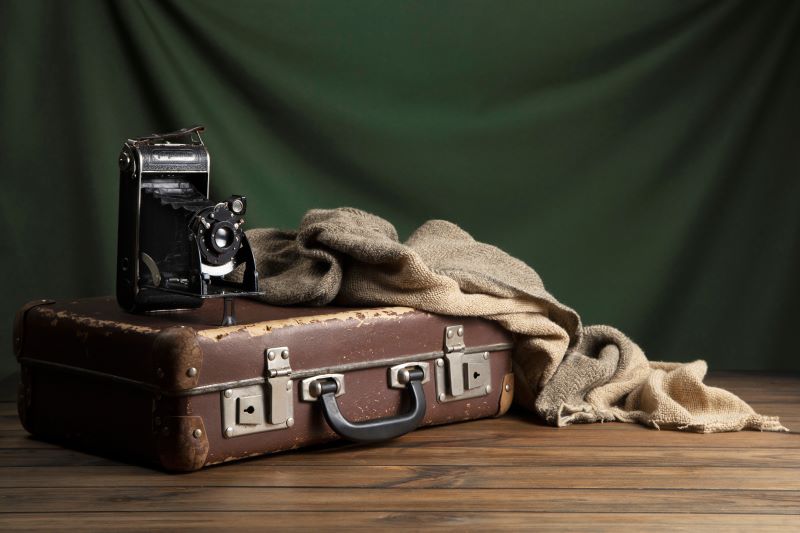
Long before corner offices and quarterly reports, the need to transport important items was very real. The earliest ancestors of the briefcase emerged in the 14th century. These were typically simple satchels made from cloth or leather, used by merchants and officials to carry money, ledgers, and crucial documents. Often worn with a strap over the shoulder or attached to a belt, these “budgetes” (an early French word for a pouch) were purely functional, designed to protect their contents from the elements and prying eyes.
The Rise of the Professional (19th – Early 20th Century)
The Industrial Revolution changed everything, including the way we work. With the rise of professions like law, finance, and government, a new class of worker emerged who needed a more structured and robust way to carry their paperwork.
This era gave us the term “briefcase” itself. Lawyers used these cases to carry their legal “briefs” to court. One of the most iconic designs from this period was the Gladstone bag, a hinged frame bag that could open wide, named after the four-time British Prime Minister, William Gladstone.
Slightly later, the attaché case made its debut. Slimmer, harder, and more rectangular than the Gladstone, it was named for the attachés—or diplomatic staff—who used them. With a rigid frame, often made of wood or metal covered in leather, the attaché was the definitive symbol of a serious businessman. It was less about capacity and more about prestige and the secure transport of important papers.
The Mid-Century Mainstay
Throughout the mid-20th century, the hard-sided attaché case reigned supreme. It became a uniform for the “man in the gray flannel suit”—a non-negotiable part of the corporate dress code. Its rigid structure and sharp lines projected an image of order, authority, and unwavering professionalism. These bags were built to last, but they were also heavy, bulky, and inflexible—a reflection of the rigid corporate culture of the time.
The Great Evolution: How the Briefcase Adapted to the Modern World
The stiff, boxy briefcase of the 1960s would be almost unrecognizable to the modern professional. So, what happened? A series of revolutions in technology and work culture forced this classic accessory to adapt or die.
The Tech Disruption: Enter the Laptop
The single most significant catalyst for the briefcase’s evolution was the personal computer, specifically the portable laptop. The bulky laptops of the 1980s and 90s simply couldn’t fit into a slim attaché case. This technological shift created an urgent need for a new kind of bag: one that was larger, softer, and, most importantly, padded for protection.
This sparked the rise of the soft-sided briefcase, often made from durable nylon or canvas. It featured dedicated, cushioned compartments for electronics and additional pockets for chargers, disks, and other peripherals. The briefcase was no longer just for paper; it was now a mobile office.
A Shift in Work Culture
As Silicon Valley startups replaced Wall Street firms as the epicenters of business culture, workplace attire and attitudes relaxed. The strict suit-and-tie uniform gave way to business casual, and the rigid attaché case felt stuffy and out of place.
The modern professional began to value comfort, versatility, and personal expression. This cultural shift opened the door for new styles to enter the professional sphere, including the messenger bag and, eventually, the elevated backpack. The need to be mobile—working from a coffee shop one day and a co-working space the next—demanded bags that were comfortable to carry for longer periods and could hold more than just a laptop and a folder.
Innovation in Materials
The final piece of the evolutionary puzzle is materials science. While classic leather never went away, new materials offered benefits that were impossible to ignore.
- Lightweight Synthetics: Ballistic nylon, Cordura, and polyester became popular for their incredible durability, water resistance, and lightweight properties. Gone were the days of lugging a heavy leather and metal box.
- Sustainable and Ethical Choices: In 2023, consumers are more conscious than ever. This has led to a surge in briefcases made from recycled plastics, durable canvas, and high-quality vegan leather, offering style without compromise.
The Modern Briefcase: Styles for Every Professional in 2023
Today’s “briefcase” is less a single item and more a category of professional bags. Fast forward to 2023, and you have a vast array of styles to choose from, each suited to a different need and aesthetic.
The Classic Leather Briefcase / Attaché
The timeless icon. A high-quality leather briefcase still commands respect. It’s the top choice for professionals in conservative fields like law, finance, and top-level executive roles.
- Best For: Making a powerful first impression, formal business environments.
- Look For: Full-grain or top-grain leather, solid brass or stainless steel hardware, and a well-organized interior.
The Versatile Soft-Sided Briefcase
This is the modern workhorse. Usually made of nylon, canvas, or polyester, it’s lighter than a traditional leather case and often features a shoulder strap for carrying comfort. It’s the perfect blend of professional looks and practical functionality.
- Best For: Daily office use, business travel, anyone who needs organized compartments.
- Look For: Padded laptop sleeve, multiple internal and external pockets, and a durable, water-resistant exterior.
The Casual Messenger Bag
With its roots in bicycle couriers, the messenger bag offers a more relaxed, urban vibe. Worn across the body, it allows for quick, easy access to your belongings, making it a favorite among creatives, students, and tech professionals.
- Best For: Casual workplaces, cyclists, and those who need to grab items on the go.
- Look For: A comfortable, adjustable strap, a padded laptop section, and quick-access buckles or magnetic closures.
The Professional Backpack
Once relegated to the classroom, the backpack has undergone a sophisticated transformation. Sleek, minimalist designs in leather, premium canvas, and technical fabrics are now perfectly acceptable in most modern offices. Its ergonomic two-strap design is unbeatable for comfort, especially for those who carry a heavy load or have a long commute.
- Best For: Commuters (especially on foot or public transport), tech workers, and anyone who prioritizes ergonomics.
- Look For: A separate, padded laptop compartment, smart organization for tech accessories, and a streamlined, professional silhouette.
How to Choose and Style Your Perfect Briefcase
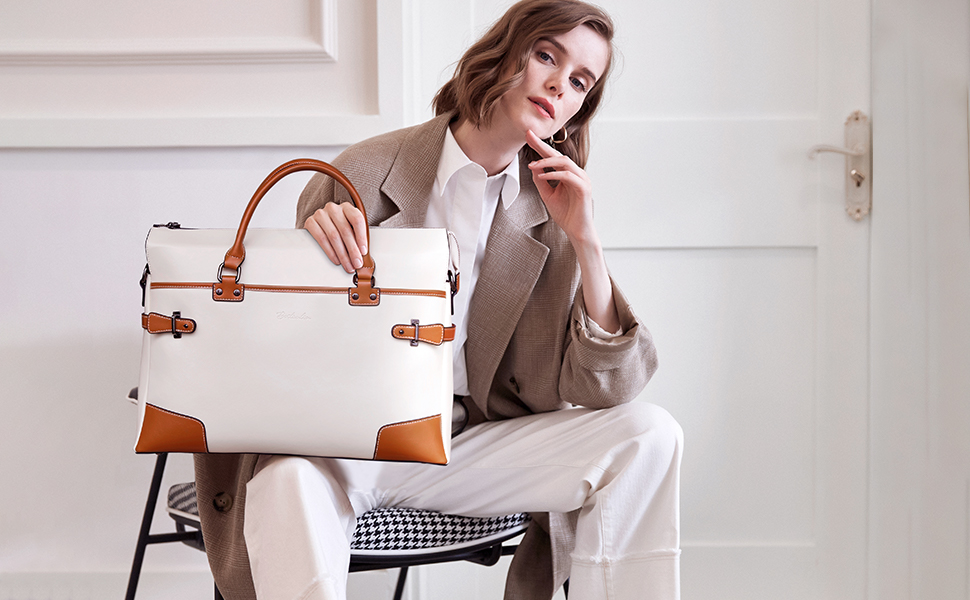
Choosing the right briefcase is a balance of function and fashion. Here’s what to consider:
- Material: The material dictates the bag’s look, feel, and durability. Leather exudes elegance and develops a beautiful patina over time. Canvas offers a rugged, laid-back vibe. Nylon and technical fabrics are all about lightweight performance and weather resistance.
- Color: Black and shades of brown (like tan, chocolate, or cognac) are the timeless, go-with-anything choices. For a touch of personality that’s still professional, consider navy blue, charcoal gray, or a deep burgundy.
- Size & Capacity: Start with your largest essential: your laptop. Ensure the dedicated sleeve is the correct size. Then, think about everything else you carry daily—notebooks, water bottle, chargers, maybe even a change of clothes for the gym. Look for a bag with enough volume and smart compartments to keep everything organized.
- Must-Have Features: In 2023, certain features are non-negotiable.
- Padded Laptop Sleeve: The single most important feature for protecting your tech.
- Adjustable Shoulder Strap: Crucial for comfort and versatility.
- Trolley Sleeve: A strap on the back that slides over your rolling luggage handle—an absolute game-changer for travel.
- RFID-Blocking Pockets: For added security to protect your credit cards and passport from digital theft.
Conclusion: More Than Just a Bag
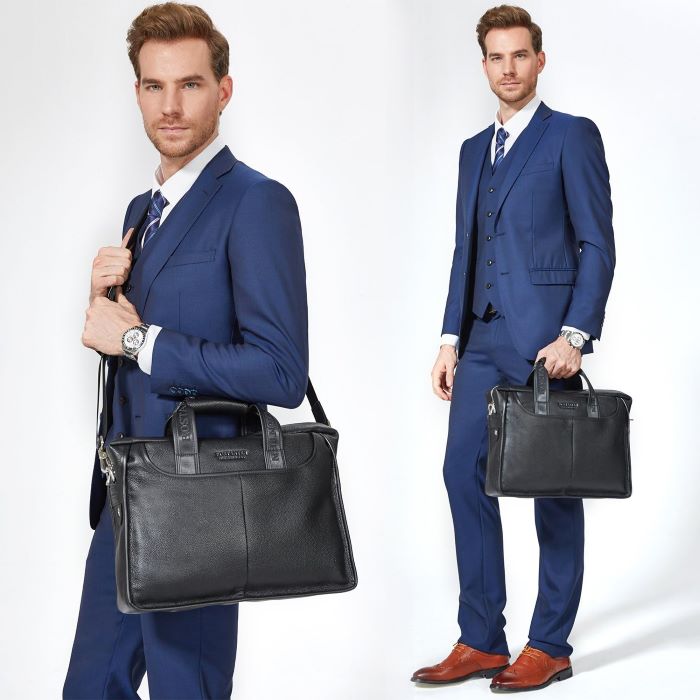
The briefcase has come a long way from its 14th-century origins. It has transformed from a simple pouch for parchment into a highly evolved, multi-functional tool designed for the digital age. It has adapted to new technologies, reflected changing work cultures, and embraced new materials, all while retaining its core purpose: to carry our most important tools and ideas.
Whether you choose a classic leather attaché, a rugged canvas messenger, or a sleek professional backpack, your briefcase is more than just an accessory. It’s a statement about who you are, a partner in your professional journey, and a testament to an enduring legacy of form and function.
Frequently Asked Questions (FAQ)
Q1: What is the difference between a briefcase and an attaché case? A: Historically, an attaché case is a type of briefcase characterized by its hard-sided, boxy frame. A modern “briefcase” is a broader term that includes soft-sided bags, messenger bags, and other professional carriers, while “attaché” almost always refers to the traditional, rigid style.
Q2: Are briefcases still in style in 2023? A: Absolutely! While the definition has expanded, the professional bag is more essential than ever. Classic leather briefcases are timeless for formal settings, while modern styles like professional backpacks and messenger bags are highly fashionable and functional for contemporary workplaces.
Q3: Can I use a backpack as a briefcase? A: Yes, provided you choose the right style. Avoid your old school or hiking backpack. Opt for a backpack with a minimalist design, structured shape, and premium materials like leather or high-grade technical fabric. These “professional backpacks” are widely accepted in most business-casual environments.
Q4: How do I care for a leather briefcase? A: To maintain a leather briefcase, regularly wipe it with a soft, dry cloth. Use a quality leather conditioner every 6-12 months to keep the leather from drying out and cracking. Protect it from excessive water, and if it does get wet, let it air dry naturally away from direct heat.
 Valerie Cox
  Julie Veenstra
  Stephanie P