
Time-Saving Tips for an Efficient Commercial Kitchen
5 min read
957 words
Are you constantly running out of time in your commercial kitchen? Do you feel like there are never enough hours in the day to complete food preparation, manage orders, and keep up with customer demand? Running a busy kitchen requires careful planning, teamwork, and efficient systems to ensure everything runs smoothly.
From preparing ingredients to managing staff and maintaining a clean workspace, small improvements can make a big difference. By implementing the right strategies, you can reduce wasted time, improve productivity, and create a more organized kitchen environment.
In this article, we will share valuable time-saving tips that can help streamline your commercial kitchen operations and help your team make the most of every shift.
Create a Workflow Plan
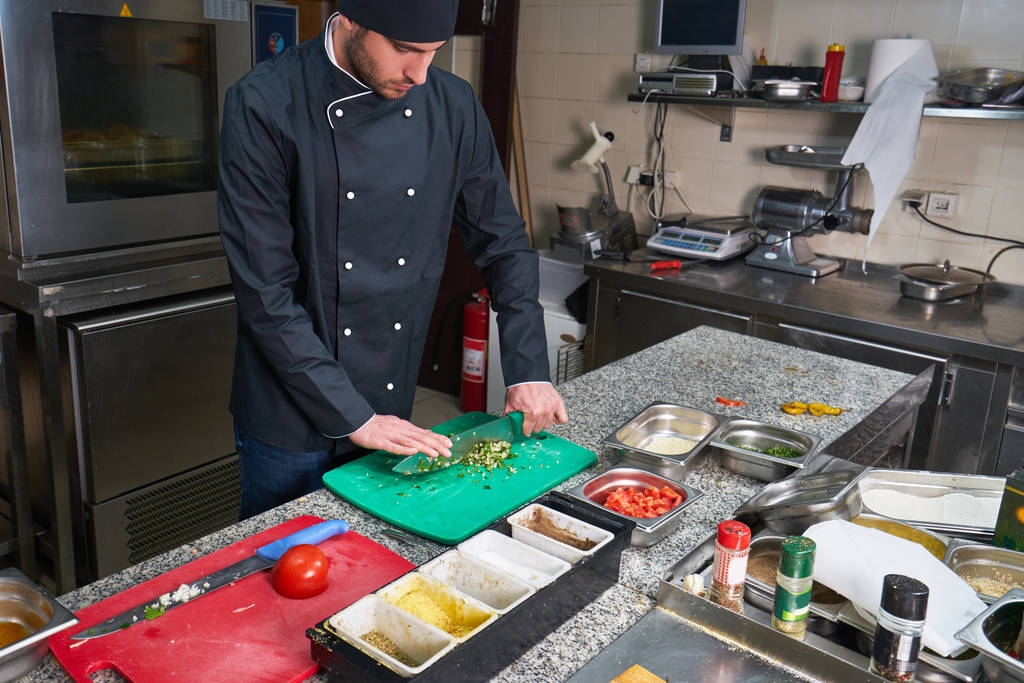
One of the most effective ways to save time in a commercial kitchen is to create a well-planned workflow. A poorly organized kitchen can lead to unnecessary movement, delays, and confusion among staff.
Take time to evaluate your kitchen layout and consider how ingredients, equipment, and staff move throughout the space. Organize workstations so that frequently used items are easy to access and employees can complete tasks without constantly walking back and forth.
Consider creating designated areas for:
- Food preparation
- Cooking and baking
- Plating and presentation
- Dishwashing and cleanup
- Ingredient storage
A streamlined kitchen layout allows your team to work more efficiently, reduces bottlenecks during busy periods, and helps food move from preparation to service faster.
Utilize Time-Saving Appliances and Equipment
Investing in the right commercial kitchen equipment can greatly improve efficiency. Modern appliances are designed to reduce preparation time, improve consistency, and allow staff to focus on other important tasks.
Consider equipment such as:
- High-speed ovens for faster cooking times.
- Food processors to quickly chop, slice, or mix ingredients.
- Commercial mixers for baking and food preparation.
- Programmable timers to prevent overcooking and improve accuracy.
- High-capacity refrigeration systems for better organization.
While quality equipment can require an upfront investment, the time saved during daily operations can provide significant long-term benefits.
Pre-Prep Ingredients Before Service
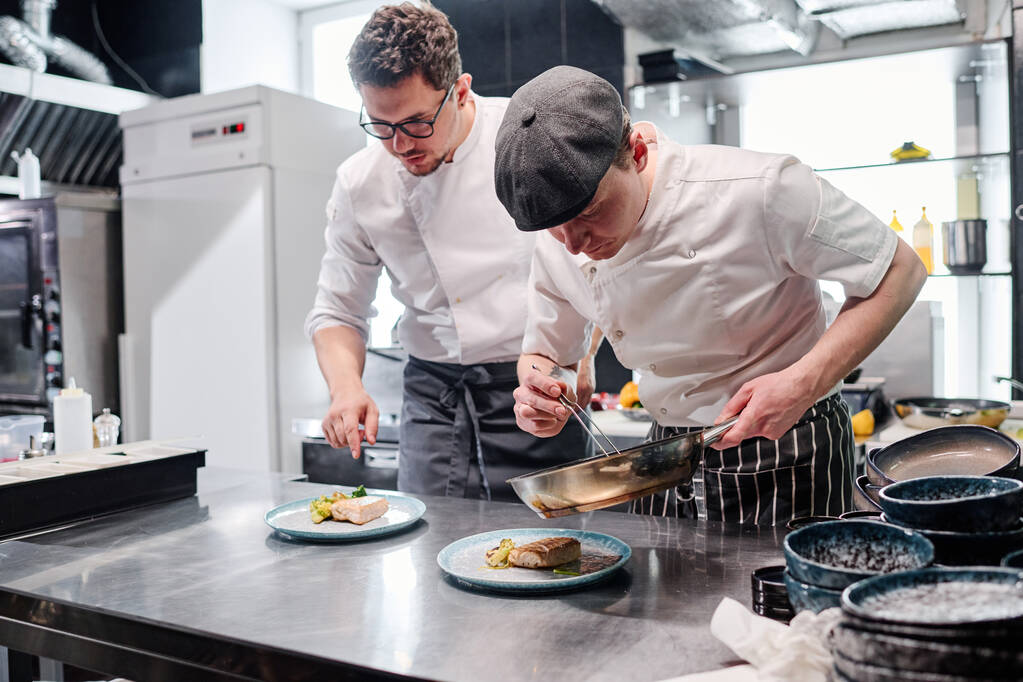
Preparation is one of the biggest time-saving strategies in a commercial kitchen. Spending time organizing ingredients before a busy service period can help prevent delays when orders start coming in.
Before each shift, consider:
- Washing and chopping vegetables.
- Portioning meats and proteins.
- Preparing sauces and marinades.
- Measuring ingredients for recipes.
- Organizing frequently used supplies.
A well-prepared kitchen allows cooks to focus on preparing meals rather than stopping repeatedly to gather ingredients.
Use Proper Food Storage and Organization
An organized storage system can save valuable time and reduce food waste. Employees should be able to quickly find what they need without searching through crowded refrigerators or storage areas.
Helpful strategies include:
- Labeling containers with names and dates.
- Following the first-in, first-out (FIFO) method.
- Keeping frequently used ingredients within easy reach.
- Organizing storage areas by category.
- Regularly checking inventory levels.
Better organization improves efficiency and helps ensure food safety standards are followed.
Optimize Your Menu Design
Your menu can have a major impact on kitchen efficiency. A complicated menu with too many unique ingredients and preparation methods can slow down service and increase waste.
Consider designing a menu that:
- Uses common ingredients across multiple dishes.
- Includes meals with similar preparation methods.
- Reduces unnecessary steps during cooking.
- Offers items that can be prepared quickly during busy times.
You may also consider offering pre-made or partially prepared components that can be assembled quickly while maintaining quality and presentation.
Train Your Staff Effectively
A well-trained team is one of the most valuable assets in a commercial kitchen. Employees who understand procedures and expectations can work faster, communicate better, and avoid mistakes.
Training should include:
- Kitchen safety procedures.
- Food handling and sanitation practices.
- Proper equipment use.
- Preparation techniques.
- Communication during busy service periods.
Cross-training employees in different areas of the kitchen can also improve flexibility and ensure operations continue smoothly when someone is unavailable.
Improve Communication Between Staff
Communication is essential in a fast-paced kitchen environment. Misunderstandings can lead to delays, incorrect orders, and wasted ingredients.
Encourage your team to:
- Clearly communicate when items are running low.
- Confirm special orders and modifications.
- Call out important information during busy periods.
- Work together during peak service times.
A kitchen where employees communicate effectively can operate faster and provide better service.
Implement Time Management Techniques
Time management is crucial in any commercial kitchen. Encourage employees to prioritize tasks and develop habits that improve efficiency.
Helpful techniques include:
- Batch cooking items that are frequently ordered.
- Completing prep work during slower periods.
- Multitasking when possible.
- Prioritizing urgent tasks.
- Creating daily preparation checklists.
Simple systems can help staff stay organized and reduce stress during busy shifts.
Maintain Equipment Regularly
Equipment breakdowns can create major delays in a commercial kitchen. Regular maintenance helps prevent unexpected problems and keeps appliances operating efficiently.
Create a routine for:
- Cleaning equipment properly.
- Checking for signs of wear.
- Scheduling professional maintenance.
- Replacing damaged parts quickly.
A well-maintained kitchen runs more smoothly and avoids costly interruptions.
Reduce Unnecessary Waste
Saving time also means reducing unnecessary work. Food waste, clutter, and inefficient processes can slow down your entire operation.
Review your kitchen procedures regularly and look for ways to improve. Small changes, such as reorganizing supplies or adjusting preparation amounts, can save both time and money.
Final Thoughts
Running a commercial kitchen is challenging, but the right strategies can make daily operations much more efficient. By creating a workflow plan, investing in time-saving equipment, preparing ingredients in advance, optimizing your menu, training your staff, improving communication, and using effective time management techniques, you can increase productivity and reduce stress.
A well-organized kitchen allows your team to work more effectively, serve customers faster, and maintain consistent quality. Start implementing these time-saving tips today and watch your commercial kitchen become more efficient than ever before.