

How to Dress Your Toddler for Daycare: A Parent’s Guide
7 min read
1251 words
Preparing your little one for toddler daycare is an exciting milestone, often filled with anticipation and a little anxiety. While you are focused on finding the right schedule and packing nutritious lunches, one essential detail deserves careful thought: what should your toddler wear to daycare?
Daycare is a busy environment that may include messy sensory play, outdoor adventures, nap time, and potty training. Choosing the right outfits helps keep your child comfortable and allows them to participate in activities throughout the day. Practical clothing can also encourage independence as toddlers learn to dress themselves and manage everyday routines.
This guide explores the key considerations when dressing your toddler for daycare, helping you prepare your little one for a day of fun, learning, and inevitable spills.
1. Prioritize Comfort and Mobility
Toddlers are constantly moving, whether they are climbing, dancing, crawling, or exploring. Their clothing should support this natural curiosity without restricting movement.
Choose Comfortable Fabrics
Look for soft, breathable fabrics that feel comfortable against your child’s skin and can withstand frequent washing.
- Cotton and cotton blends: These are popular choices because they are comfortable, practical, and easy to care for.
- Soft layering fabrics: Lightweight fleece and comfortable sweatshirts can provide extra warmth on cooler days.
- Check the details: Avoid scratchy labels, irritating seams, and embellishments that could bother your child during play.
Consider the season and your child’s individual needs when selecting fabrics. The goal is to keep your toddler comfortable throughout the day, both indoors and outside.
Choose Clothing That Fits Well
Clothing should allow your toddler to squat, bend, climb, and move freely. Garments that are too tight can restrict movement, while excessively loose clothing may become cumbersome during play.
Footwear deserves special attention. Choose well-fitting shoes with suitable traction and secure closures. Ask your daycare provider about its footwear requirements, particularly for indoor activities, outdoor play, and nap time.
2. Make Practicality a Priority
Daycare clothing should be easy to change, simple to wash, and suitable for the activities your child enjoys. Practical choices can also help children develop independence.
Dress for Changing Weather
Layering is a useful way to help your toddler stay comfortable as temperatures change throughout the day. A T-shirt, sweatshirt, and suitable outer layer can be adjusted as needed.
For outdoor play, choose a jacket or coat appropriate for the weather. During wet conditions, rainwear can be especially useful for walks and outdoor activities when it is safe to go outside.
As a mom, I have also appreciated children’s outerwear that combines practicality with a little personality. My daughter wore Kidorable raincoats on multiple occasions, and we also had the brand’s rain boots and umbrella. I was impressed with the quality of the items we had, although I found the sizing ran larger. You can read more about my personal experience with Kidorable kids rain gear, including my thoughts on the raincoats, boots, umbrella, and sizing.
Whatever brand you choose, check the current sizing information and care instructions before buying. Outerwear should fit comfortably and allow your toddler to move freely.
Label Your Child’s Belongings
Daycare clothing can easily get mixed up with other children’s belongings. Label coats, sweaters, hats, mittens, shoes, and other items your child regularly takes to daycare.
Use labels suitable for the material and follow the manufacturer’s instructions. Check labels periodically to make sure they remain readable after repeated washing.
Choose Easy-to-Manage Closures
Clothing that is easy to put on and take off can make daily routines simpler for both caregivers and toddlers.
- Elastic waistbands: These are particularly helpful during potty training because children can often pull their pants up and down more easily.
- Simple zippers and snaps: These can make changing clothes quicker, although younger toddlers may still need assistance.
- Comfortable everyday outfits: Choose clothes that your child can gradually learn to manage with less help.
Save complicated outfits for occasions when they are more practical. At daycare, comfort and ease of use usually matter more than dressing up.
Look for Washable, Durable Clothing
Paint, food, mud, and other everyday messes are part of toddler life. Choose clothing that can be washed according to its care instructions without requiring special treatment.
Keep delicate outfits and clothing that needs special cleaning for other occasions. Having a few dependable everyday outfits makes it easier to get your child ready without worrying about every little spill.
3. Keep Clothing Safety in Mind
When choosing daycare outfits, consider how clothing will work during active play. Some garments and accessories can create avoidable hazards.
Drawstrings: Avoid clothing with drawstrings around the neck or hood, particularly for young children. These can become caught on playground equipment.
Small or loose decorations: Check for loose buttons, beads, and other small pieces that could detach and become choking hazards.
Jewellery: Leave necklaces, bracelets, and other unnecessary jewellery at home unless there is a specific reason for your child to wear an item.
Hoods and loose fabric: Make sure clothing does not obstruct your toddler’s vision or create a snagging hazard during play.
Footwear: Choose shoes that fit properly and are appropriate for the daycare’s activities. Oversized shoes and loose footwear can make running and climbing more difficult.
Bright colours can also make children easier to distinguish during group activities, although visibility depends on the surroundings and weather conditions. Follow your daycare provider’s guidance about appropriate outdoor clothing.
4. Pack a Backup Bag
Even the best-planned outfit may not last the entire day. Spilled drinks, messy art projects, wet outdoor clothing, and toileting accidents can all mean your toddler needs a change.
Pack at least one or two complete changes of clothes, depending on your daycare’s recommendations and your child’s needs.
What to Include
- A spare top and bottoms: Choose comfortable, season-appropriate clothing.
- Underwear or diapers: Pack enough for the day, plus a few extras when appropriate.
- Socks: Keep an extra pair available in case your child’s socks become wet or dirty.
- Seasonal items: Include suitable spare layers if temperatures are unpredictable.
- A bag for wet or soiled clothing: A reusable waterproof bag can help keep the rest of the belongings clean.
Check the backup bag regularly and replace anything that has been used. As the seasons change, update the spare clothing so your toddler is prepared for the current weather.
5. Make Getting Dressed Part of Learning
Toddlers are beginning to develop independence, and getting dressed offers everyday opportunities to practise new skills.
Whenever possible, give your child simple choices, such as deciding between two suitable shirts or choosing which sweater to wear. This allows them to express preferences while keeping the options practical.
Encourage your toddler to practise pulling up elastic-waist pants, putting on socks, or attempting to fasten easy closures. These skills take time, and children will need different levels of support as they learn.
Keep mornings manageable by laying out clothes the night before. You can also check the weather and prepare outdoor items in advance, reducing the pressure when it is time to leave for daycare.
Conclusion: Help Your Toddler Feel Ready for Daycare
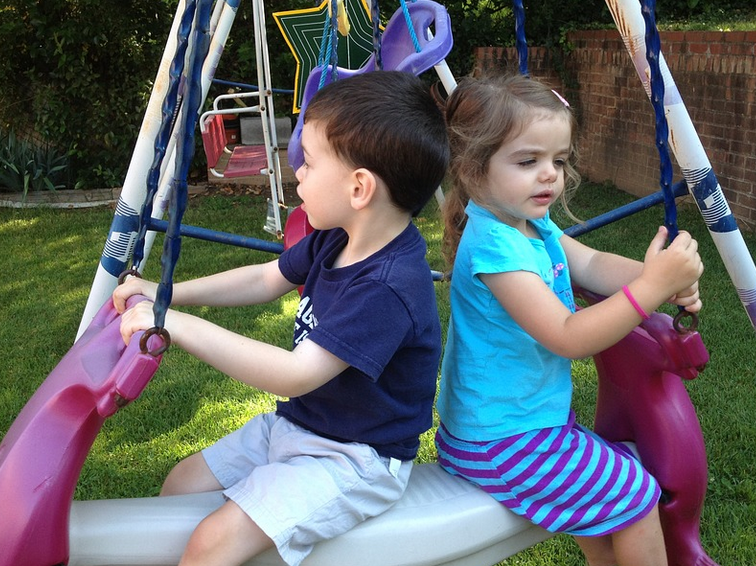
Dressing your toddler for daycare is about more than choosing a cute outfit. Comfortable fabrics, a good fit, practical closures, suitable outerwear, and a well-stocked backup bag can help your child feel prepared for a busy day.
By planning for the weather and choosing clothing that supports movement and independence, you can make mornings easier for your family and help your toddler participate comfortably in everyday daycare activities.
With a little preparation, your little explorer can head off ready to play, learn, discover, and grow.







Also be sure to send an extra change of clothing.